









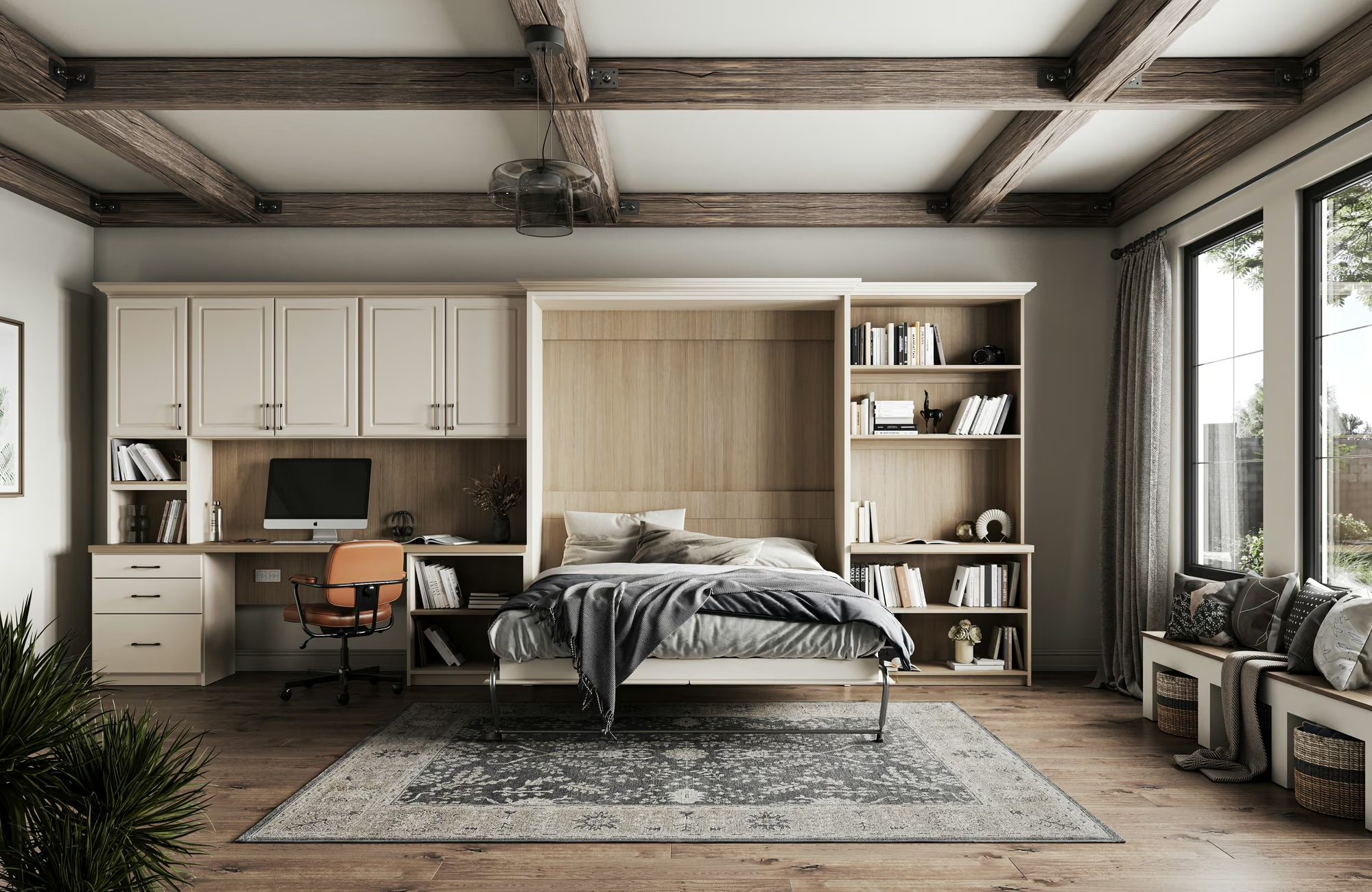
Here’s the math on the average guest room: guests sleep in it maybe three weeks a year. The other forty-nine weeks, it’s a very quiet museum. A bed nobody’s in, a dresser holding two spare blankets, and a slowly growing colony of things that “just go in there for now.” Meanwhile, you’re taking video calls at the kitchen table while the dishwasher provides commentary.
Or you went the other way: the spare room became the office, and now every houseguest gets the air mattress, the apology, and the 3 a.m. sound of it deflating under your mother-in-law.
You don’t have to pick. A Murphy bed lets one room hold both jobs at full strength: a real office fifty weeks a year, a real bed with a real mattress the other two, and neither one pretending.
What Is a Murphy Bed and How Does It Work?
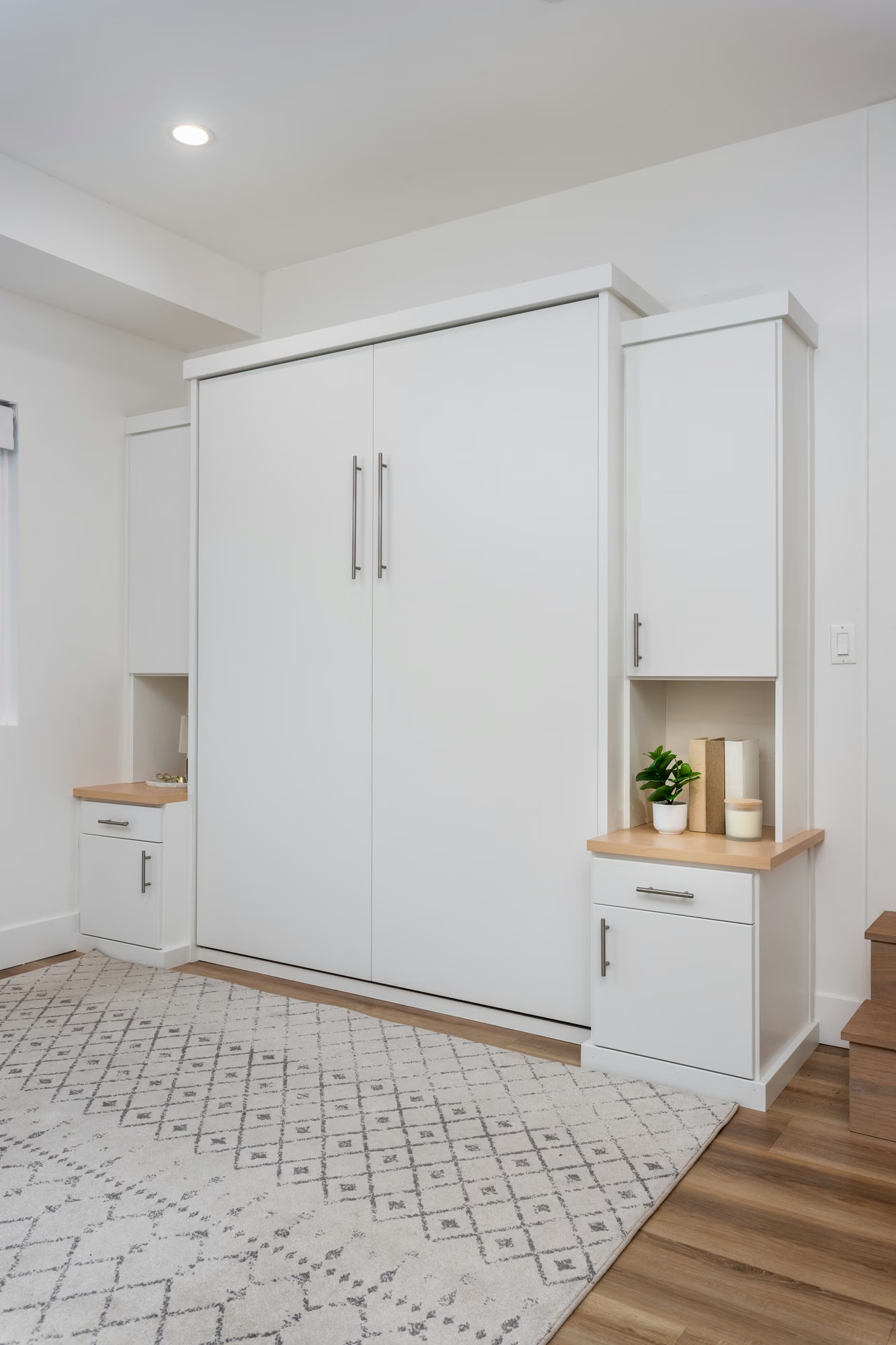
A Murphy bed (also called a wall bed) is a full mattress on a spring- or piston-assisted frame that folds vertically into a cabinet against the wall. Modern lift mechanisms are counterbalanced, so raising or lowering the bed is a one-hand, few-seconds job, and the mattress stays made, straps holding the bedding in place while it’s upright. Fun history: William Lawrence Murphy patented the design around 1912 so he could entertain an opera singer in his one-room San Francisco apartment without the scandal of her seeing a bed. The mechanism has improved. The motivation, hiding the bed so the room can be something else, is unchanged.
Do you have to remove the bedding every time you close a Murphy bed?
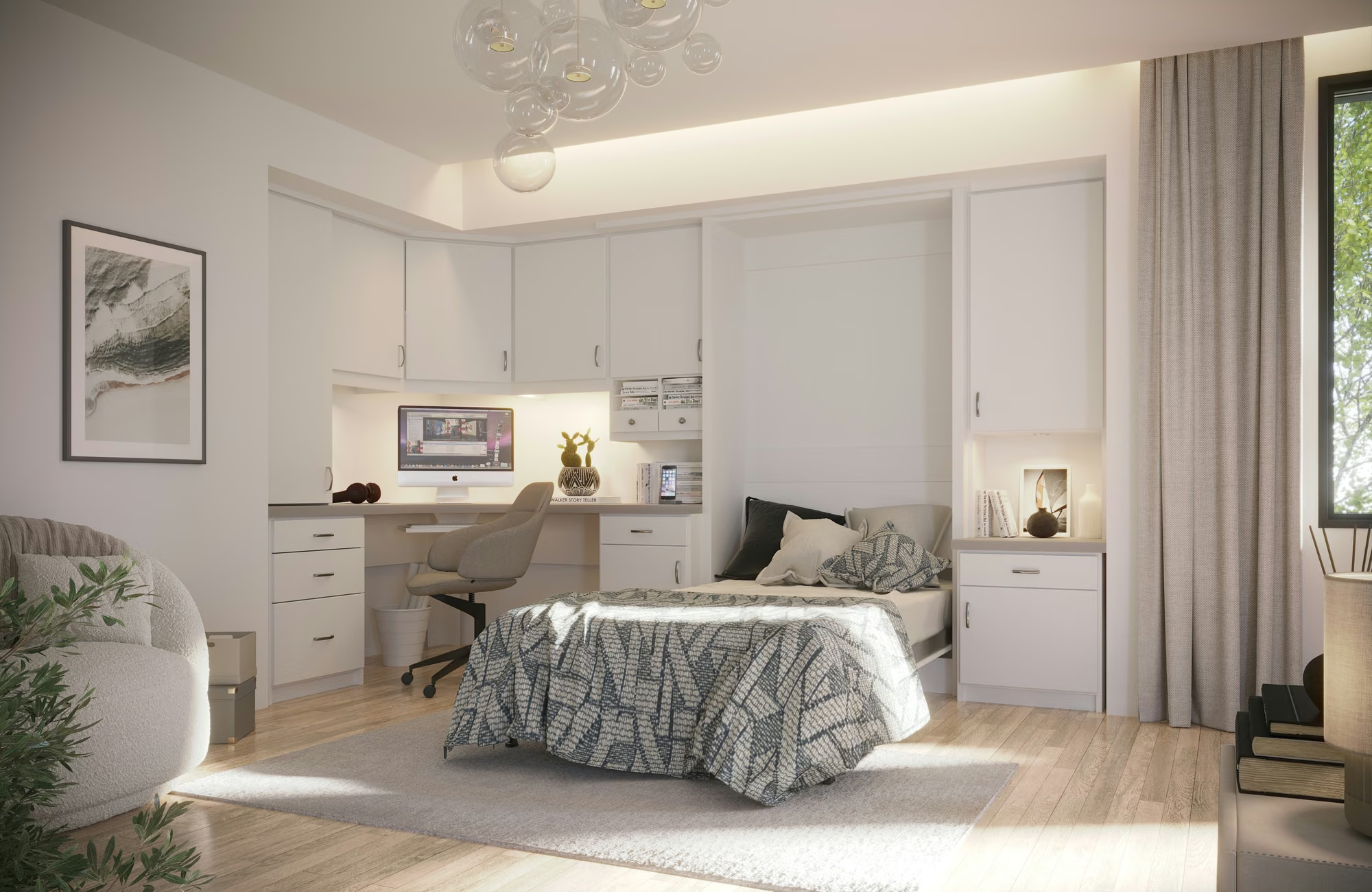
No. Retention straps hold the sheets, blanket, and a low-profile pillow in place while the bed is vertical, so closing it takes seconds and opening it produces an already-made bed. Bulky decorative pillows come off; everything your guest actually sleeps under stays put. It’s the rare piece of furniture that makes the bed for you.
The Office Half: Design for the Other Fifty Weeks
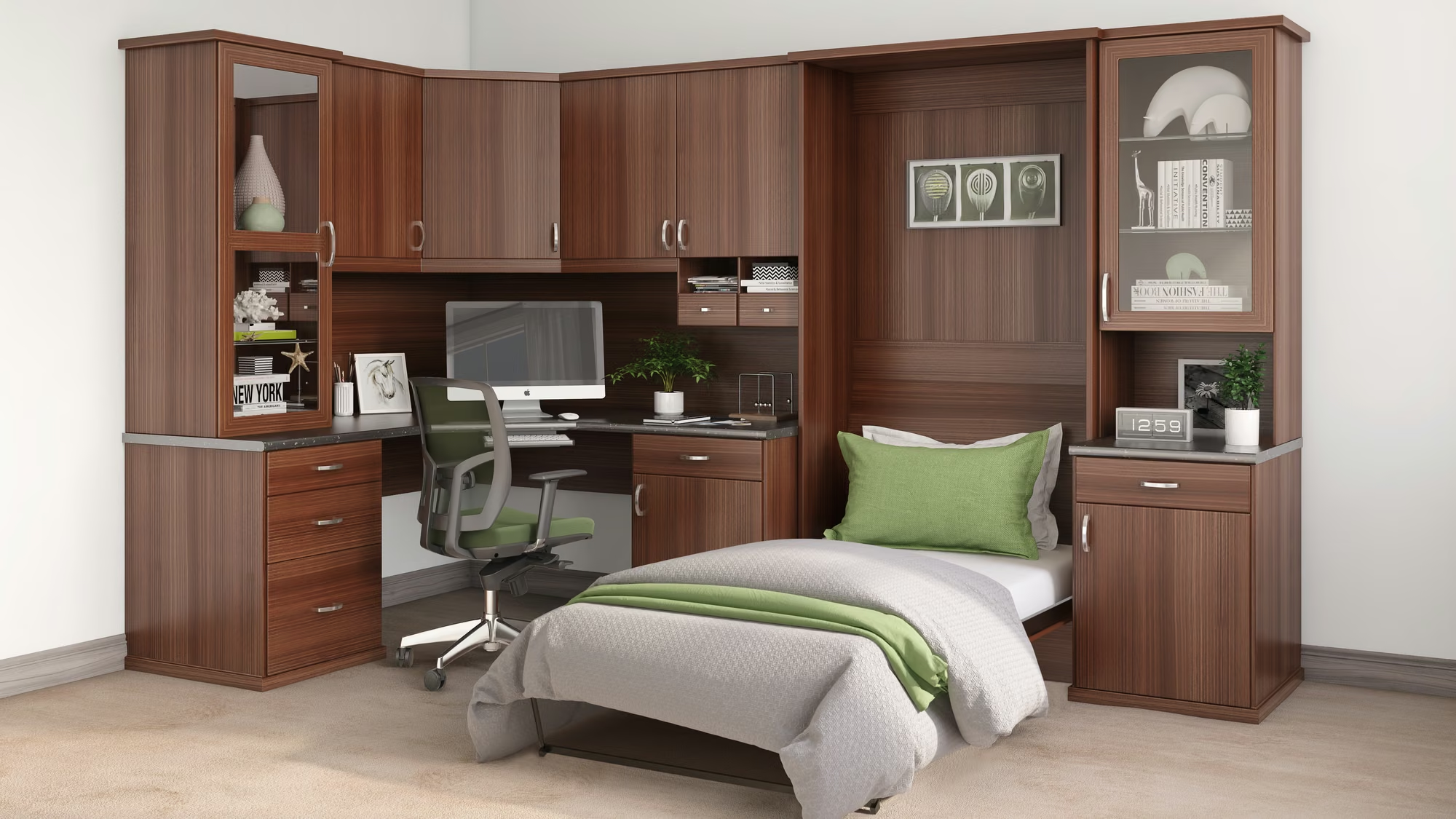
The mistake people make is designing the room as a guest room that tolerates a desk. Flip it: this is an office that can produce a bed. Remote work isn’t a phase, roughly a third of workers who can work from home do it full time, which means the desk earns its keep about seventeen times more often than the mattress does.
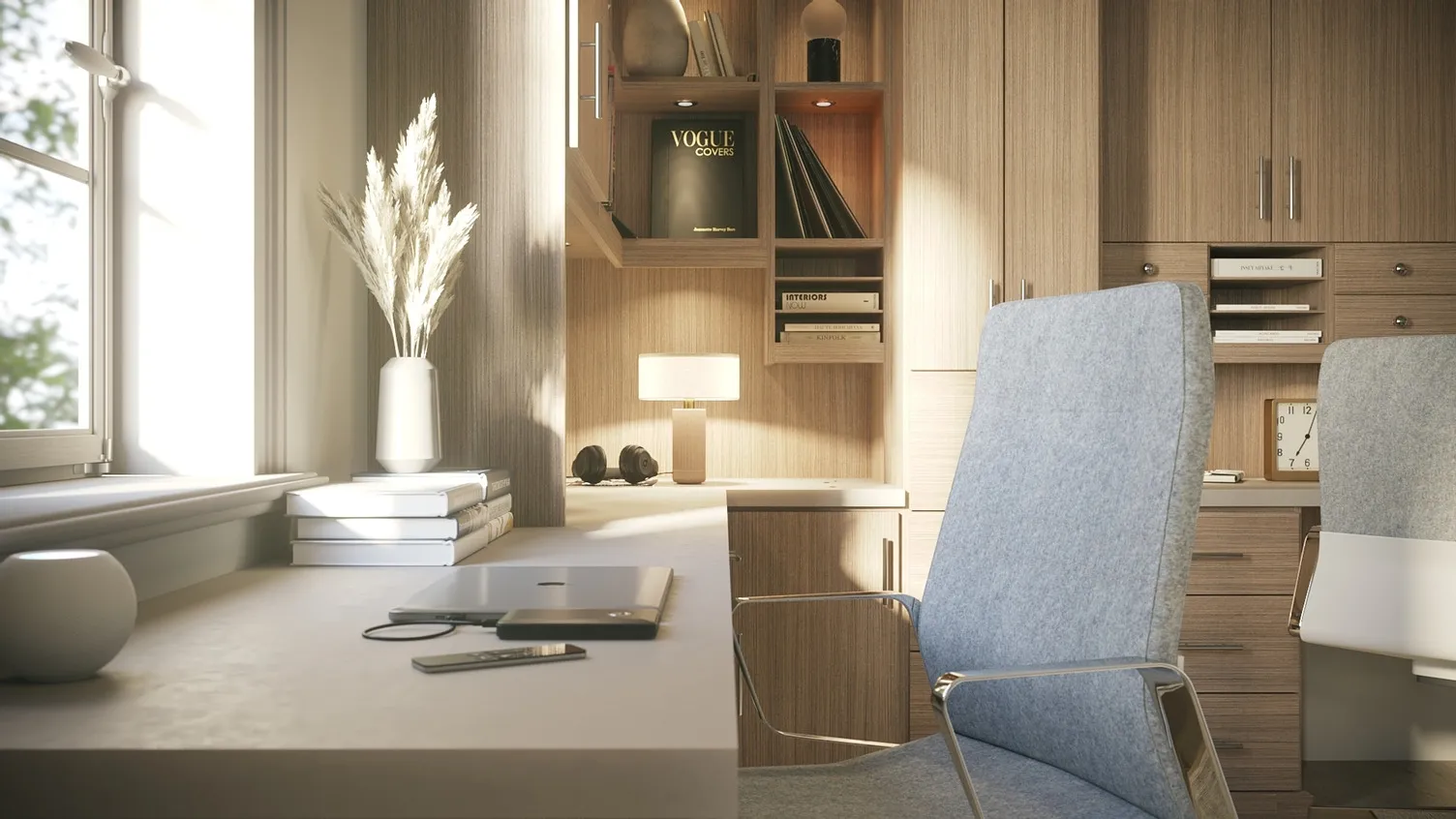
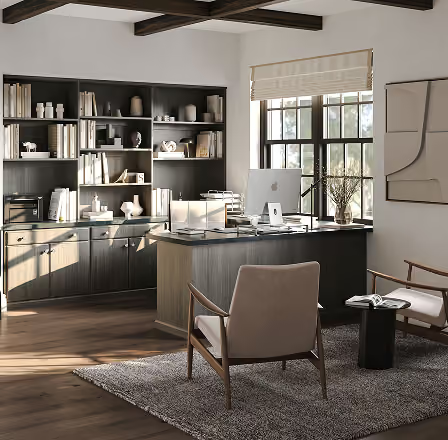
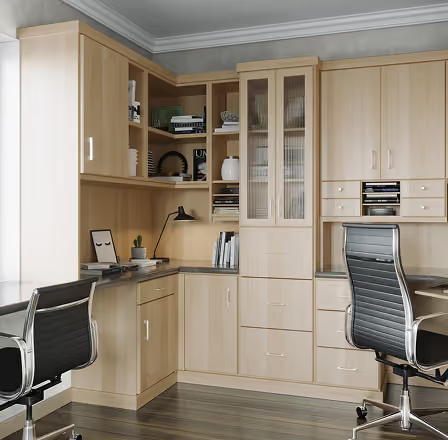
- A side desk that doesn’t move. Build the desk into the cabinetry beside the bed, not in its landing zone, so your monitors, notes, and the mug you’re definitely going to wash never have to relocate for a guest.
- A fold-down desk on the bed face, if the room is tight. Some wall-bed designs put a drop-down work surface on the closed cabinet. The clever part: the surface stays level as the bed opens, so the guest-readiness routine is closing your laptop, not striking a set.
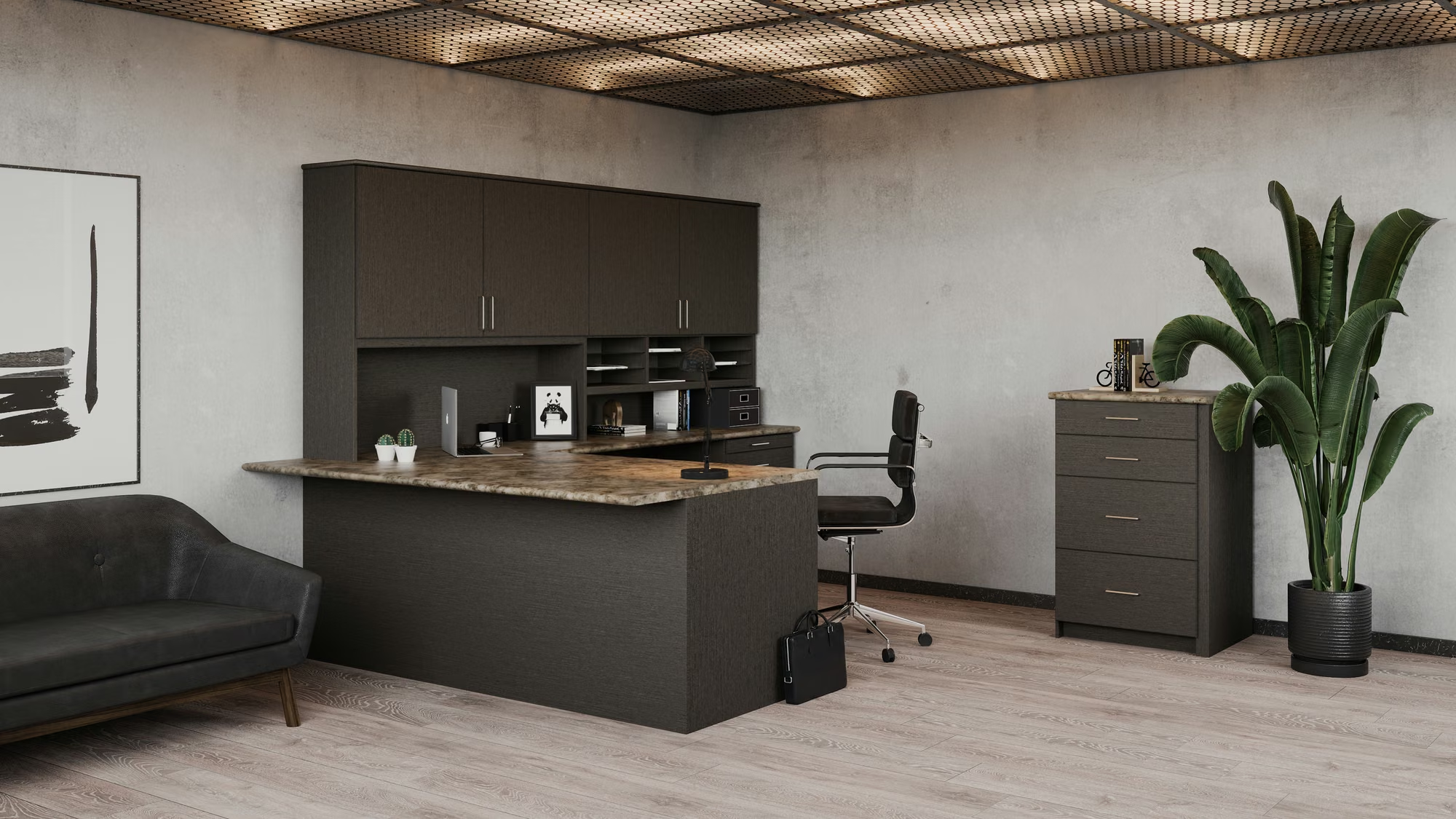
- Closed storage for the office guts. Files, printer, cables, and the shredder live behind doors in the flanking cabinets. Your guest should not fall asleep facing your tax documents. Nobody rests well near a printer.
- Real lighting on both schedules. Task lighting at the desk for workdays, warm sconces or LED strips in the cabinet surround for guest nights. One room, two moods, zero floor lamps to trip over at 2 a.m.
The Guest Half: Make the Two Weeks Feel Like a Hotel
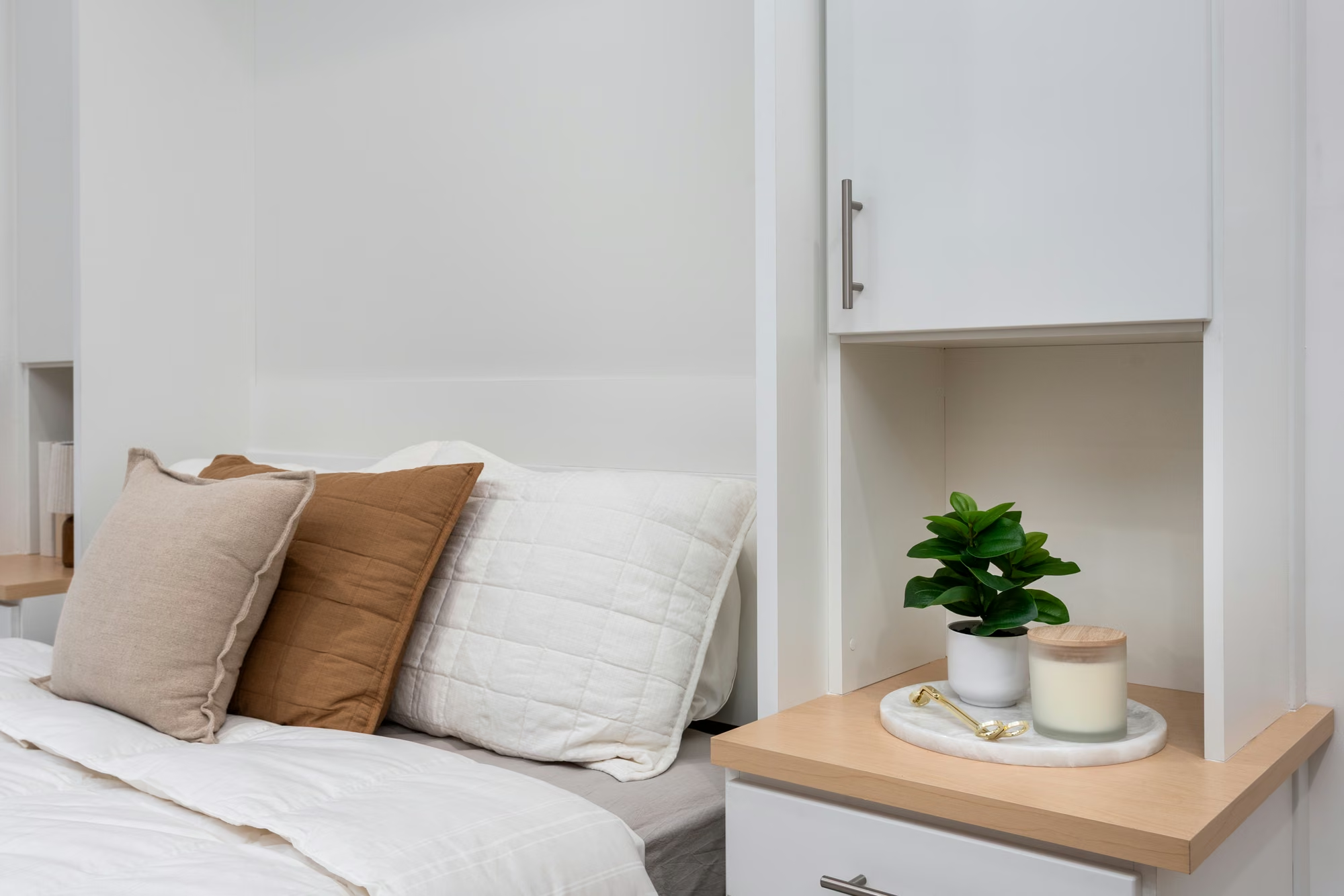
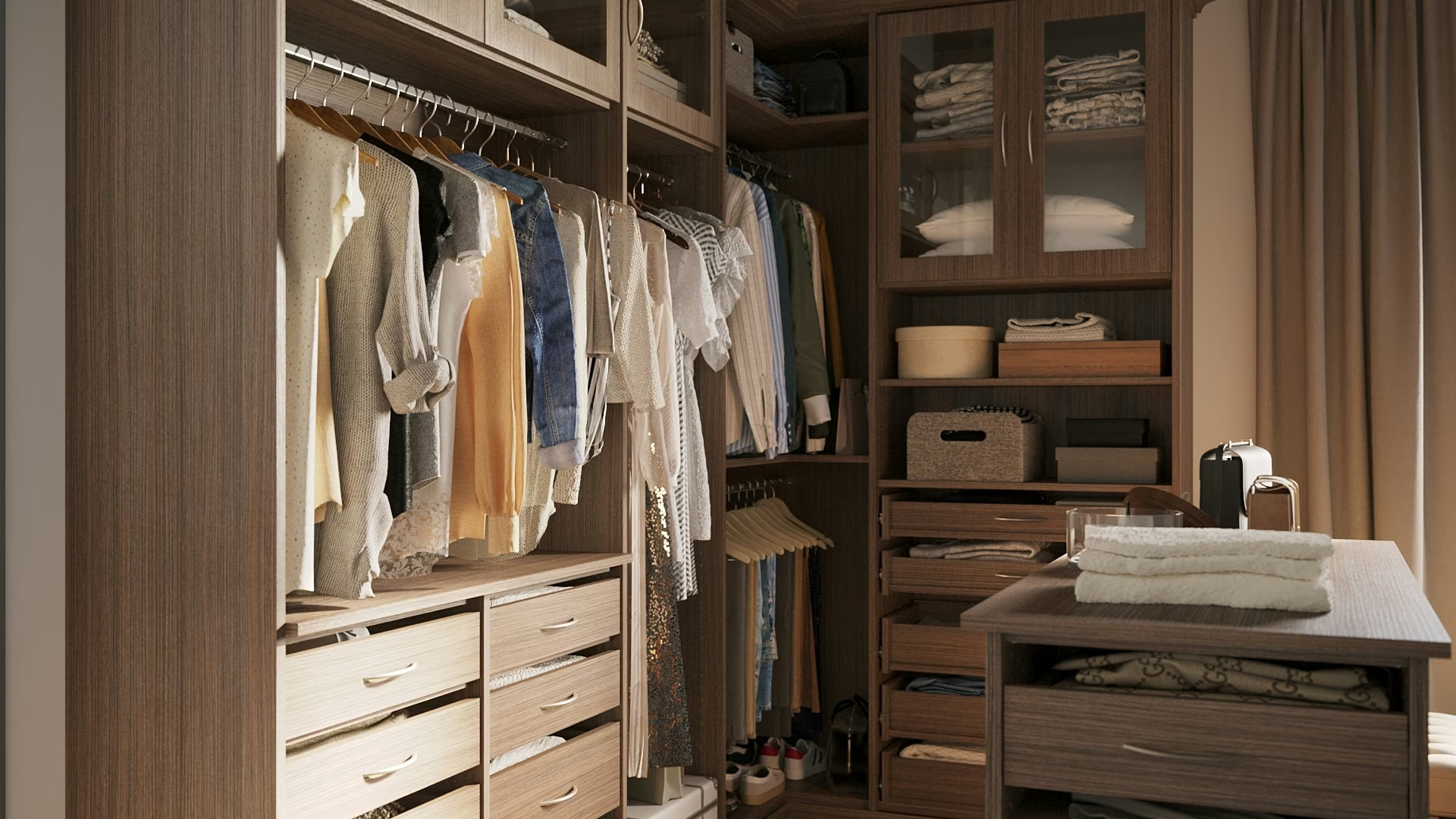
- Leave one empty drawer and 18 inches of hanging rod. A guest who can unpack is a guest, not a refugee living out of a duffel bag in your office. It costs you one drawer. It buys you a reputation.
- Nightstand duty, built in. A small shelf or pull-out beside the bed with an outlet for phone charging. Guests judge exactly two things: the mattress and where the phone sleeps.
- A real mattress, full stop. Murphy beds take standard mattresses, usually 10 to 12 inches depending on the mechanism. This is the entire argument against the air mattress and its slow, personal deflation.
- Bedding storage in the surround. Extra pillows and the good blanket live in the cabinets flanking the bed, so guest-room setup is one motion, not a hall-closet expedition.
How Much Room Does a Murphy Bed Need?
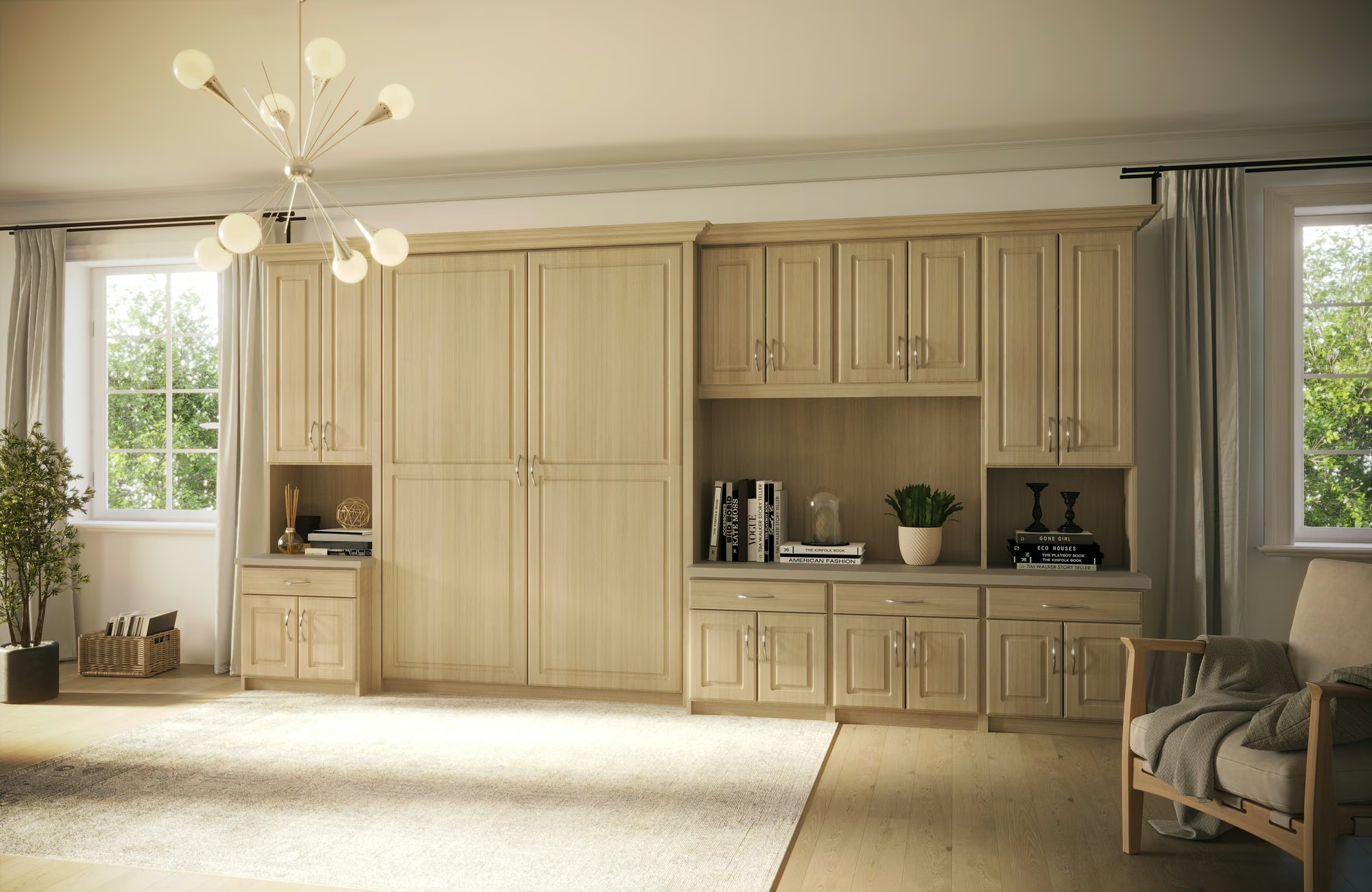
Closed, a Murphy bed cabinet typically projects 16 to 20 inches from the wall. Open, a queen needs a bit over 7 feet of clearance into the room, so measure floor space with the bed down before you commit to a size, and keep the desk, chair, and rug out of that footprint. In most 10-by-10 and 10-by-12 spare rooms, a full or queen fits with the office half intact, which is exactly the point.
Wall Bed Configurations: Desk, Sofa, Storage, and the Rest of the Lineup
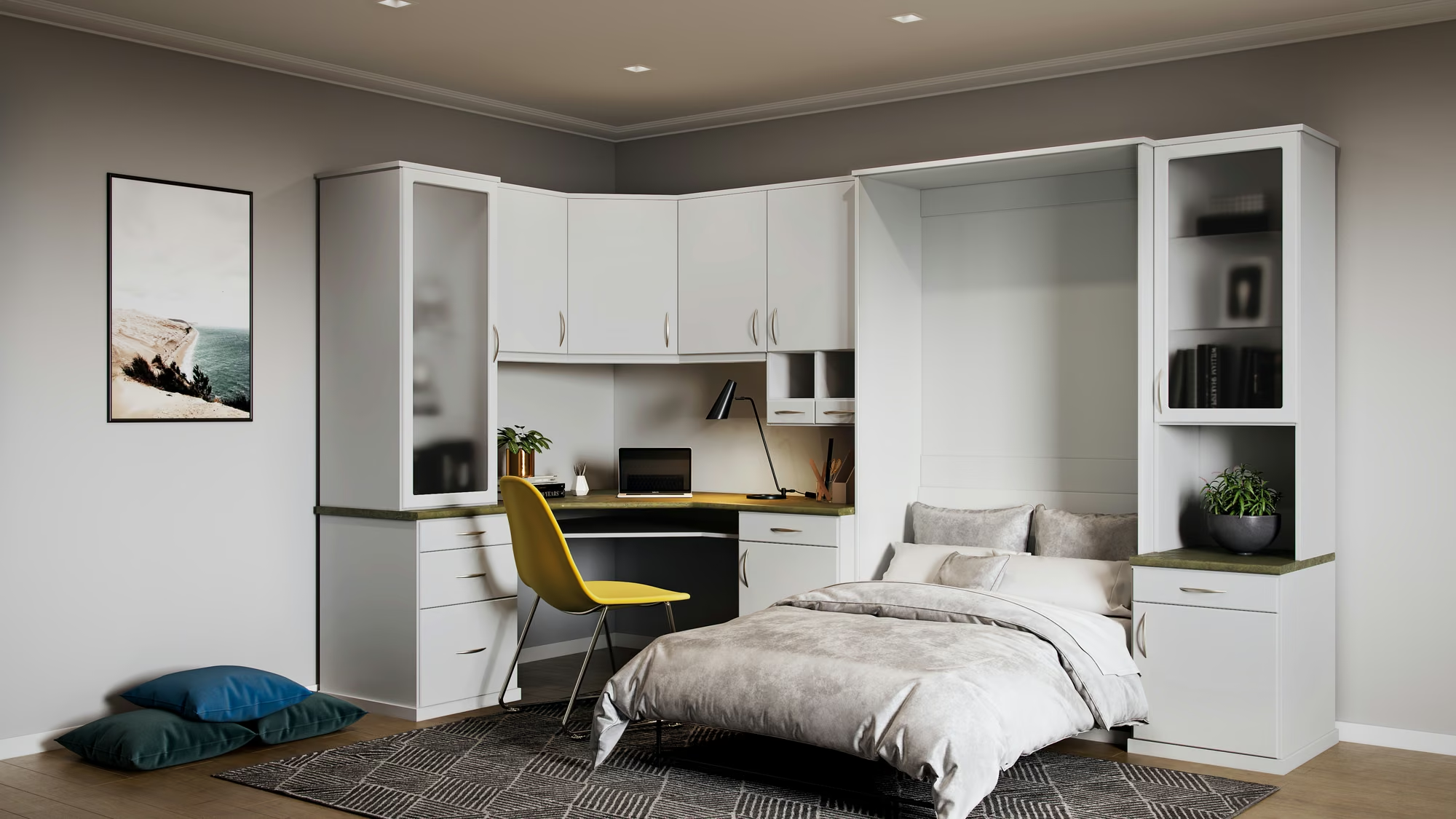
“Murphy bed” covers a whole family of wall bed configurations, and picking the right one is mostly about what the room does on a Tuesday:
- Murphy bed with desk. The workhorse for the office/guest room. Side-desk versions keep a permanent workstation beside the cabinet; fold-down versions put the desk on the bed face for the tightest rooms.
- Murphy bed with sofa. A built-in bench or sofa in front of the closed cabinet, engineered so the bed lowers over it. The room reads as a den, the sofa never moves, and guests get a headboard-side reading light instead of an apology.
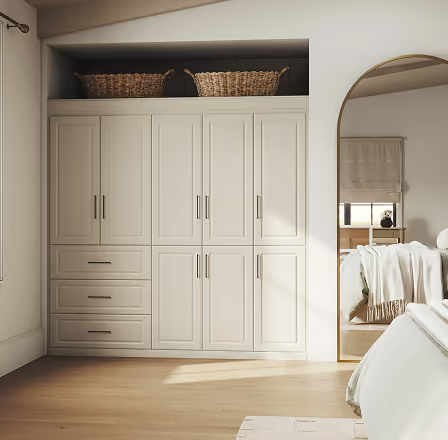
- Murphy bed with side cabinets. Wardrobe towers flanking the bed for guest hanging space, bedding storage, and doors that hide the office’s less photogenic equipment.
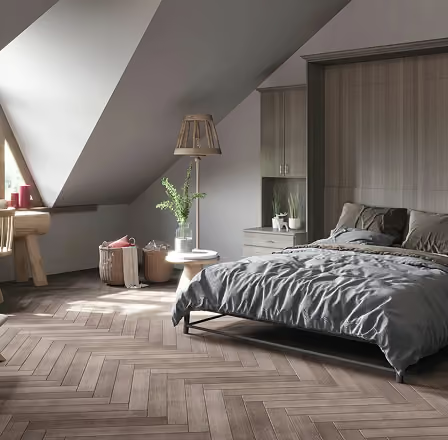
- Horizontal wall beds. The bed folds sideways instead of tall, for rooms with low ceilings, sloped attic walls, or a window exactly where a vertical cabinet wants to be. Twin and full sizes shine here, which makes them the kids’ room favorite.
Queen, Full, or Twin: Sizing a Murphy Bed to the Room
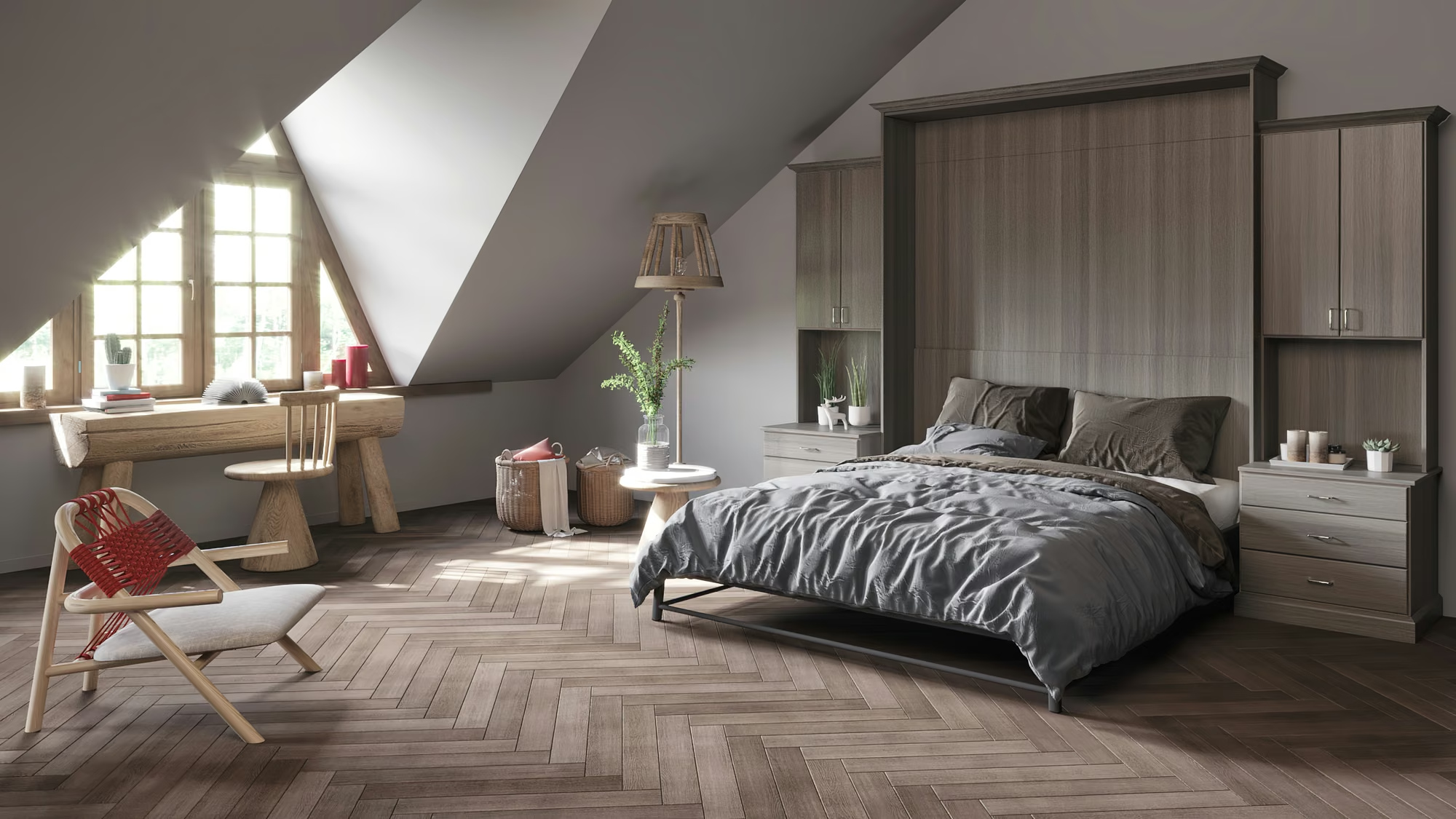
A queen Murphy bed is the default for adult guests, and it needs the most floor when open (roughly 7 feet of projection), so it belongs in rooms with 10 feet or more to give. A full saves about 5 inches of width and a chunk of projection, which in a small office is the difference between the desk chair staying and the desk chair commuting to the hallway for the weekend. Twins work for kids’ rooms and double-duty dens. The honest rule: size the bed to the guests you actually host, not the guests you’d host in the version of your life where the guest room is also somehow bigger.
Whatever the size, insist on a real mattress and a counterbalanced mechanism rated for daily use. A wall bed that’s hard to open becomes a wall cabinet with a secret, and the secret is a bed nobody uses.
Quick Answer: Is a Murphy bed worth it for a home office guest room?
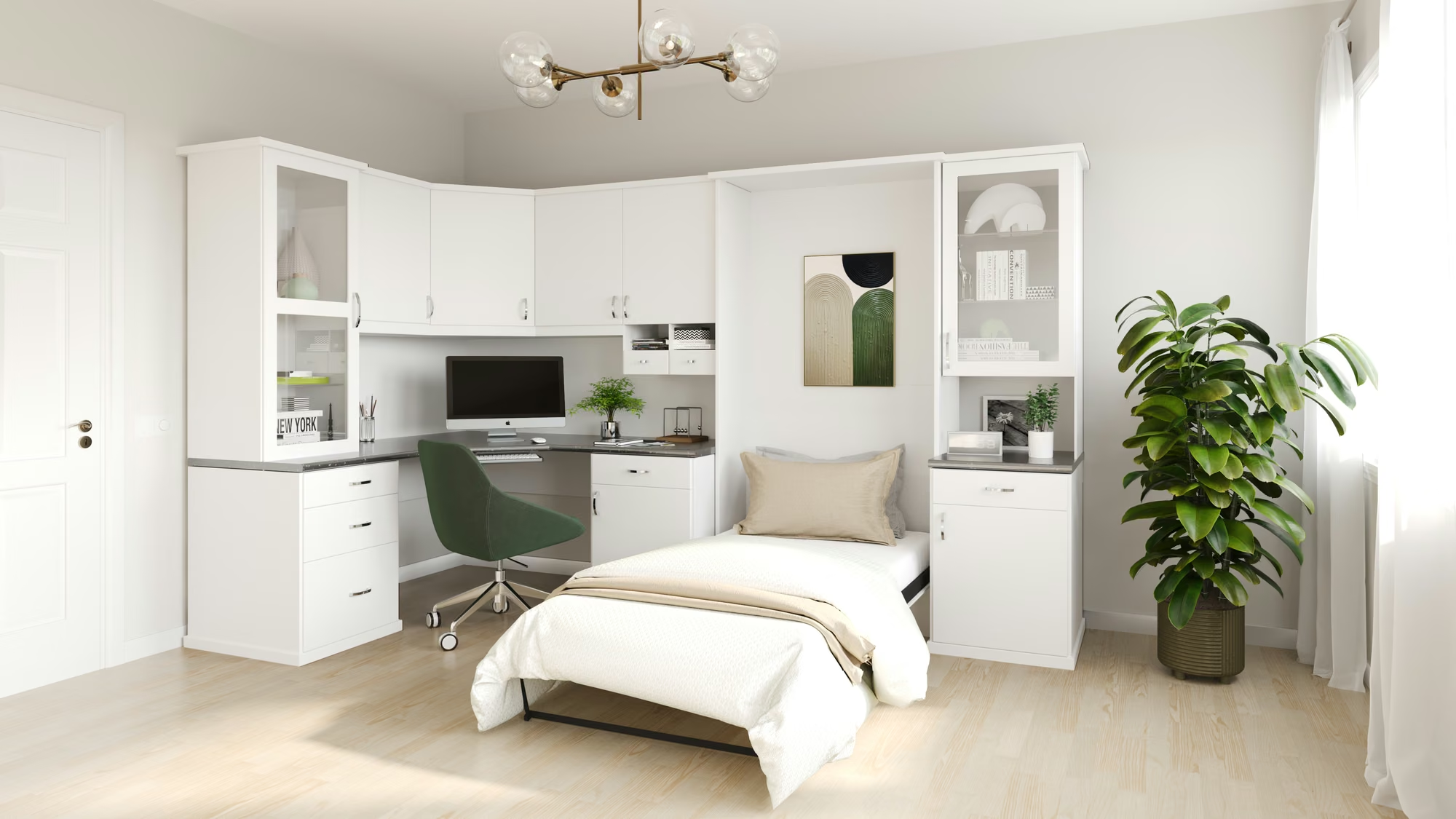
If a room needs to be an office most of the year and a guest room a few weeks of it, a Murphy bed is usually the single highest-value change you can make, because it returns 30-plus square feet of floor to daily use without giving up a real mattress. A sofa bed trades away both comfort and floor space; an air mattress trades away your dignity and your guest’s spine.
Closet World designs custom Murphy bed systems with the desk, wardrobe, lighting, and storage built as one piece, manufactured in California and installed by our team, the way we’ve done it since 1991. If the same room also needs to swallow a workday’s worth of clutter, our home office built-in storage guide covers the other half of the equation.
Book your FREE in-home design consultation and let’s design the room that does both jobs. Your mother-in-law gets a real bed. The air mattress gets a dignified retirement. Everyone sleeps better, including you.