







Your camera turns on in four minutes. Behind you: a bookcase that’s 40 percent books, 60 percent “other items,” a printer on a chair that used to be for guests, and a cable situation under the desk that looks like a science fair exploded. You do the pre-call sweep, shoving two piles just out of frame, where they will live now, because out of frame is the new filing system.
Here’s the thing: your office isn’t messy because you’re disorganized. It’s messy because it’s furnished instead of built. A desk from one store, a file cabinet from another, a bookcase that almost fits the wall, and every gap between them collecting chargers, paper, and the stapler you’ve bought three times.
And if you work from home full time, you have company. About a third of workers who can work remotely still do, every day, which in California and Nevada means the spare-room office stopped being an experiment years ago. It’s infrastructure. Time to organize it like infrastructure.
Built-in storage fixes the problem at the root: when the office is one designed system, everything has a home before it has a chance to become a pile.
How Do You Organize a Home Office?
Organize a home office in three zones based on how often you touch things: an active zone within arm’s reach of your chair, a reference zone one step away, and an archive zone up high or down low. Most cluttered offices aren’t overstuffed; they’re three zones trying to live on one desk.
- Active zone: laptop, notebook, one pen that works. (You own thirty pens. One works. You know which one.) The desk surface is for working, not storing.
- Reference zone: current project files, supplies, the printer, all within a swivel of the chair but off the desk.
- Archive zone: tax records, manuals, and the cables you’re keeping “just in case” (a category that has never once produced the cable you needed), in labeled closed storage above or below the working zones.
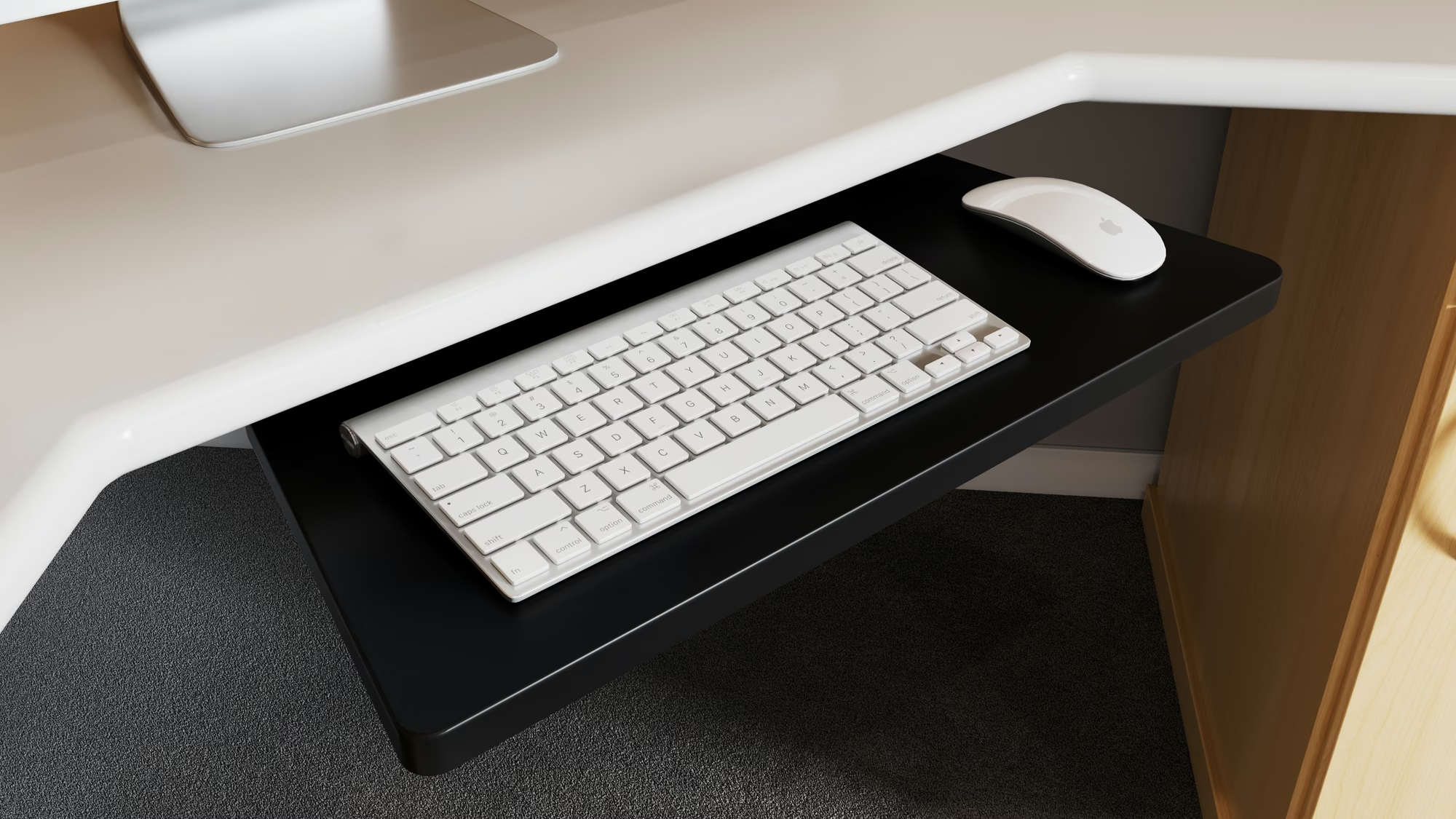
The Two Fixes That Do Most of the Work
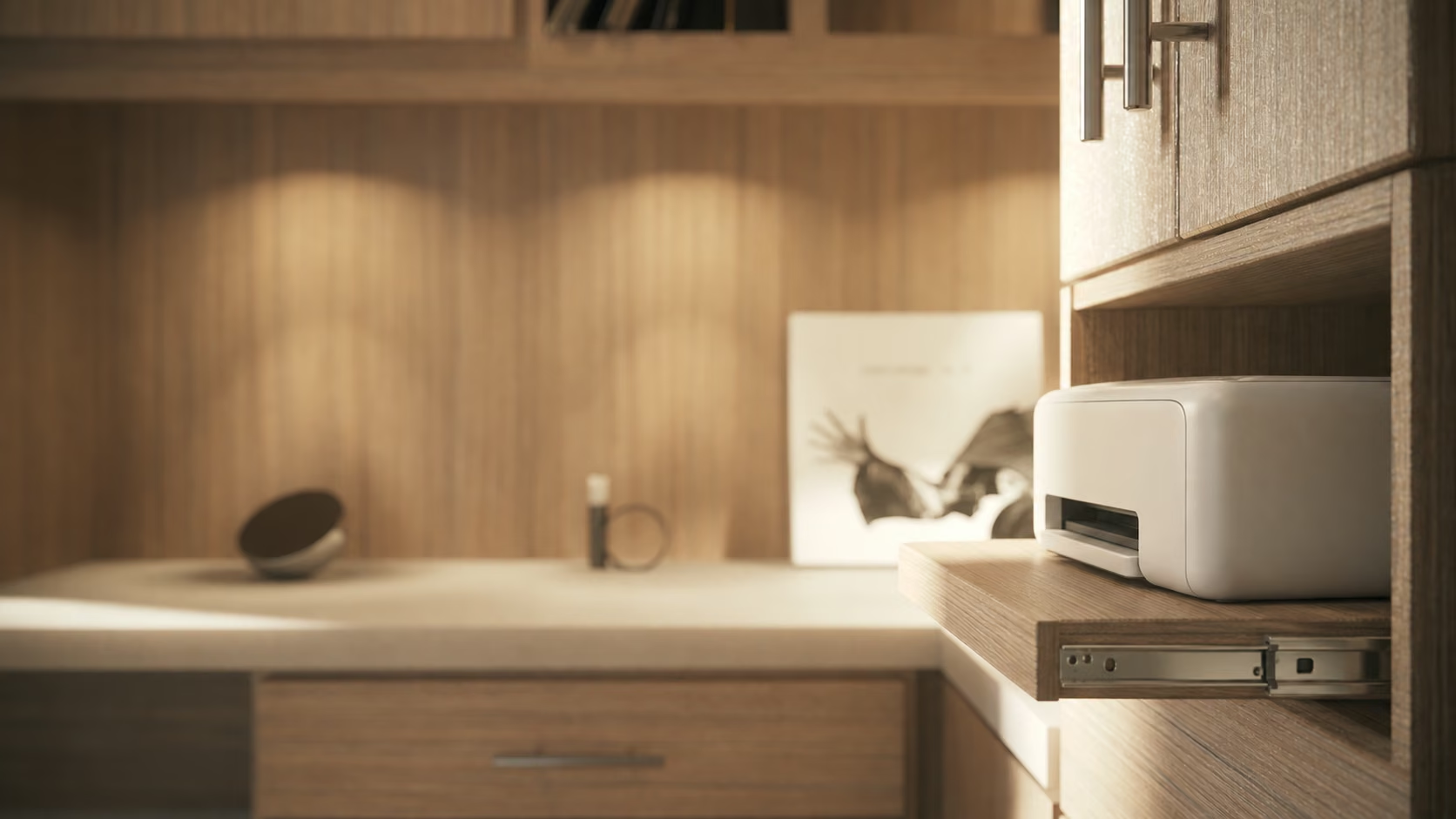
What is the best way to hide printer and cable clutter in a home office?
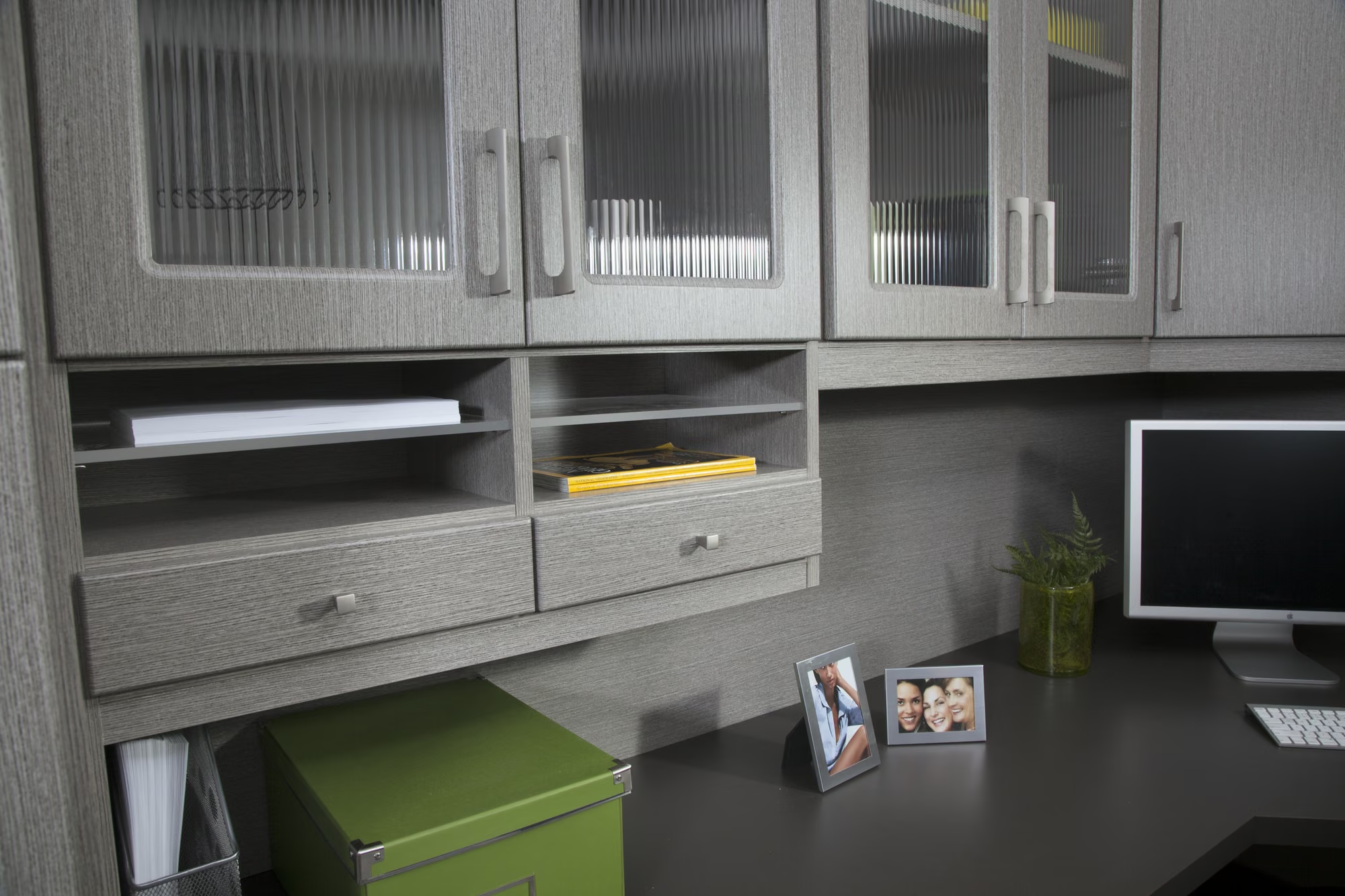
Put the printer on a pull-out shelf inside a closed cabinet with a grommet routing the cable to the outlet. Dedicate one drawer with a power strip inside as a charging station. Those two moves erase most of the visible chaos in a typical home office, because cords and peripherals are most of what makes a desk look like it’s losing. The printer still works fine from inside a cabinet. It is the least beautiful thing you own. Stop displaying it.
The charging drawer deserves its own paragraph of appreciation: phone, earbuds, tablet, all charging out of sight, no cords draped across the desk like party streamers nobody took down. Close the drawer and the office looks finished. Open it and everything’s at 100 percent. It’s the rare storage trick that feels like a magic act.
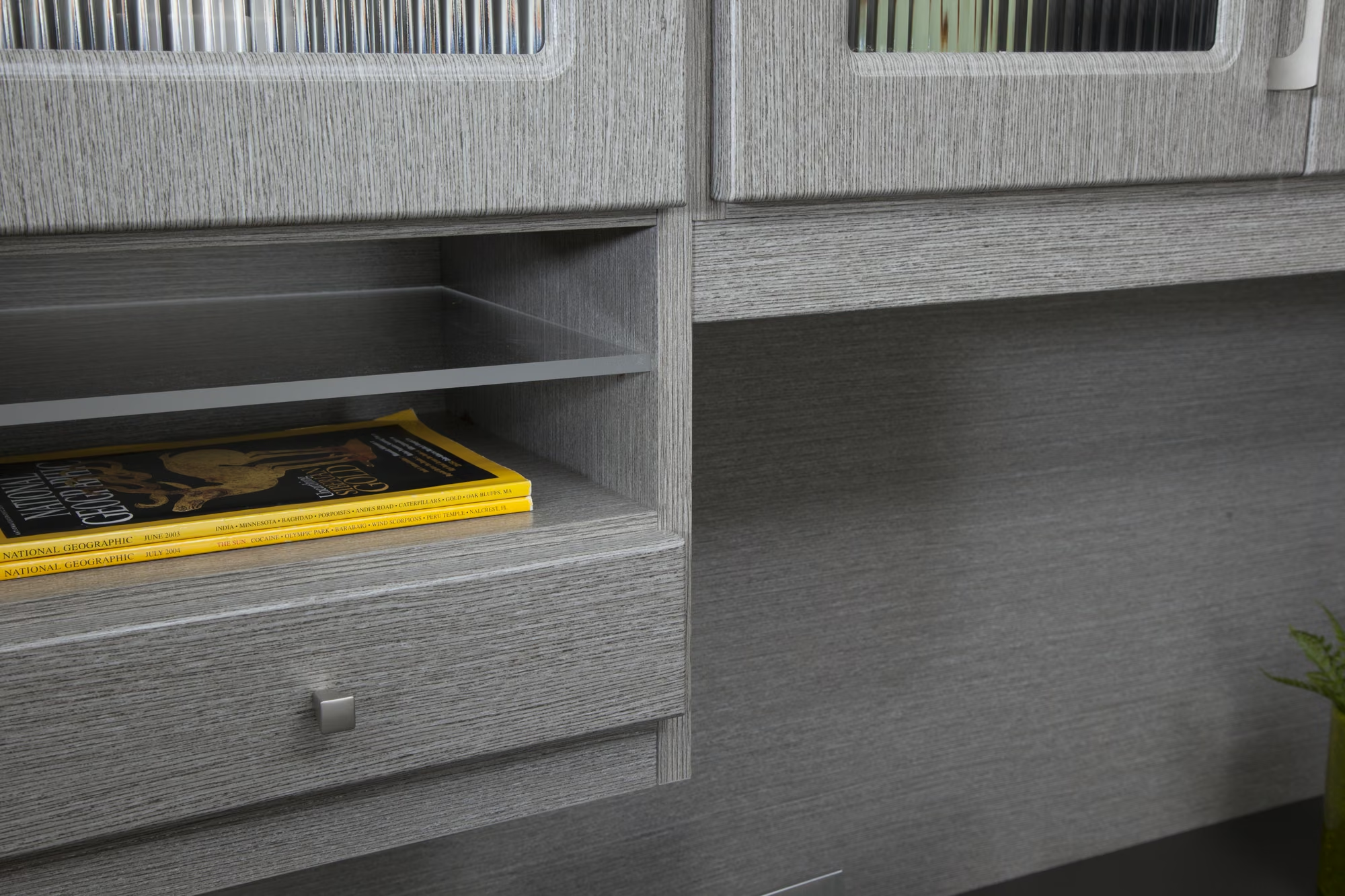
Built-In vs. Freestanding: The Honest Tradeoffs
| Factor | Freestanding furniture | Built-in storage |
|---|---|---|
| Fit | Almost fits, which means gaps, and gaps are where clutter homesteads. | Designed to the wall, corner to corner and floor to ceiling. No gaps, no habitat. |
| Capacity | Limited to standard sizes; the two feet of air above every bookcase stores nothing, forever. | Uses the full wall height, so the same footprint holds two to three times more. |
| The room on camera | Reads as “spare room with a desk in it,” because that’s what it is. | Reads as an office, which does quiet favors for your credibility at 9 a.m. |
| Flexibility | Easy to rearrange, easy to outgrow, easy to end up on the curb. | Configured to your work now, with adjustable shelving for whatever the job becomes. |
Closed Lowers, Open Uppers
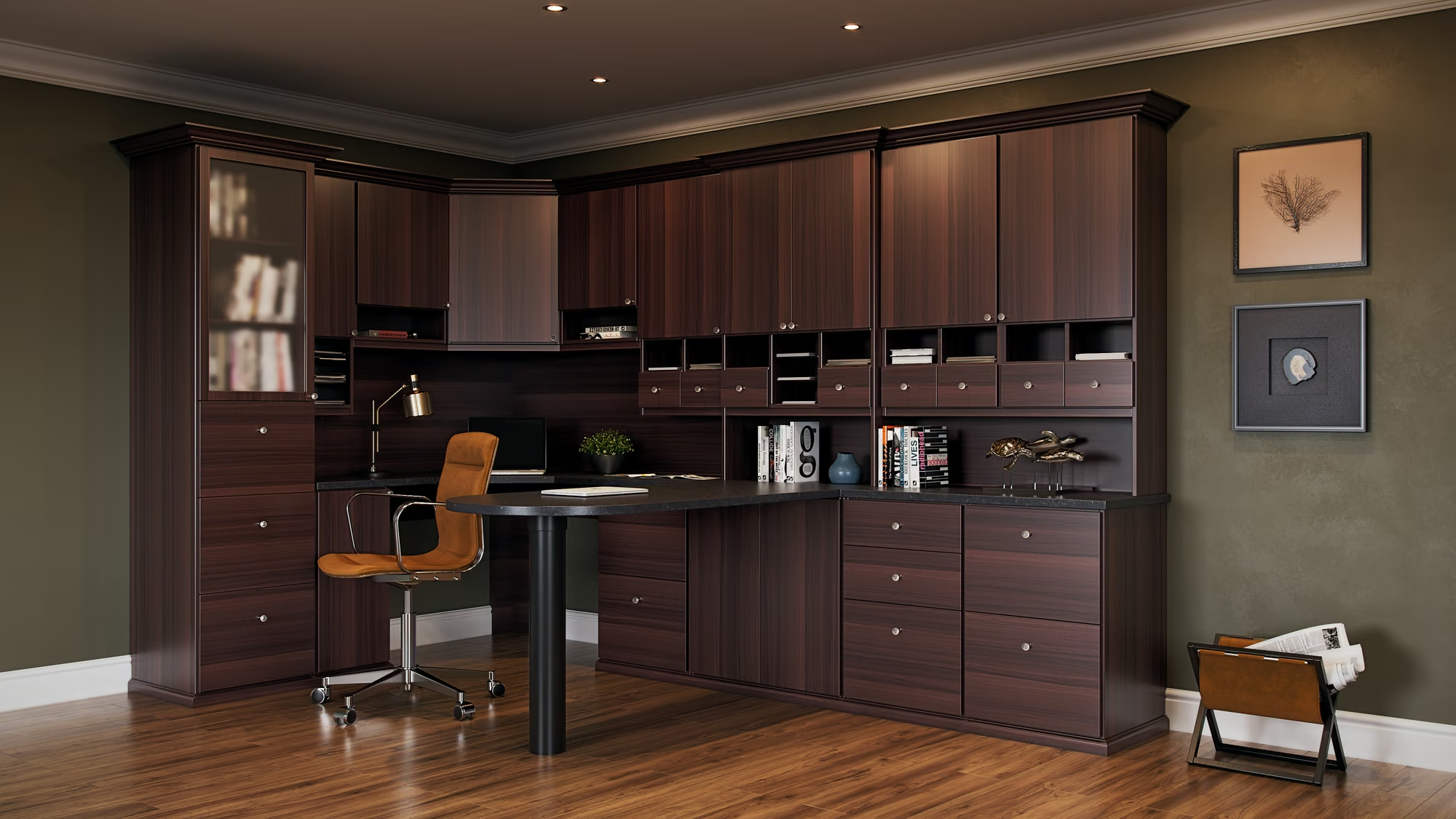
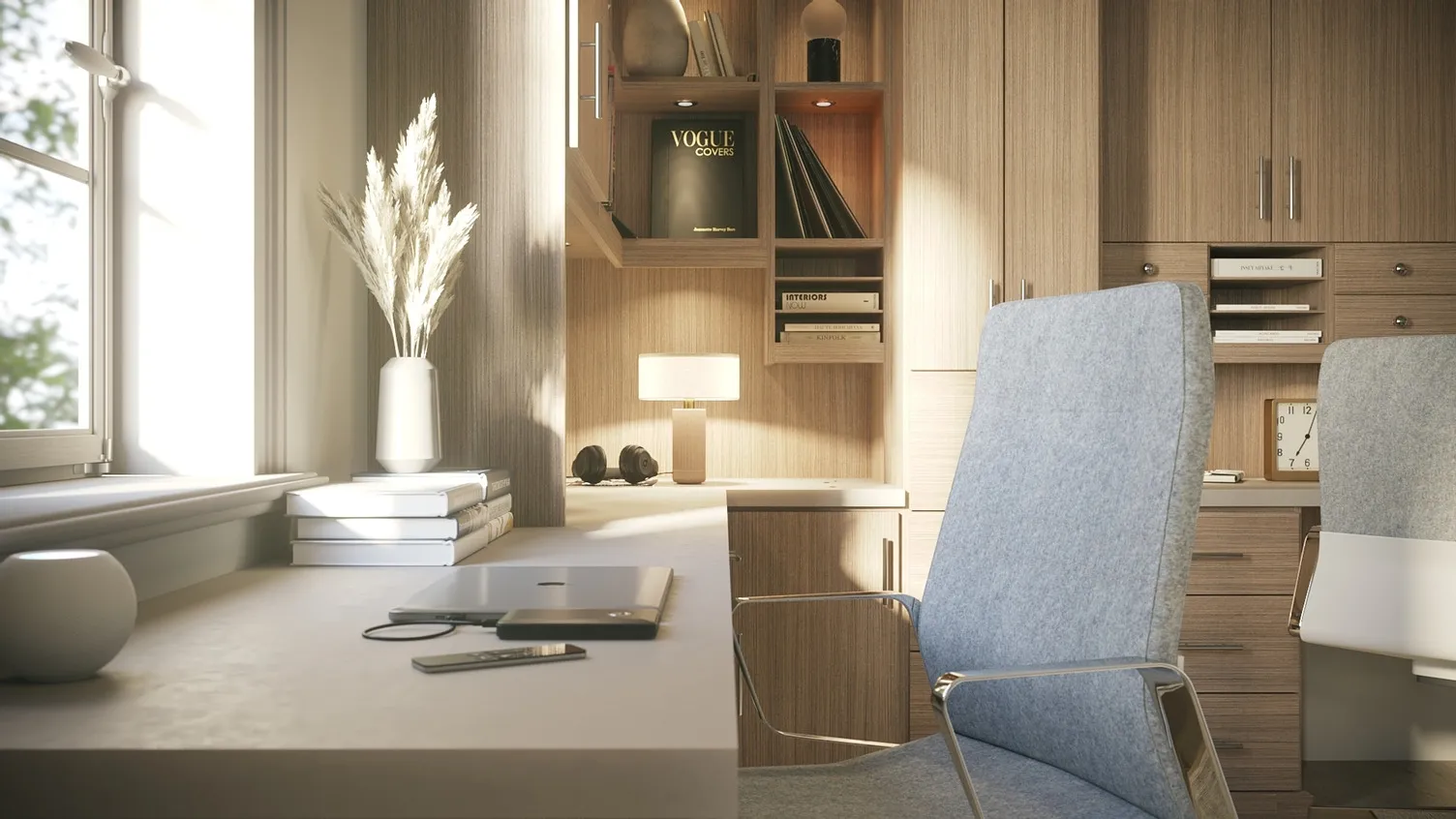
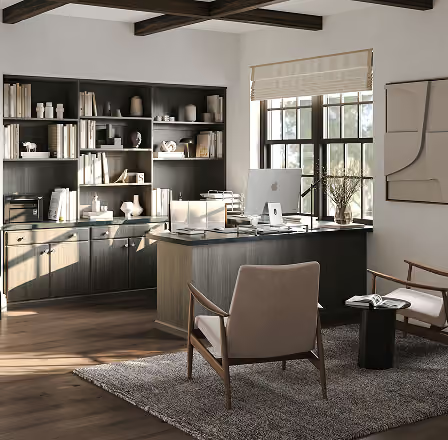
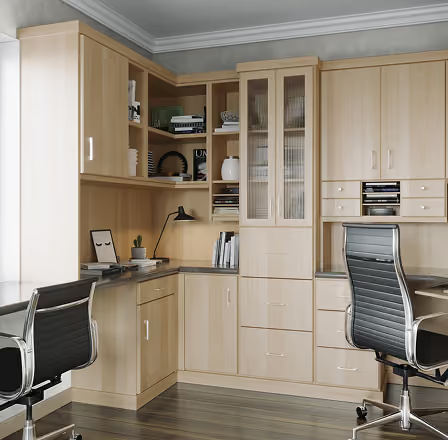
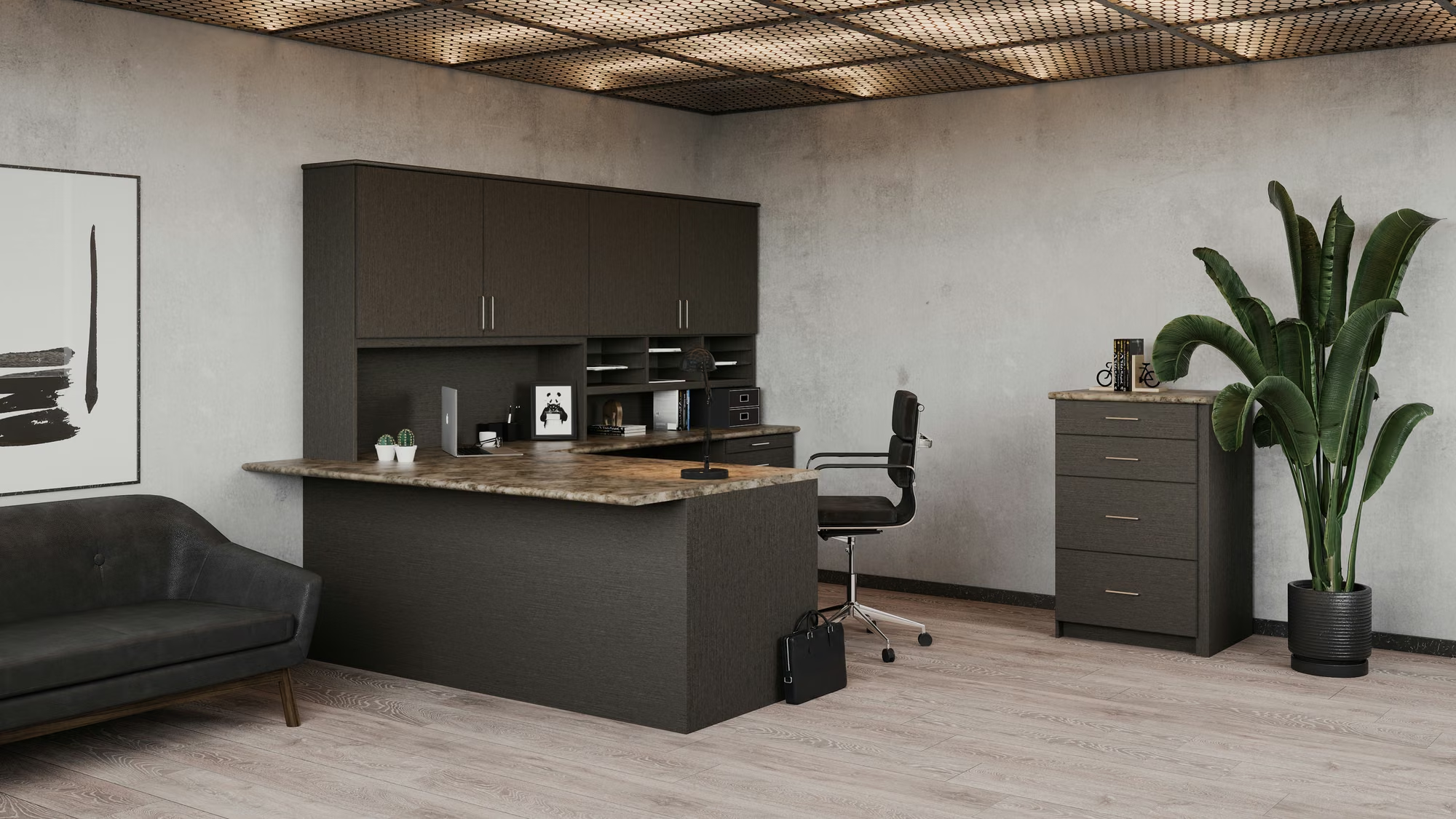
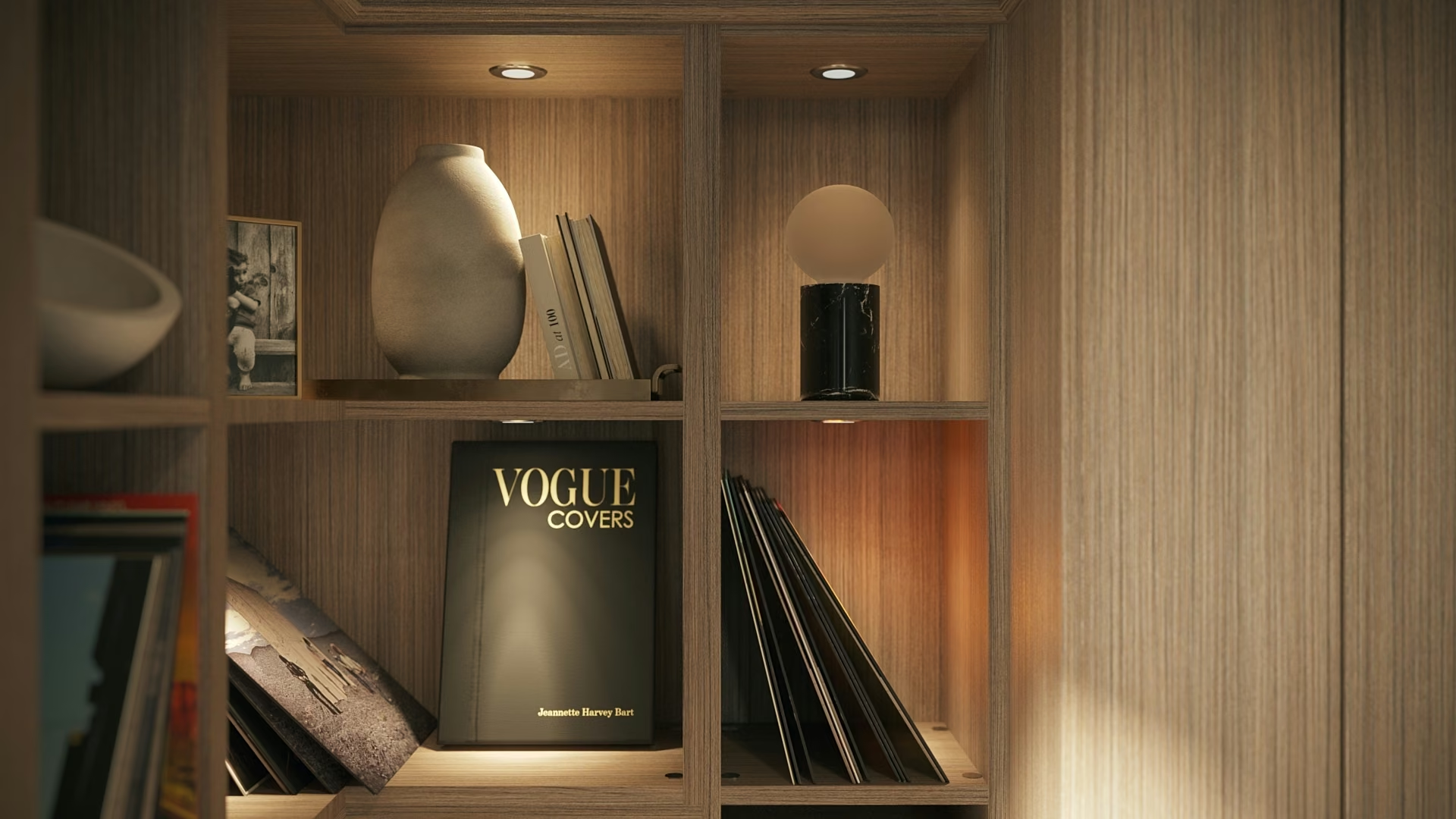
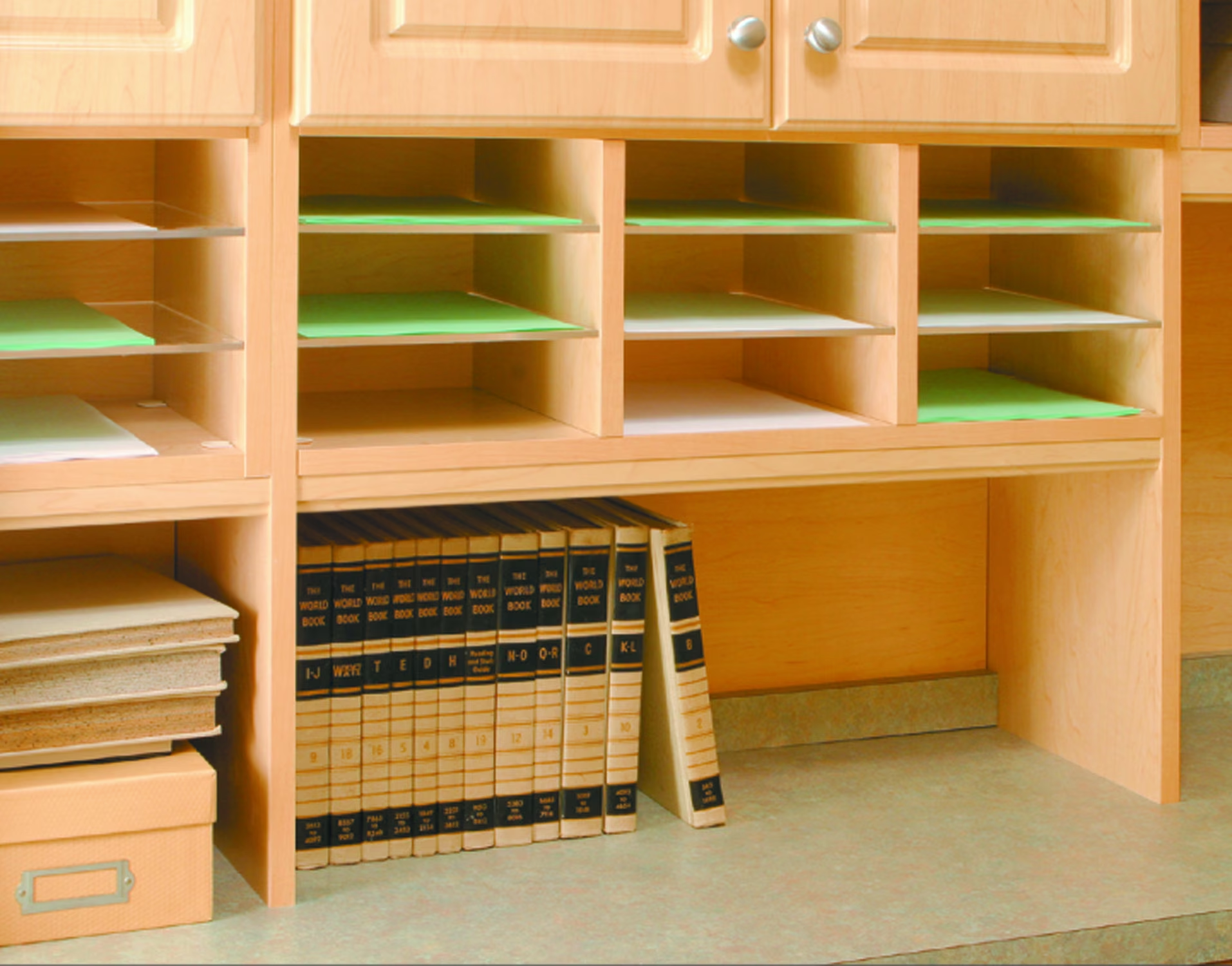
The formula that makes a built-in office photograph well and function better: doors and drawers below shoulder height hide the practical clutter (files, printer, the shredder, the label maker we were sure would fix this mess), while open shelves above hold books and the few objects that make a video background look like a person works here on purpose: framed pictures, plants, a candle, tabletop décor, souvenirs, you get the idea. Your eye reads the open shelves; your workday leans on the closed ones.
Design for the Job You Actually Do
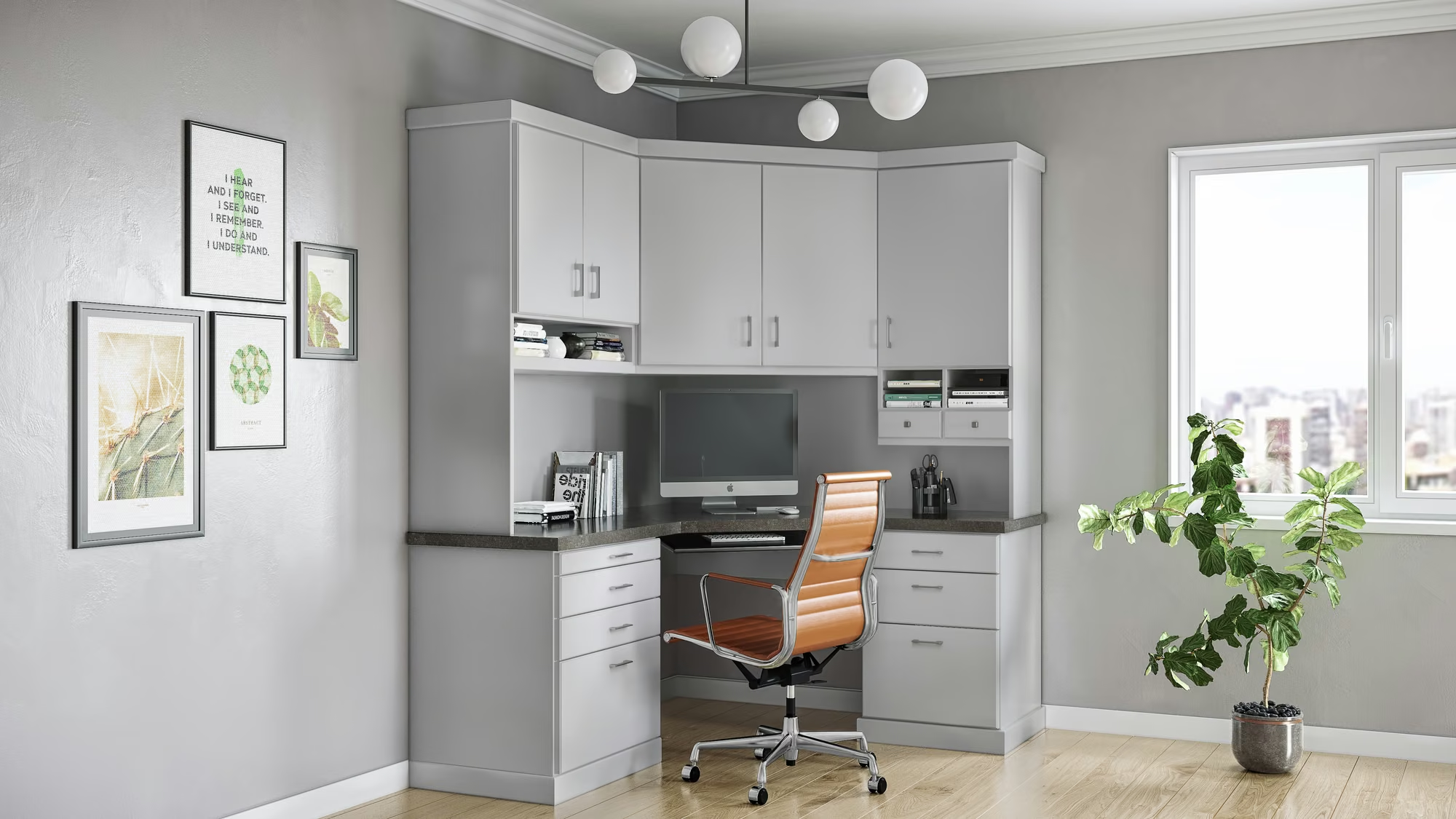
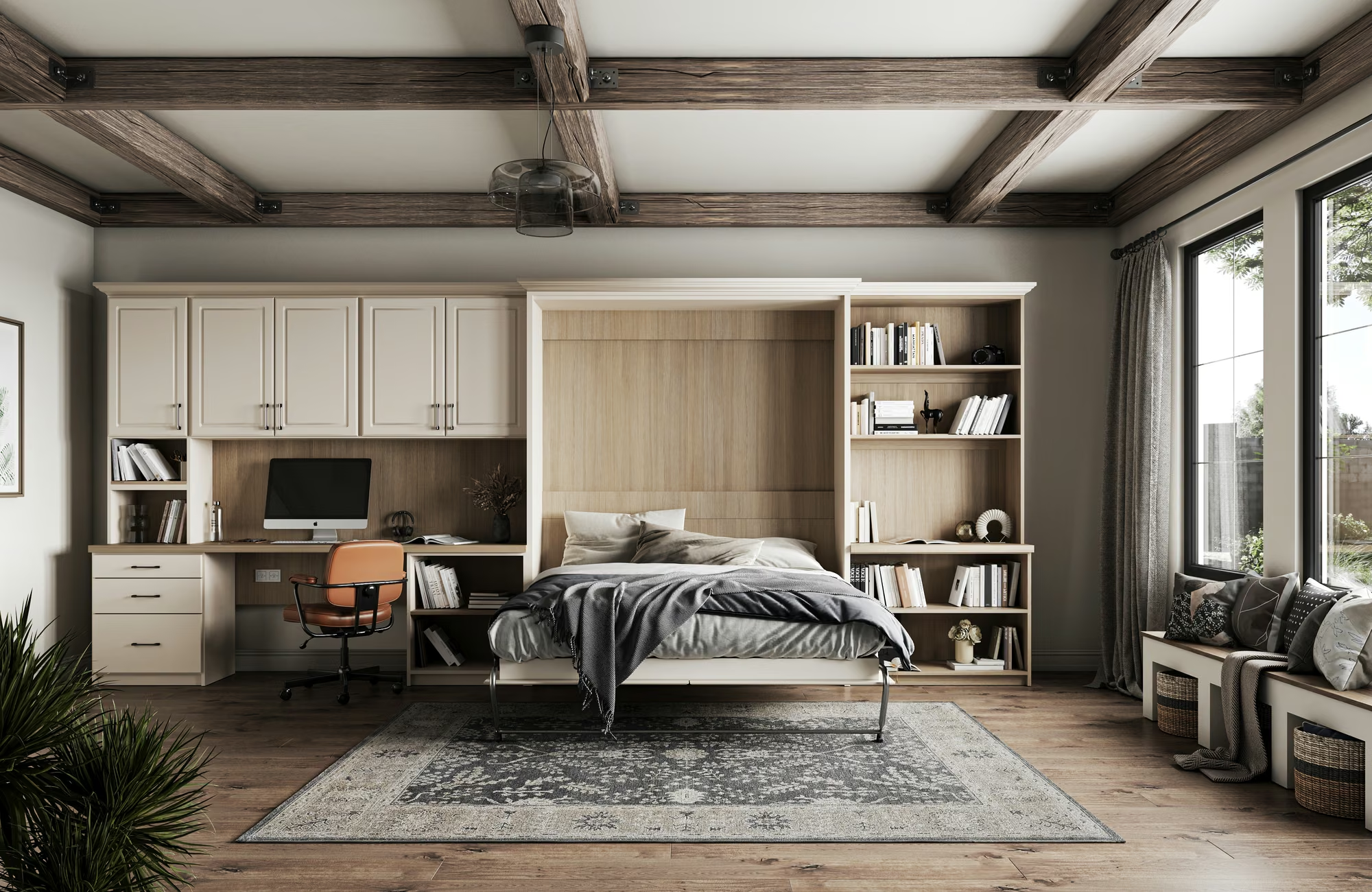
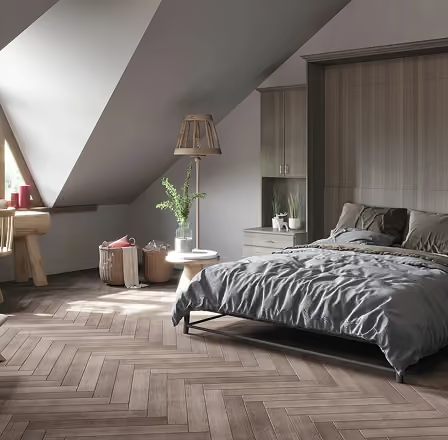
A designer’s first question isn’t “what storage do you want?” It’s “what does your workday look like?” Two monitors or one, paper-heavy or paperless, client calls or deep focus: the answers set the desk depth, the drawer count, and where the shelves go. That’s the difference between organizing a home office and designing one, and it’s why a custom home office stays organized in month eight while the furnished version has quietly relapsed. If your office also has to produce a guest bed on demand, our Murphy bed office and guest room guide solves both jobs in one room.
Home Office Storage Ideas by the Wall You Have
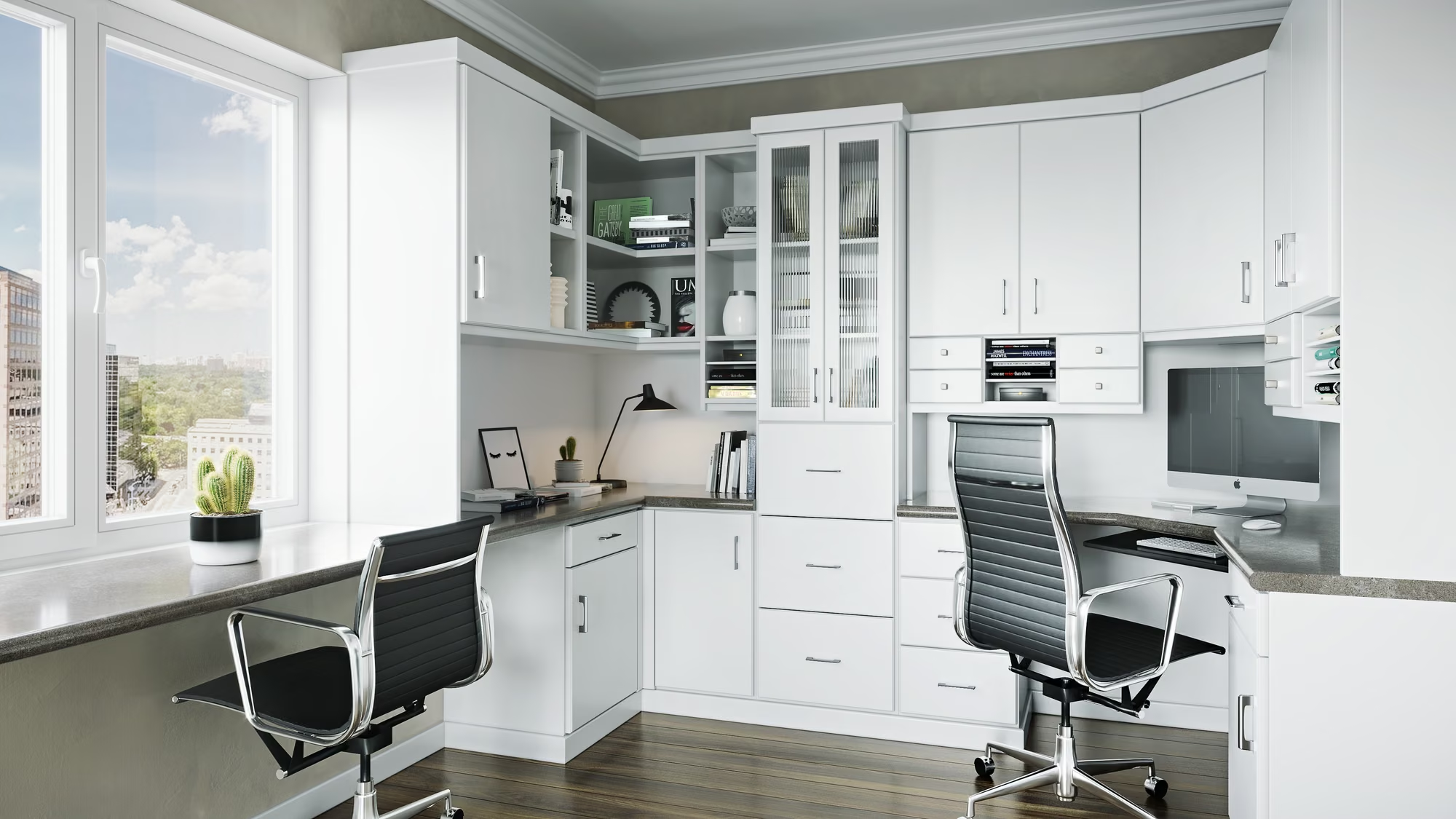
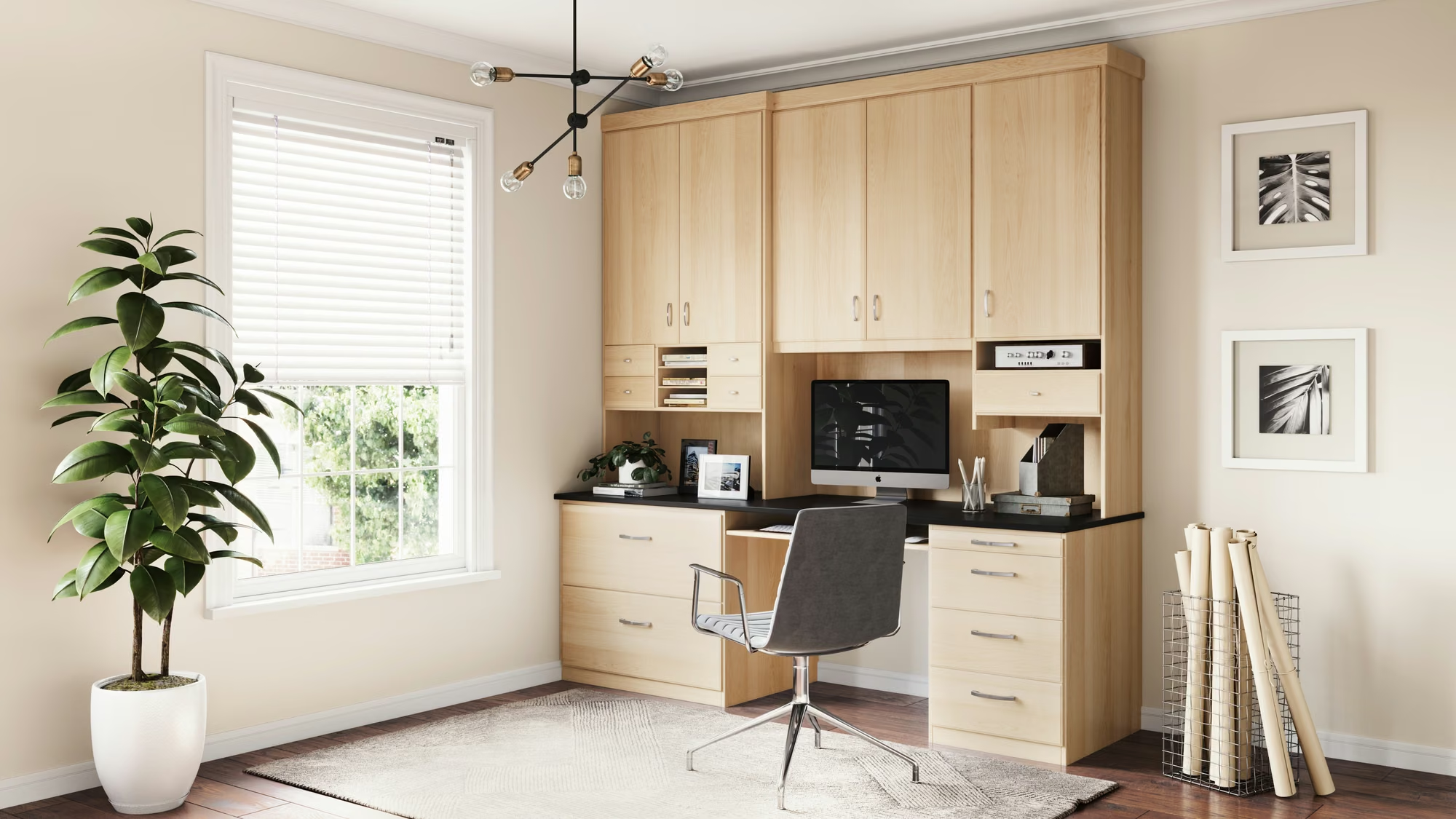
Every home office storage plan is really a negotiation with one wall, so here are the plays by wall type. A full blank wall takes the classic built-in: desk in the center, floor-to-ceiling office cabinets on both sides, open shelving above. A window wall puts the desk under the light (your face on camera will thank you) with low cabinet runs left and right at sill height. A closet wall is the sleeper move: pull the doors, and the closet becomes a built-in desk nook with shelves above and files below, a full office in 24 inches of depth that a guest room doesn’t even have to acknowledge. And the awkward half-wall by the door? Shallow 12-inch shelving for books and binders, which is all that wall ever wanted to be.
The Paper Problem Deserves One Honest Paragraph
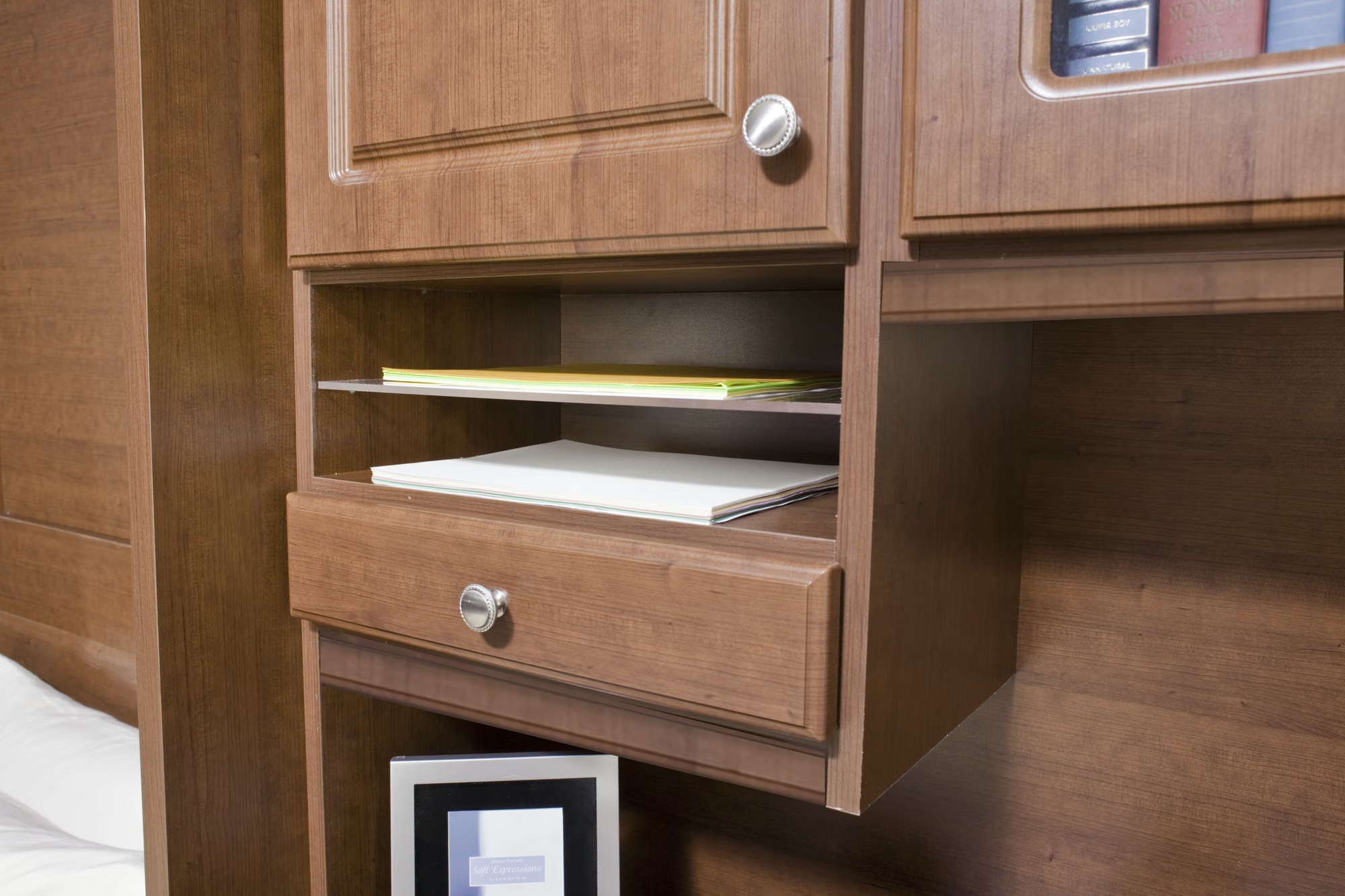
Paperless is a lifestyle; paper is a fact. Drowning in taxes, warranties, the school forms that regenerate overnight? Give paper exactly one drawer of hanging files and one inbox tray, and process the tray weekly, which in practice means whenever it starts to lean. The trick isn’t a filing philosophy, it’s proximity: a file drawer built into the desk gets used, while a file cabinet across the room becomes a plant stand within the current quarter. Home office shelving above the desk handles the reference binders. Everything older than seven years graduates to a labeled archive box in a closet, cabinet, or unused shelf where it can age with dignity.
Small Home Office Organization: The Cloffice and Other Honorable Compromises
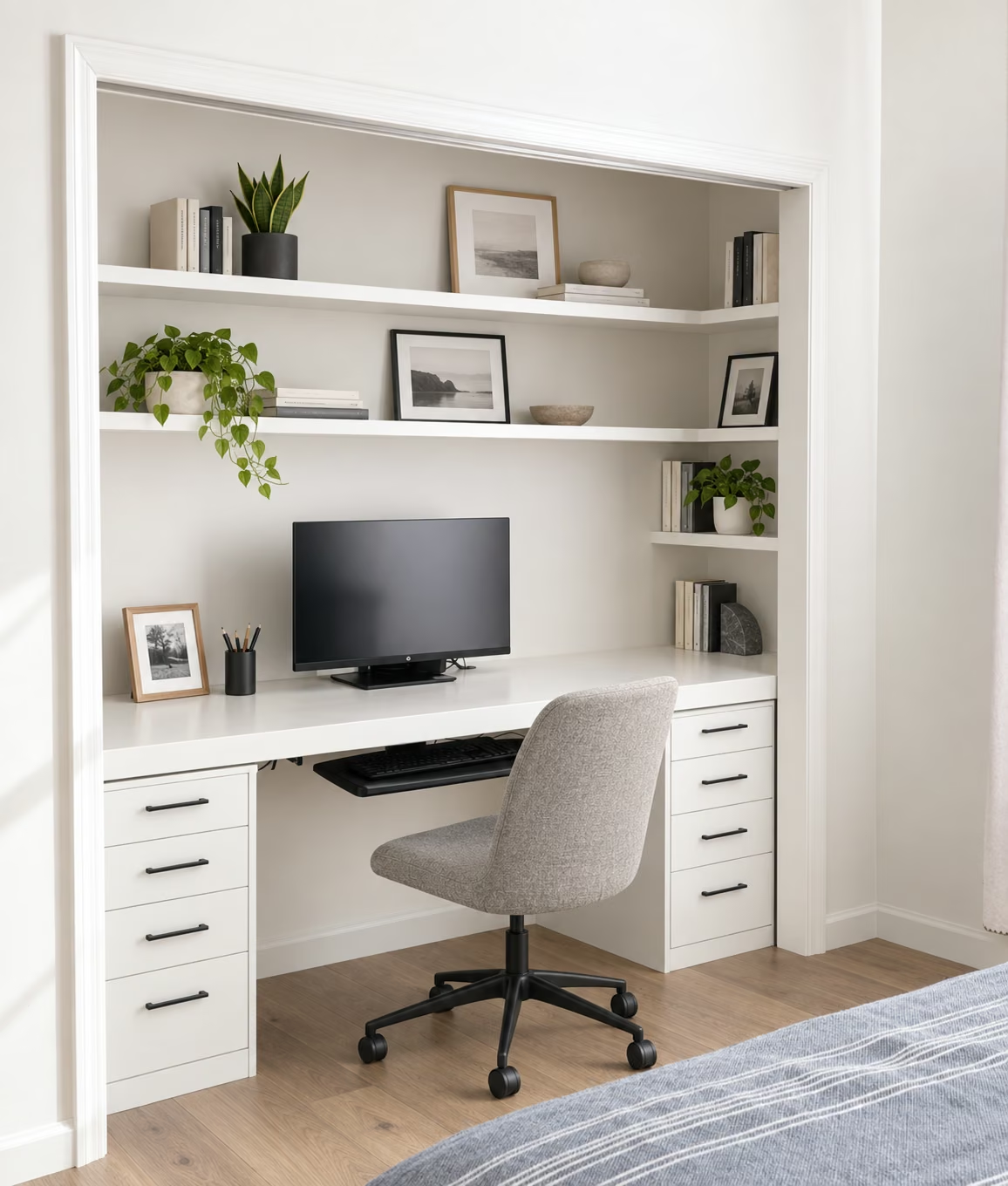
No spare room? Small home office organization is about borrowing square footage without the room noticing. The closet office (the internet calls it a cloffice; we apologize on the internet’s behalf) is the best version: a built-in desk surface, task lighting, shelves to the ceiling, and doors that close at 5 p.m., the most underrated feature in remote work. Sightline discipline matters most in shared spaces: closed cabinets face the living area, open shelves face the desk, and the printer lives in a pull-out either way, because a printer in plain sight lowers the property value of any room it’s in, emotionally speaking.
Quick Answer: What Makes the Biggest Difference in Home Office Organization?
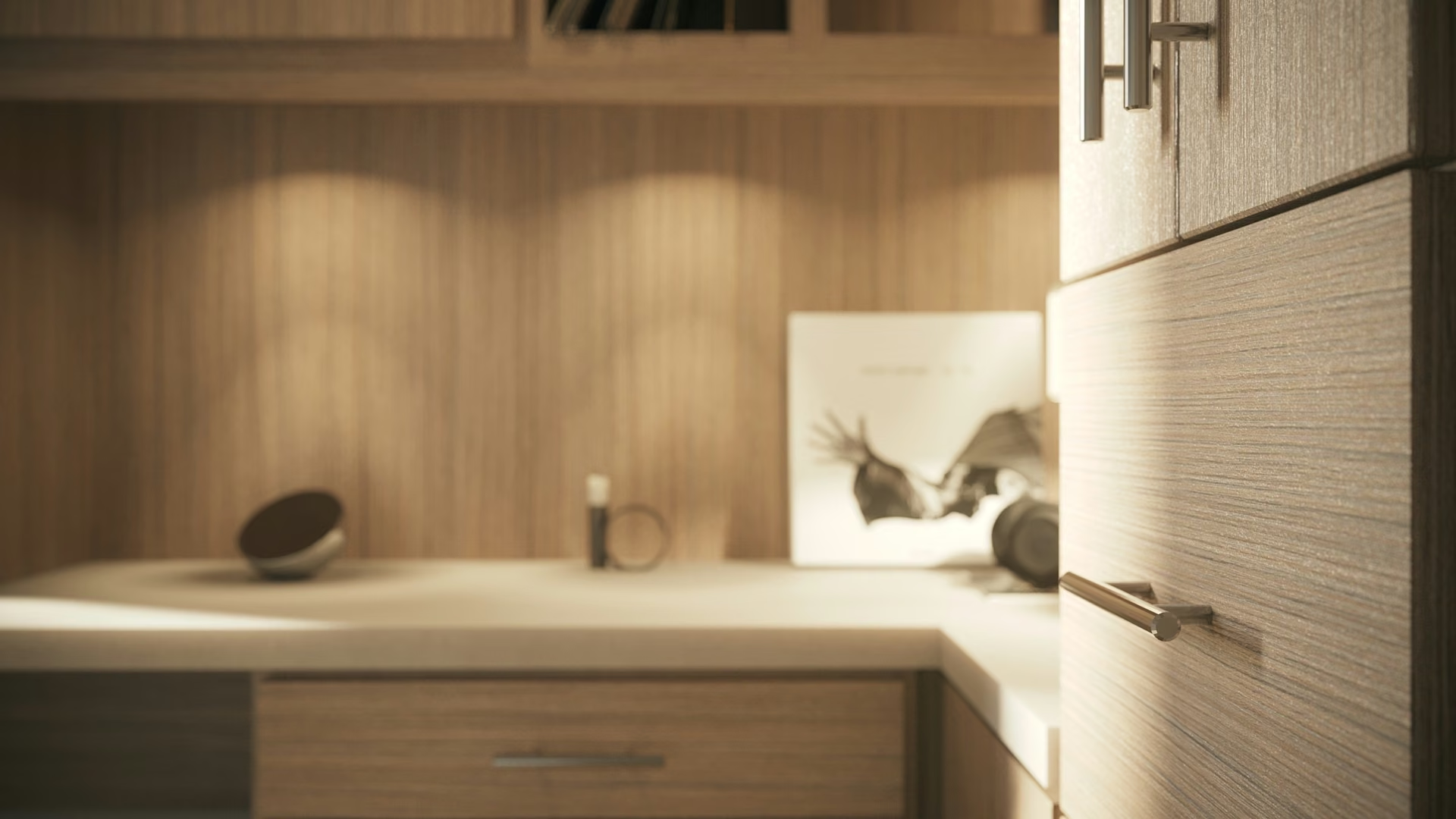
Getting cords, the printer, and paper into closed storage. Those three categories create the majority of visible office clutter, and none of them needs to be visible to do its job. A charging drawer, a printer pull-out, and one drawer of hanging files will do more for the room than any amount of desk-tidying, because they remove the mess instead of rearranging it.
We’ve been designing and manufacturing custom storage in California since 1991, and home offices are where the before-and-after photos get dramatic. Book your FREE in-home design consultation and put your office to work. The piles you shoved out of frame can finally come out with their hands up.