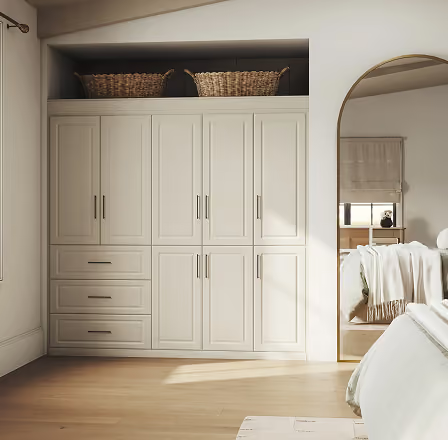








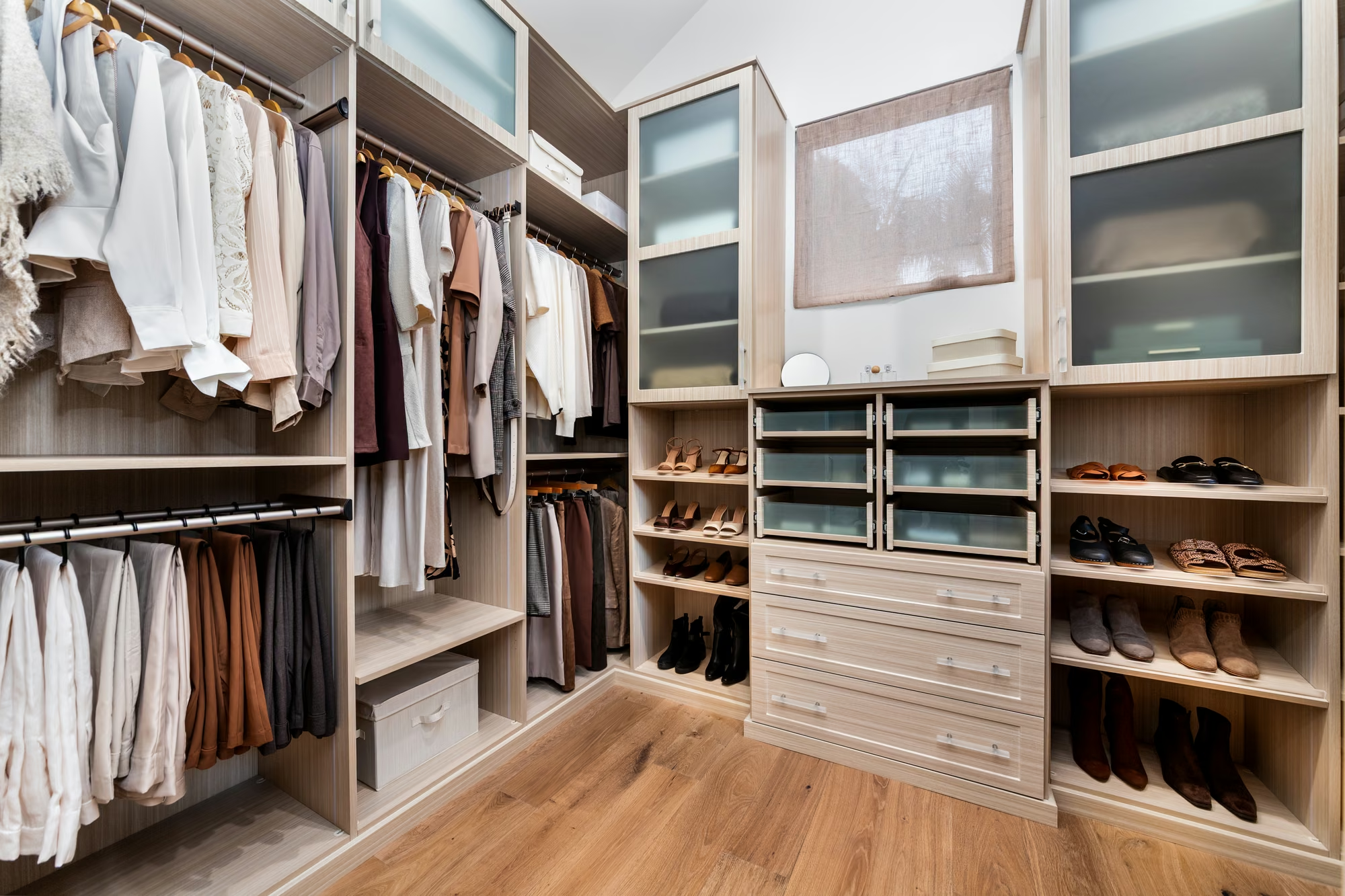
Closetmaxxing means getting the most out of the closet you already have, both the clothes in it and the space around them. It covers two things people usually separate: wearing more of what you own, and storing it so you can see it. Common moves include double-hanging, shelf heights set to what you actually store, drawer dividers, and better lighting. Custom design takes over where shelves have to reach higher, hold more, or fit a corner that isn't square.
Key Takeaways
- Double-hanging turns about 6 feet of hanging space into about 12.
- A structured tote needs 14 to 16 inches of clear shelf height to stand up.
- An island needs 36 inches of clearance all around, so 10 to 12 feet of room width with wall units.
- Shoe shelves spaced to your actual shoes save a whole shelf over twelve rows.
- Anything above 84 inches needs a step stool or a pull-down rod.
You can picture the shirt. You know it's in there. Ninety seconds later you have moved eleven hangers, found two things you forgot you owned, put a sweater back on the shelf twice, and you're wearing a different shirt.
The closet has one shelf, one rod, and a laundry basket instead of a hamper. There's a word for doing something about this: Closetmaxxing.
What is closetmaxxing?
Closetmaxxing is the closet version of maxxing, online slang for making something the best it can be. Sleepmaxxing, looksmaxxing, proteinmaxxing: take one ordinary part of your life and get everything out of it you possibly can. Point that at a closet and you get closetmaxxing.
Most of the time you'll see it used one way: shopping your own closet. Pulling out the jacket you forgot you owned and wearing it instead of buying something new. That's the goal, and it's a good one.
The other half is the closet itself. Drawer dividers, shoe shelving, shelf heights, lighting. It sounds like a separate project, but it's the thing that makes the first half possible. You can't shop a closet full of clothes you can't see, and nobody rediscovers a forgotten jacket under four pairs of jeans tossed over a chair.
So when one person adds a third hanging row to a rental closet and calls it closetmaxxing, and someone else builds an outfit out of what she already owns and calls it the same thing, they aren't describing two different trends. They're describing the same one from opposite ends.
The word is newer than the practice. Professional organizers have been doing all of this for decades without calling it closetmaxxing. What the name is really doing is getting people to look at a room they've stopped seeing, a place where function (or, more correctly, dysfunction) has become the aesthetic.
Closetmaxxing is the umbrella, not one technique. There are three levers, and most people only ever pull the first two.
- What you own. Decluttering is maxxing. Fewer things in the same space means every one of them gets a better spot.
- Where it sits. Rotating by season is maxxing. Sweaters at eye level in October and shorts on a high shelf puts more of what you need in reach and less of what you don't.
- What the space can hold. This is the one people skip, because it is the one that isn't free. Add double-hanging, adjustable shelving, drawer dividers, lighting. It involves purchasing materials and/or services, but once it's done, your closet is maximized.
How do you store a lot of shoes without a shoe pile?
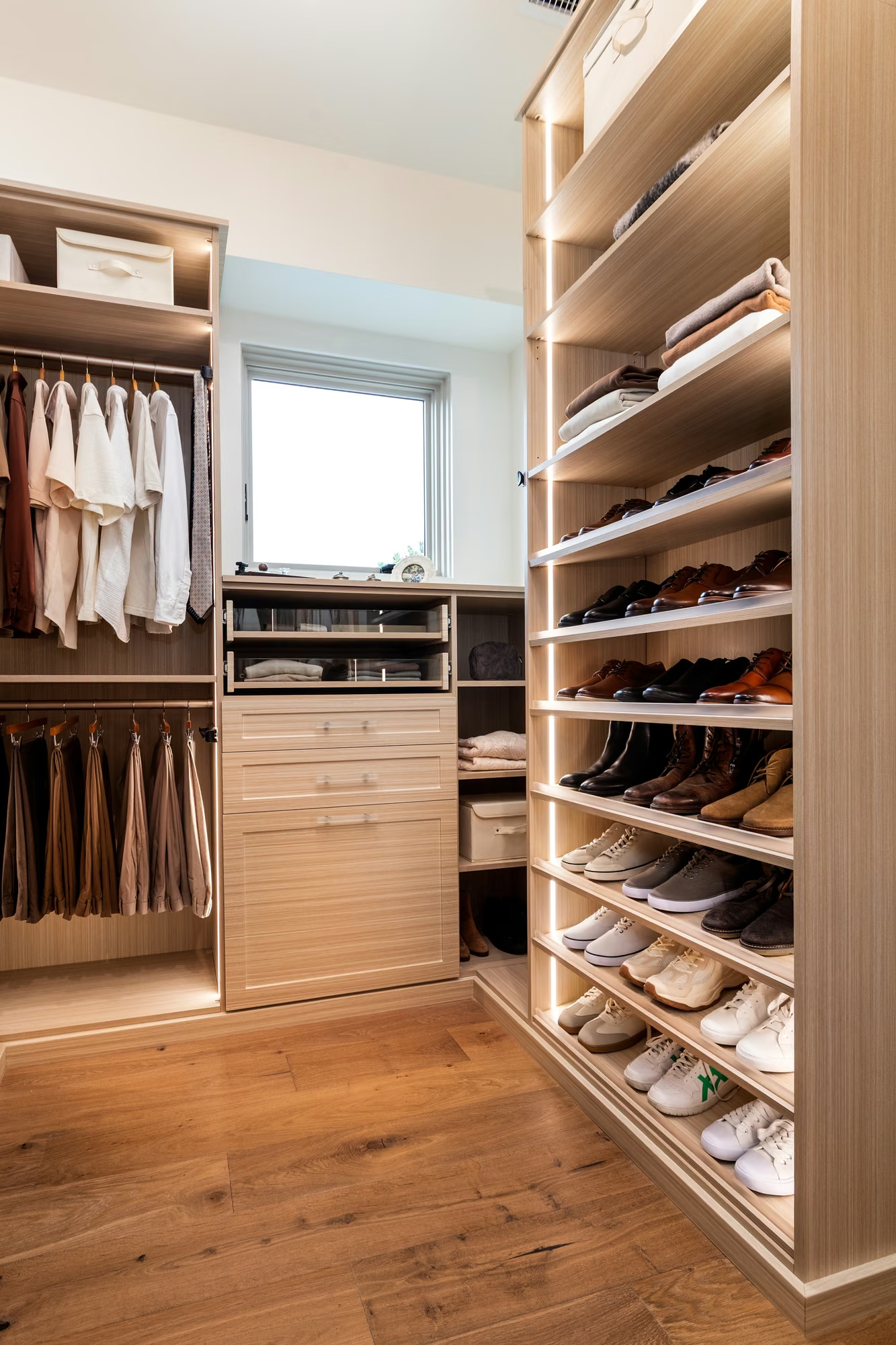
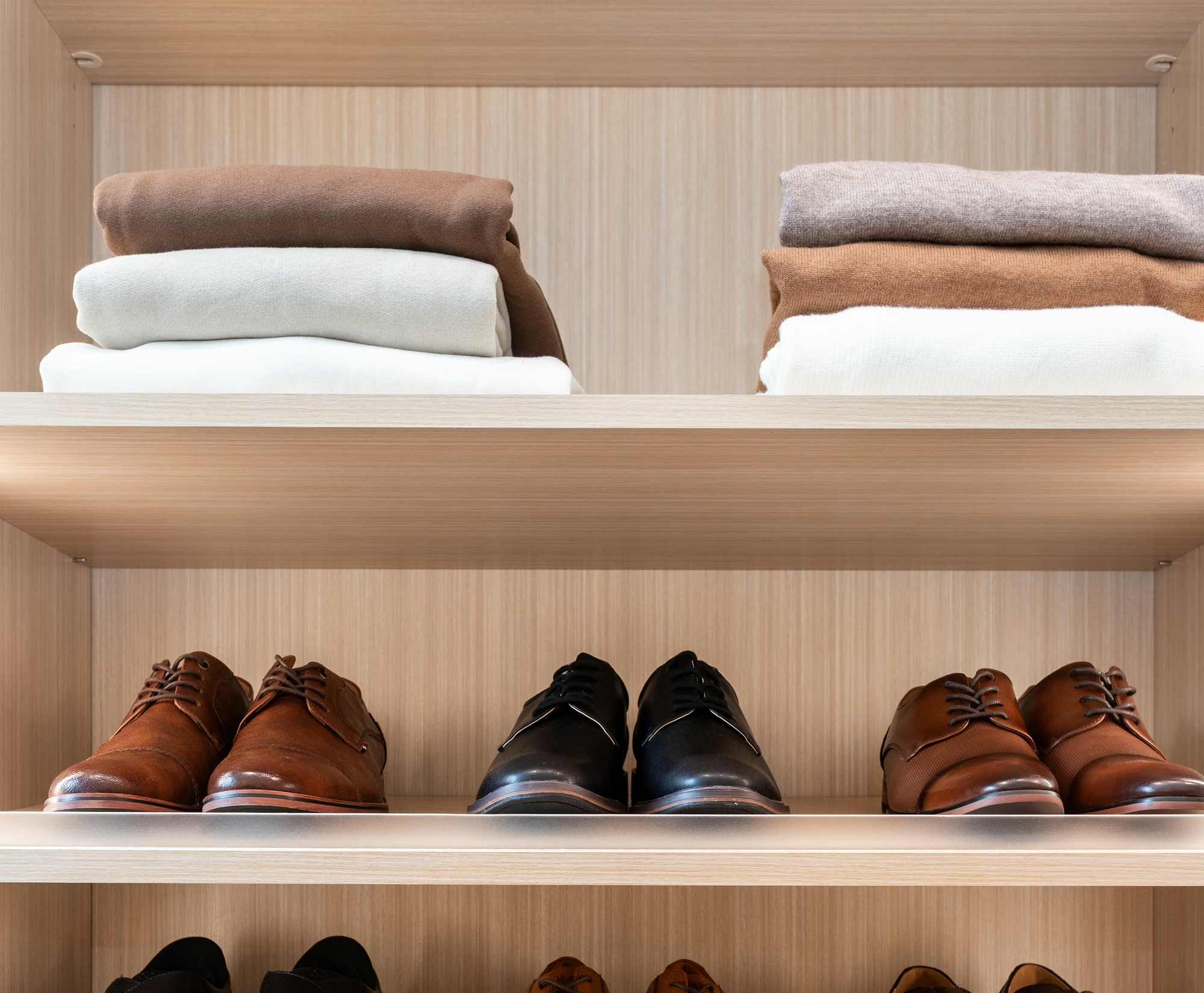
Give every pair its own visible spot, and set the shelf spacing to the shoes you actually own rather than to a standard.
A pile on the floor crushes what's underneath, puts the dirty soles of one pair on the suede of another, and costs you a few minutes of digging every morning. A floor rack is better, but it's still on the floor, and it's never big enough, so the overflow ends up beside it. An over-the-door organizer gets things off the floor, but bulky sneakers don't go in a fabric pocket, and if your closet doesn't have a standard door you're staring at the pockets on the back of the bedroom door and listening to them knock every time it closes. Clear boxes that open at the end are a real solve, since you can pull a pair without dismantling the tower, but the tower is still standing on floor space.
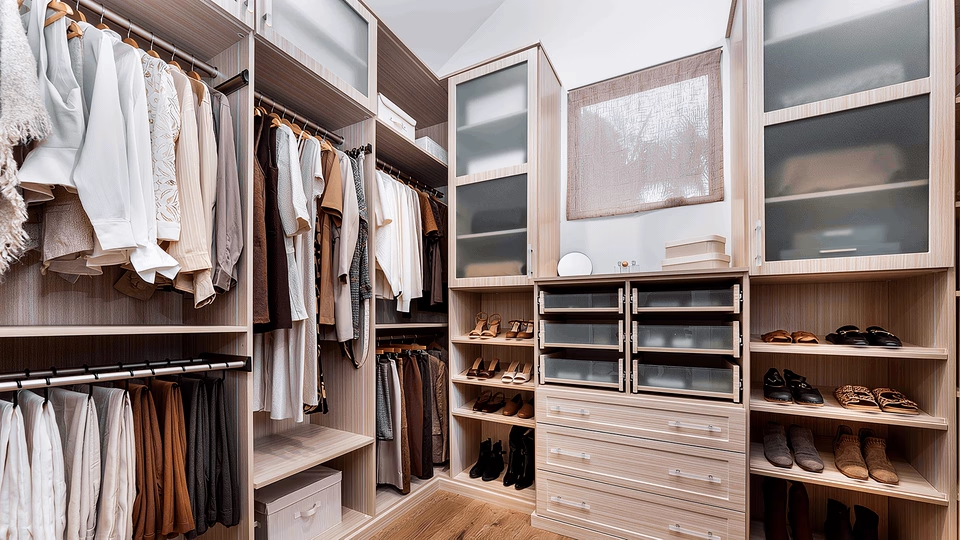
Shoe shelves are the best solution. They use a blank wall that wasn't doing anything, they give the floor back for something else, and every pair sits at its own height with nothing on top of it. You see the whole collection in one look, the way a shoe store does it.
Drawer dividers, and why the cheap ones stop working
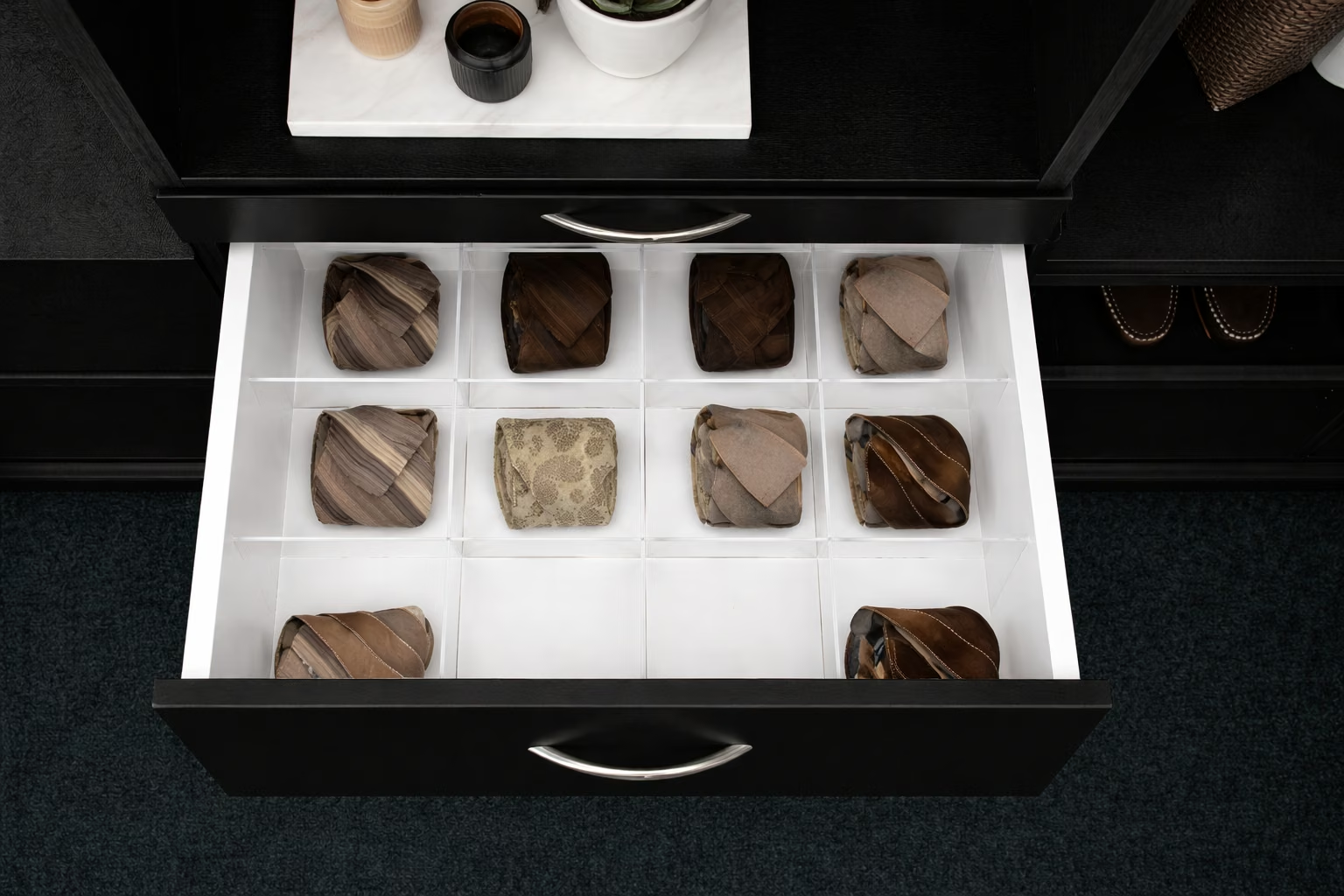
Dividers for drawers that hold smaller items are a must. Start with the drawer you open most, usually socks and underwear. If that's not organized, your morning begins with a search that becomes a hunt, digging through a pile of mismatched socks, or trying to find the underwear you want.
Remember, dividers only work if they fit the drawer. Store-bought expandable ones fit approximately, which means they drift, and a divider that drifts is one that you stop using. Vinyl and mesh drawer inserts with tiny cubbies for each pair are a little better, but they never fit your drawer perfectly, leaving lots of room along the sides. Drawer inserts cut to the size of the drawer don't move and help you create a specific place for specific pieces. This helps you stay organized.
Specialty drawers: jewelry, watches, sunglasses, and the tangle
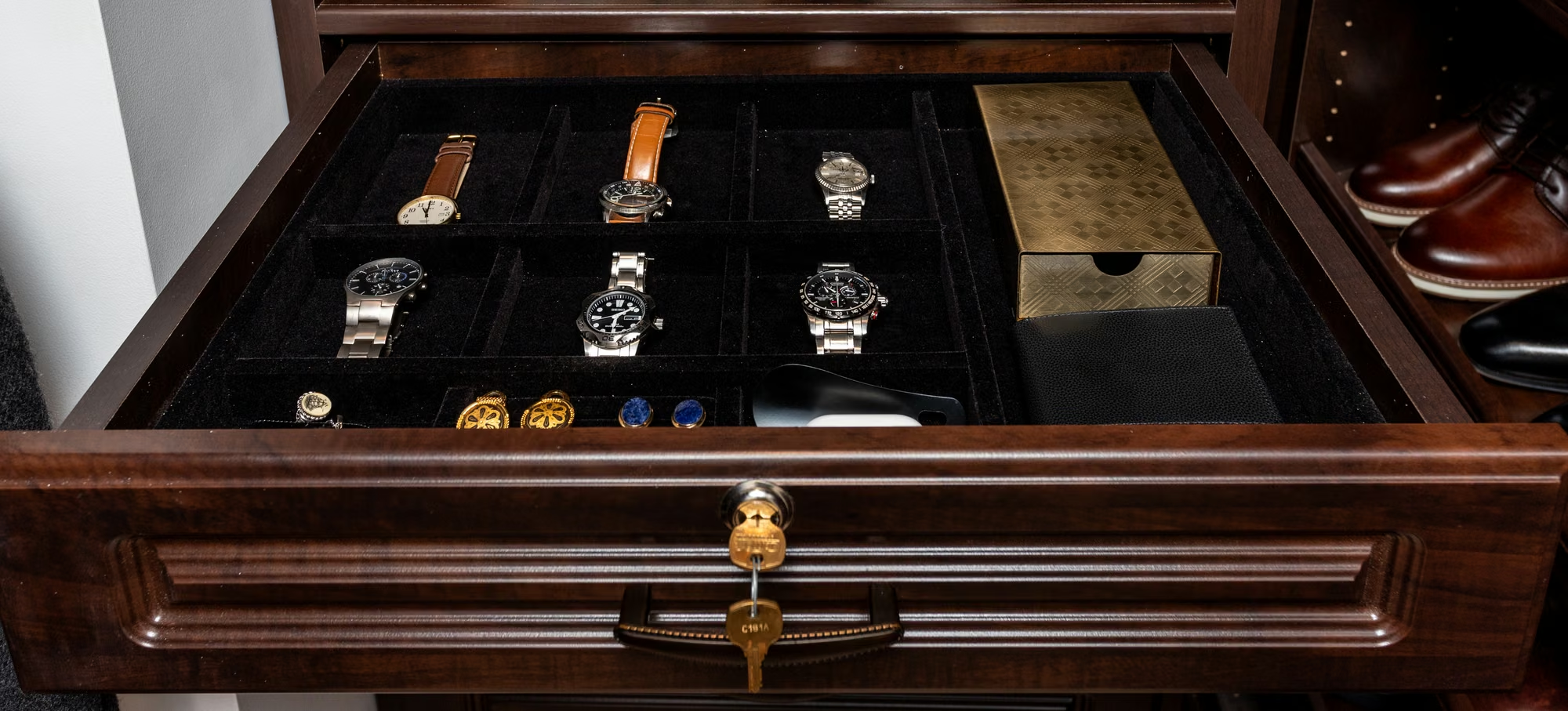
Once dividers make sense, specialty drawers are the next step. Felt-lined jewelry inserts so chains don't knot. Angled trays for bracelets, or watches. A shallow drawer for sunglasses, which otherwise all live in the car, until they disappear.
The logic repeats: a thing with a home gets used, and a thing in a pile gets replaced. The tangle is not a character flaw. It is a storage decision nobody actively made.
How should you store handbags so they keep their shape?
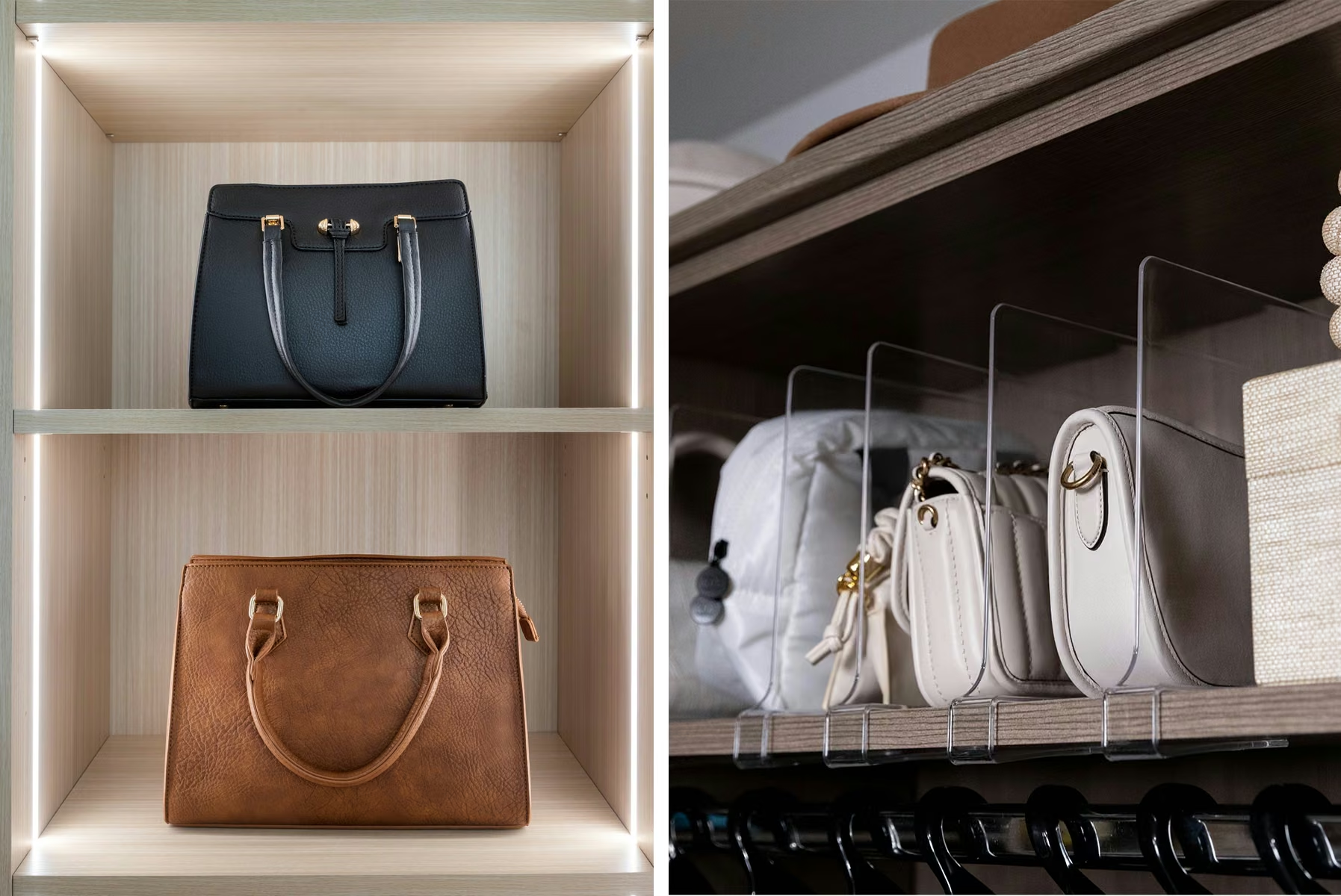
Store them standing upright, on a shelf tall enough that nothing leans, with enough space between them that the bags are not holding each other up.
A structured tote needs roughly 14 to 16 inches of clear height to stand on its own, and most standard closet shelves do not give it. So bags get stacked, then they crease, then they move to the floor of the closet, which is where bags go to be forgotten.
Vertical dividers on a tall shelf handle most of it. Cubbies handle the rest, and they also stop the daily decision about which bag gets to be on top.
Open shelving is a look and a commitment
Folded knits, color-sorted, edges aligned. It is the prettiest thing you can do to a closet and the most honest test of whether you enjoy maintaining things.
Open shelves work beautifully for items that come back to the same place every time, like folded sweaters and jeans. They work badly for anything you grab in a hurry. A reasonable split is open shelves at eye level for the things you want to look at, and drawers or bins below for everything else.
Do you have room for a closet island?
You need about 36 inches of clear walking space on every side. Add that to the island itself, then to whatever is on the walls, and in practice you are looking at a room 10 to 12 feet wide. Shelving on the side walls puts you at the low end. Hanging on both sides puts you at the high end, because a rod needs more depth than a shelf.
An island in a walk-in that cannot spare the clearance turns a pleasant room into an obstacle course. Where the space is tight, the same storage goes along a wall in a bank of drawers and you keep your floor.
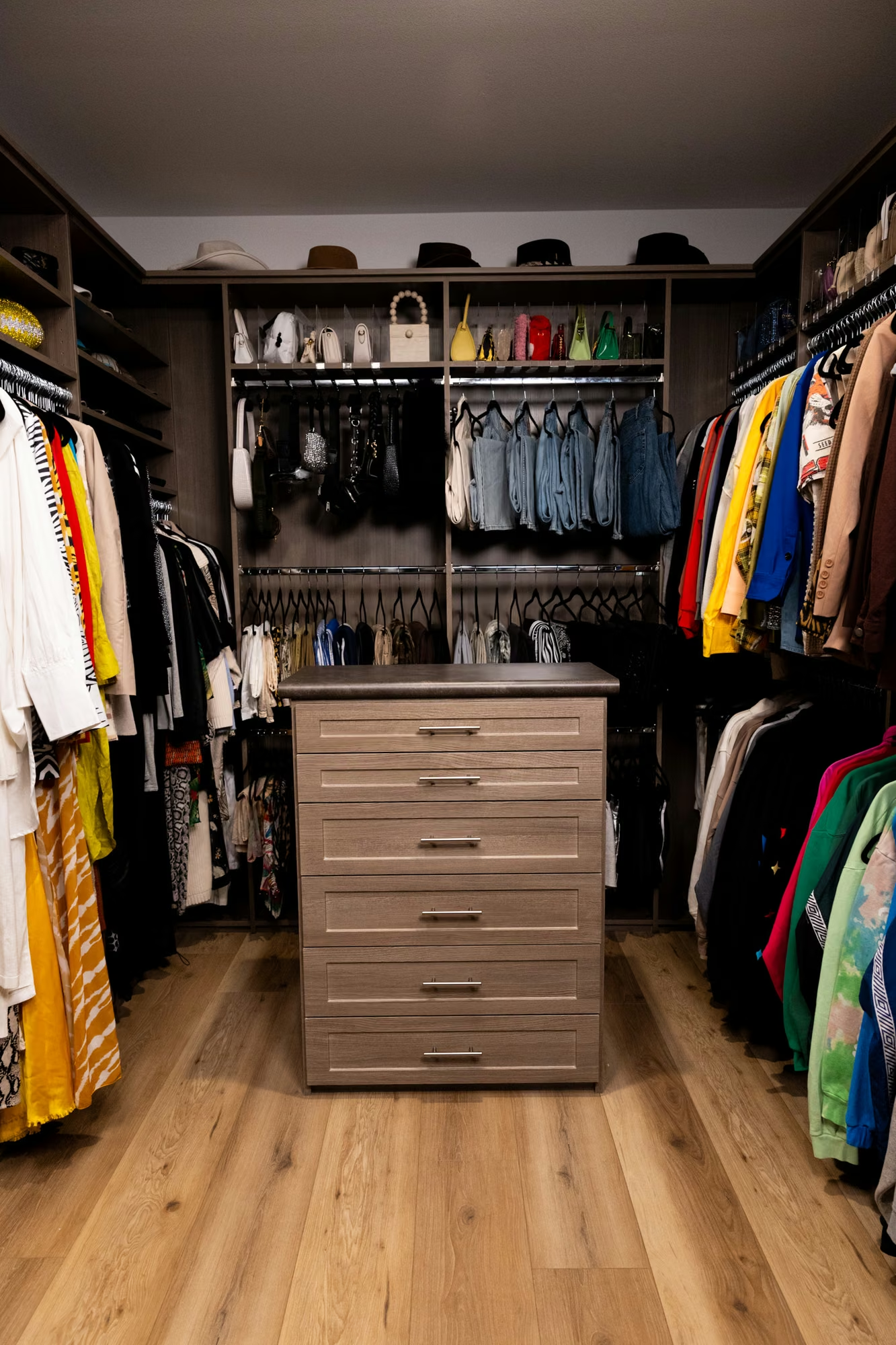
Lighting is the upgrade you shouldn't skip
Recessed lighting, lit rods, in-panel LED strips, a sensor so it comes on when the door opens. It reads as atmosphere. In practice it's the difference between a space you use and a space you squint into.
You can't Closetmaxx a closet you can't see. A good share of the clothing people describe as lost is not lost. It's just in a shadow and you didn't notice it when you were getting dressed in a hurry.
Do you need a custom closet to closetmaxx?
No. Most of it is a Saturday, a tape measure, and a willingness to take everything out first. Dividers, better hangers, a second rod, matching bins, a light: all of it helps, and most of it you can do on your own.
What can't you do yourself? If you aren't a carpenter by trade, and your significant other isn't a contractor, you might want to hire these three things done:
- Anything that has to carry real weight: hanging rods for coats, long runs of shelving.
- Anything above 84 inches high. Balancing on a ladder with a drill and level isn't fun.
- Any corner that isn't square, which is most corners.
That's where the fix stops being a product and starts being a design.
Closet World has been designing and building closets in California since 1991, in our own factory, which mostly means we have seen what happens to a closet six months after the before-and-after.
Where to start
Closetmaxxing is a trending word for getting the most out of your space. Call it whatever you like, Closet World has been maximizing the space you already have for over 30 years. So, if you're simply too overwhelmed to try it on your own, or you just don't know where to begin, book your FREE in-home design consultation. We'll come show you how easy closetmaxxing can be when you've got a designer who knows all the tricks of the trade.