








Nobody grew up dreaming about reading a blog about closet organization. You're here because at 6:40 this morning you were on your knees, digging through the closet floor with both hands, hunting for one specific navy sweater you know for a fact is in there, buried under a season's worth of "I'll deal with it later" and fourteen wire hangers.
Your closet isn't too small. It's underused. Shirts wrinkle, shoes end up in a pile, and the one system in there (a bar and a shelf) was never built to hold what you actually own. The fix isn't more bins crammed into the same footprint. It's making the space you already have do more.
At Closet World, that's our whole mission: maximize the space you already have. The 30 closet organization ideas that follow are sorted by closet type, so you're not trying to squeeze a walk-in solution into a reach-in the size of a phone booth. You're solving for the closet you actually have in front of you.
We've been designing and installing custom closets across California since 1991, from Bay Area reach-ins with zero basement to fall back on to Malibu walk-ins big enough to double as a bedroom in a Hollywood walk-up. That's thousands of installs, and just as many "why didn't I do this years ago?" conversations. Here are our tried and tested tips that actually maximizes the space you've got. Find the closet you're trying to fix below and have at it.
Closet Organization Ideas for Walk-In Closets | Ideas 1-10
Walk-ins have square footage to burn, which is exactly why they get messy. Extra room just means more space to shove things instead of storing them. These ten ideas turn that extra square footage into actual capacity, not just extra floor to trip over.
1. Define Storage Zones
Before you buy a single bin, decide what the space is actually for. Group by category and by person (work clothes, weekend clothes, off-season pieces) so every zone has one job. Mindy Godding, President of NAPO (the National Association of Productivity & Organizing Professionals), calls this "one home for everything," the difference between a closet that holds stuff and one designed to work harder.
2. Island as a Folding Station
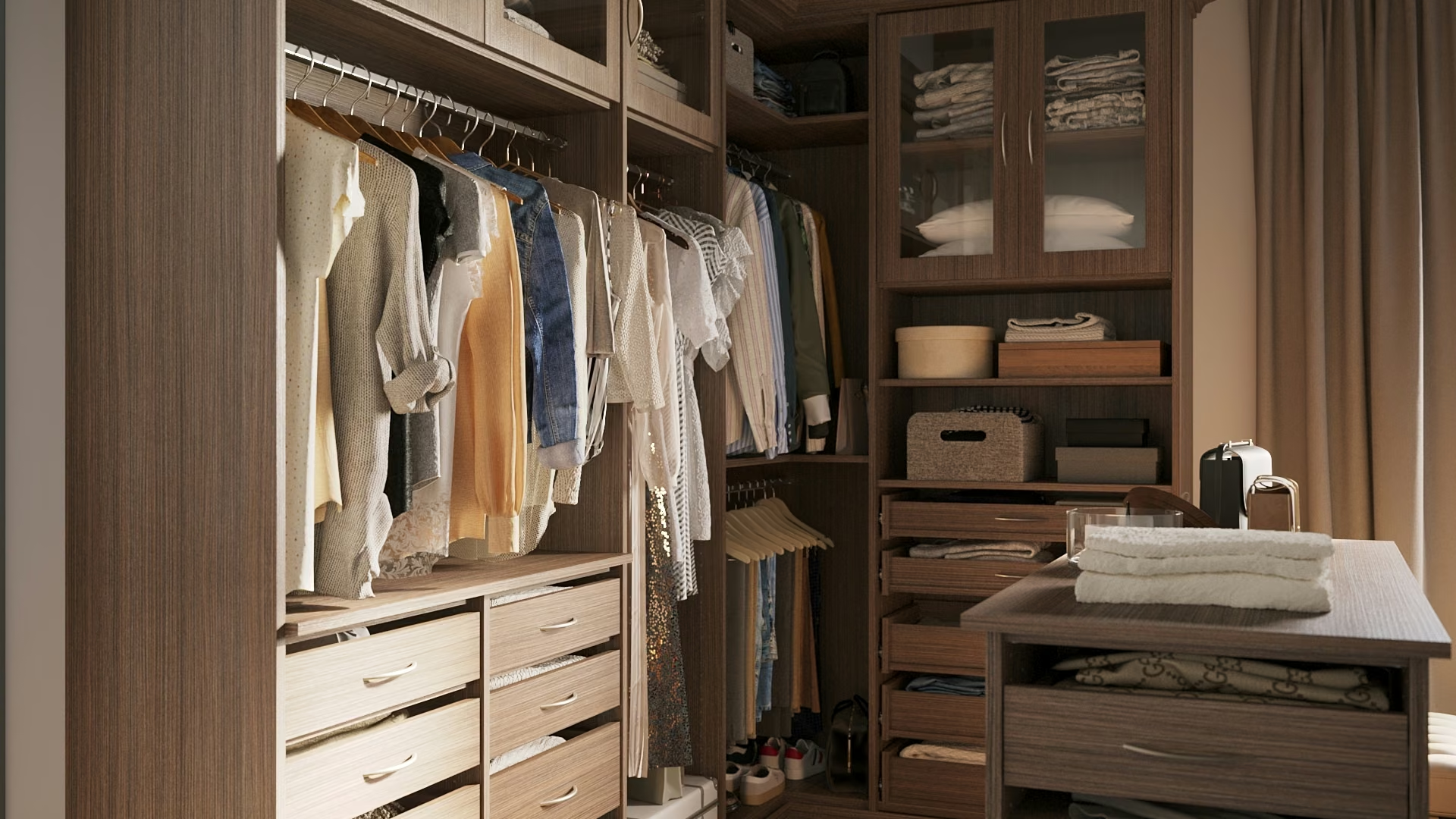
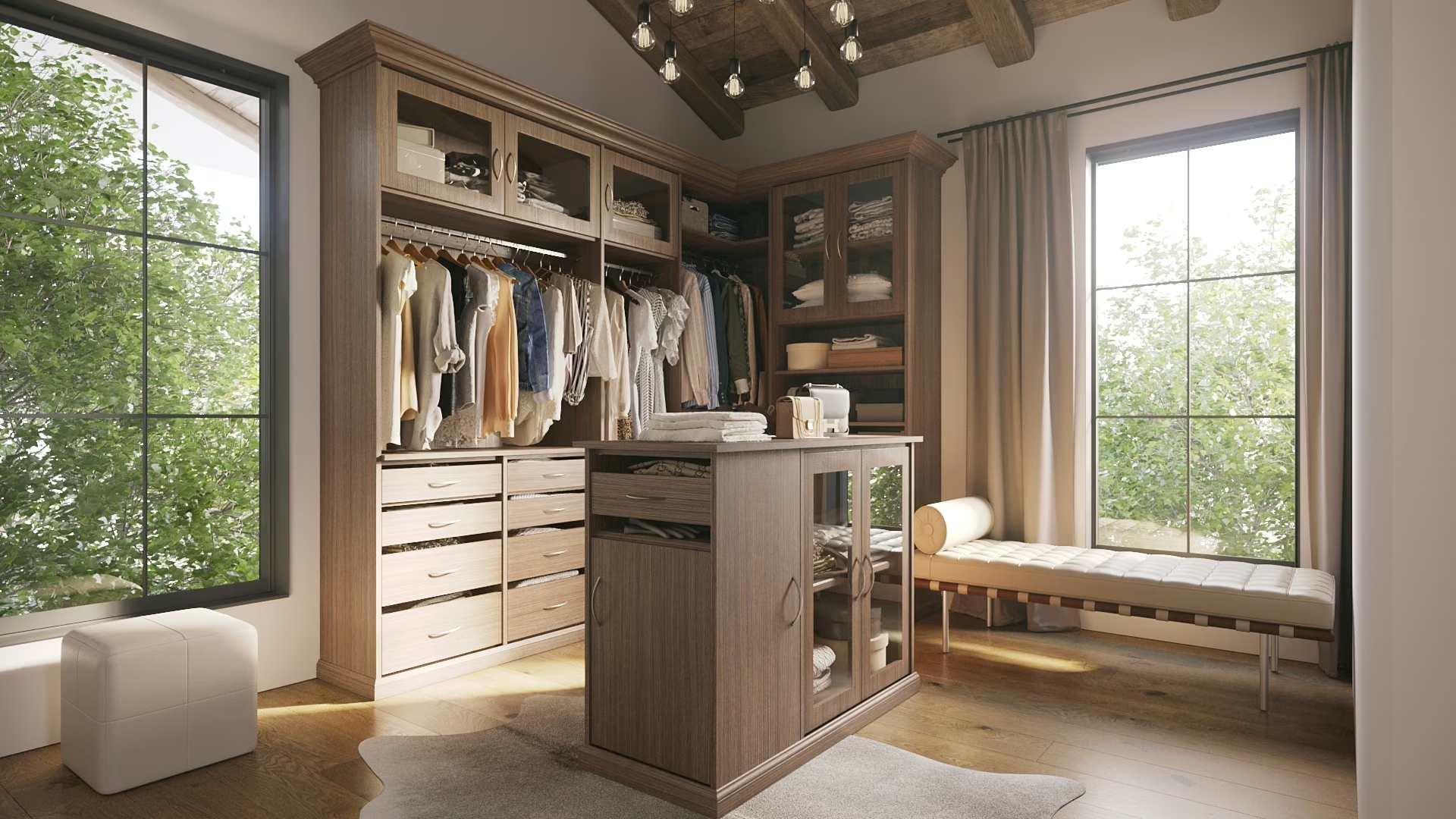
A center island with drawers below and a quartz or butcher-block top turns dead center-of-room space into a landing zone for laundry, laying out outfits, wrapping gifts, whatever the week throws at you. In closets 8 feet wide or larger, a 24" x 48" island still leaves 36"+ of clearance on each side, so you gain function without losing room to walk around in.
3. Floor-to-Ceiling Double Hanging
Stack a second rod roughly 40" below your existing one and reserve a separate 68"-70" long-hang section for dresses and coats. It's the single easiest way to double usable hanging space in a closet that used to hold one row of half-empty rod. Same four walls, twice the wardrobe.
4. Shelving Above Every Hang Rod
A 12"-deep shelf mounted above each hanging section catches folded sweaters, bags, and bins that would otherwise pile up on the floor. It's space that's already there, doing nothing, until you give it a job.
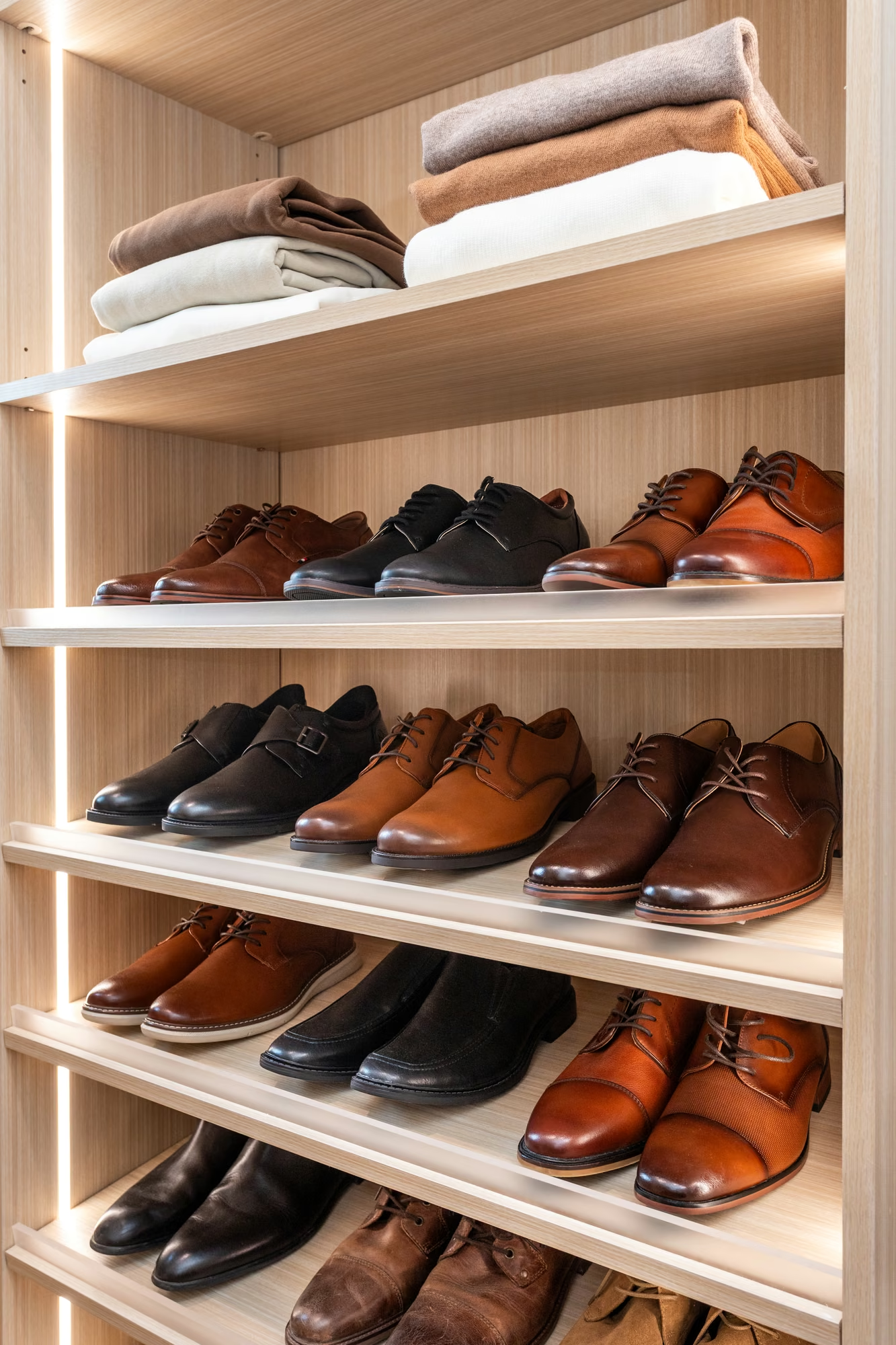
5. A Dedicated Shoe Wall
Slanted shoe shelves, spaced about 8" apart and 6" deep, hold everything from flats to sneakers face-forward. You see the whole collection at a glance, instead of getting down on the floor and digging through a pile with both hands to find the other half of a pair you swear was right here.
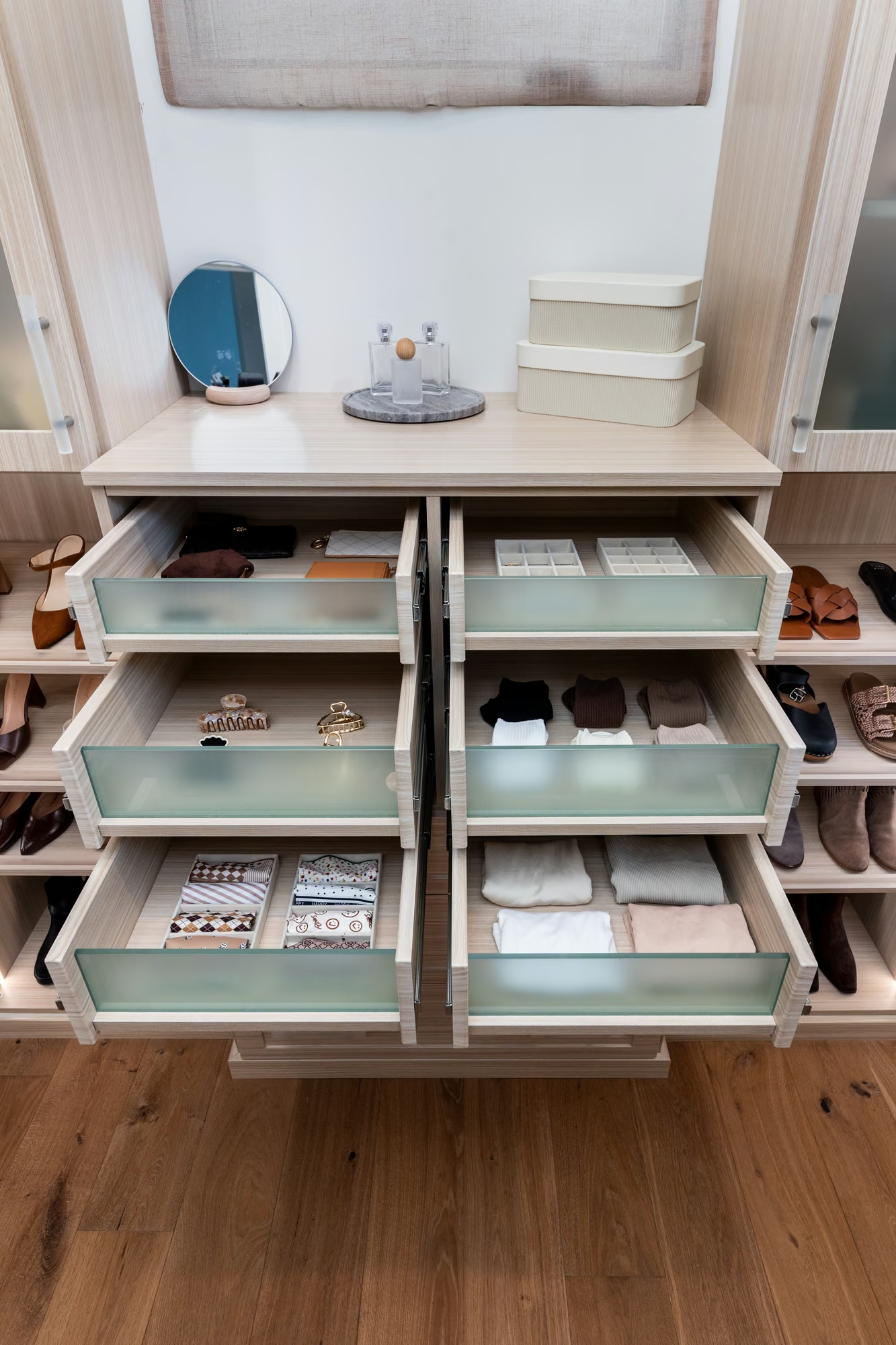
6. Built-In Jewelry and Accessory Drawers
Felt-lined drawers with tiered inserts keep necklaces from tangling into one solid knot and earrings from going permanently single. A single 24"-wide drawer bank solves a mess that otherwise spreads across an entire dresser top until the bathroom counter turns into a search party every morning.
7. A Full-Length Mirror and Dressing Nook
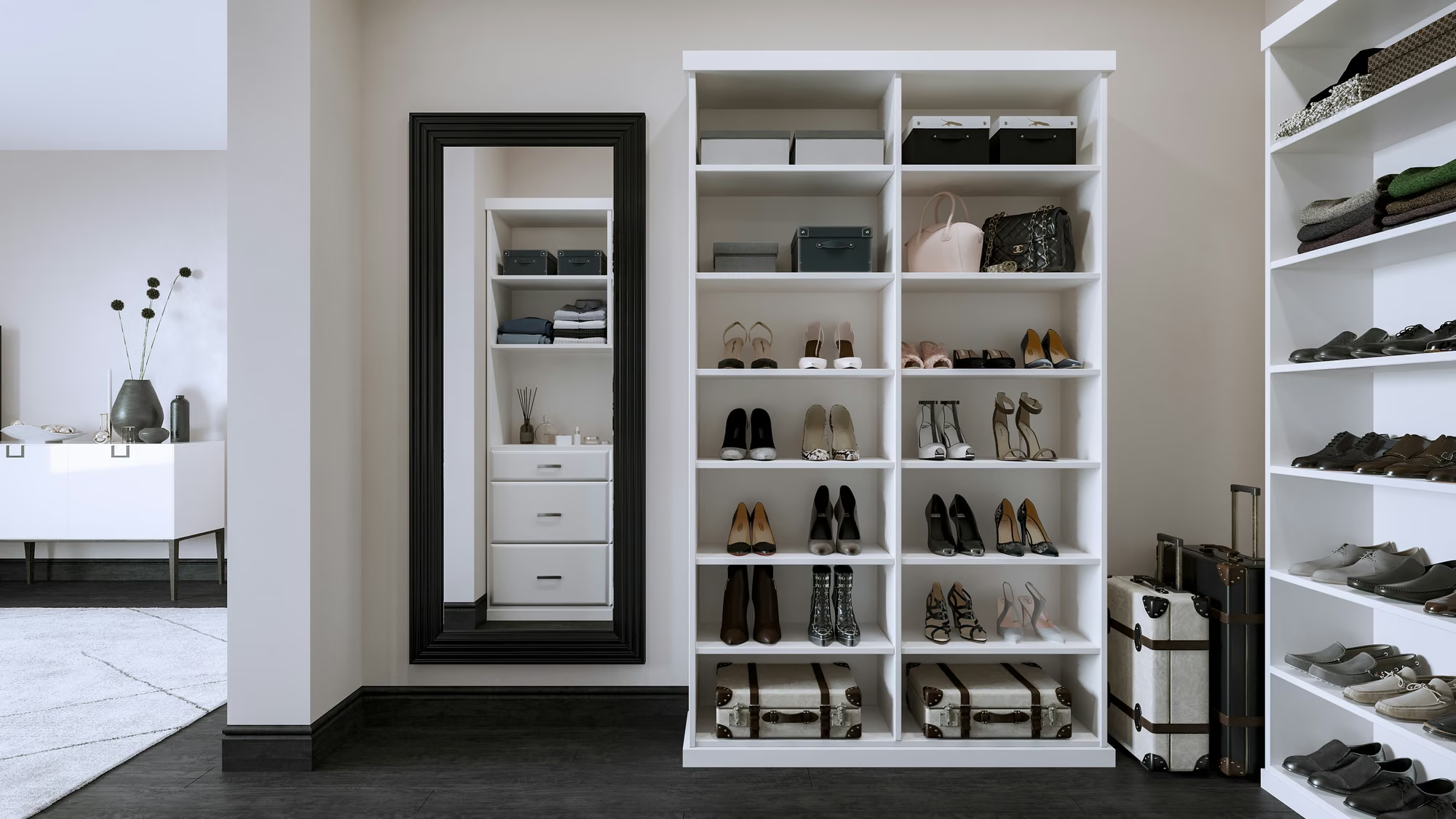
Mount a mirror on an end panel and add a small bench or ottoman, and the closet stops being a room you visit twice (once to grab clothes, once to put them back) and becomes the place you actually get dressed. Same square footage, one more job well done.
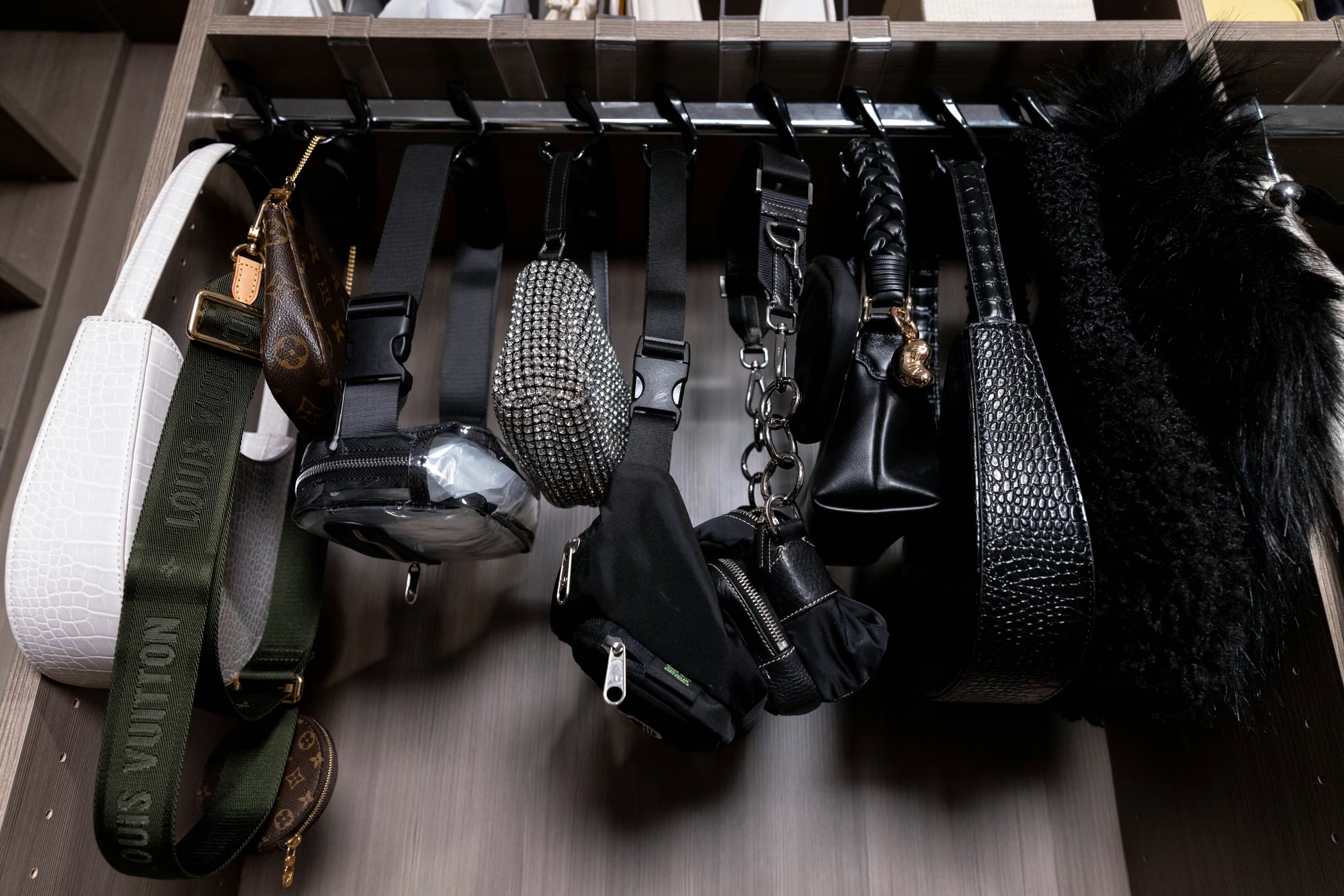
8. Pull-Out Racks for Belts, Ties, and Scarves
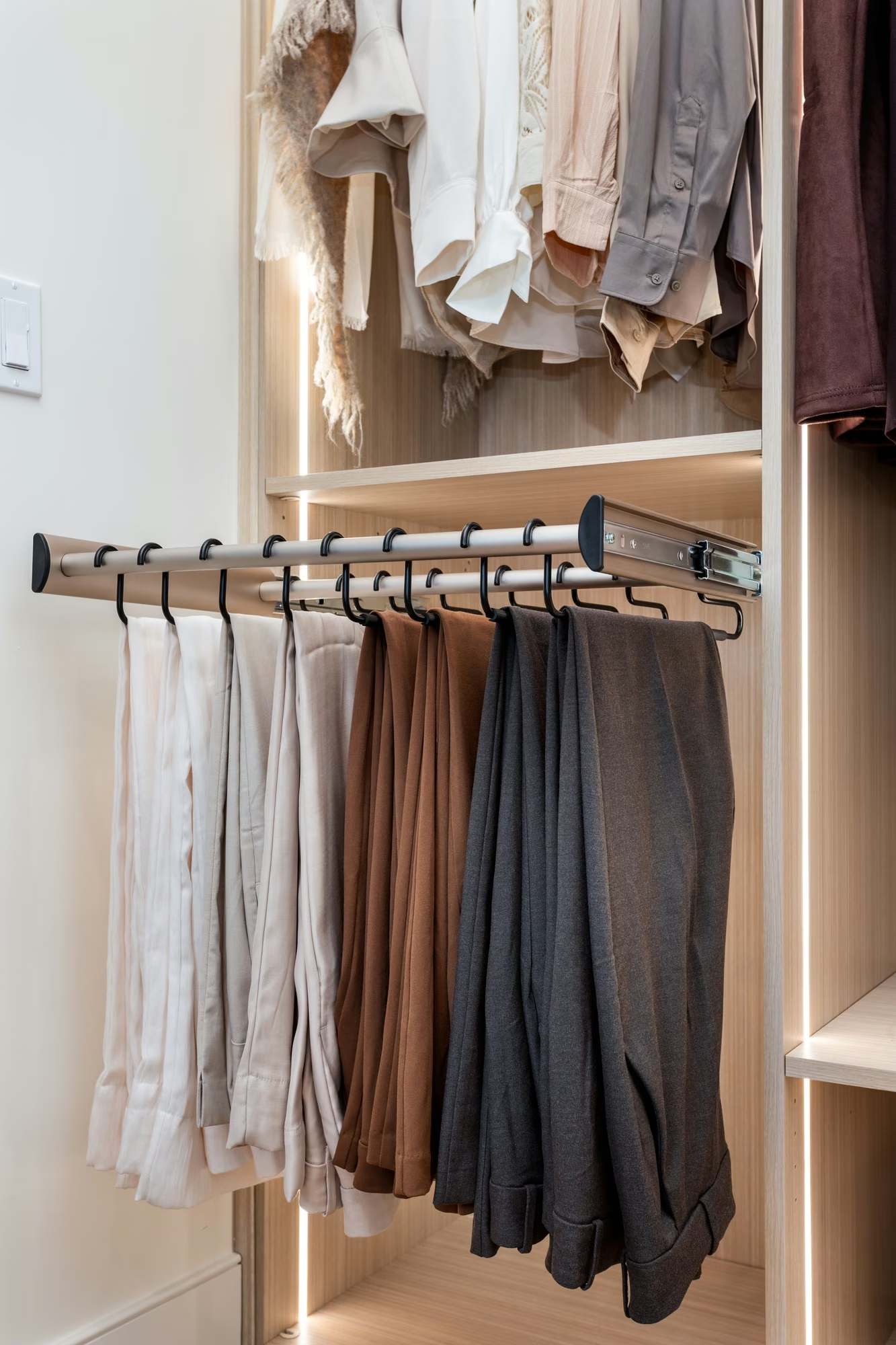
Vertical pull-out racks mounted to a side panel hold two dozen accessories in about 6" of width. Inch for inch, it's one of the highest value upgrades you can make to a walk-in: small footprint, outsized storage.
9. Layered Closet Lighting
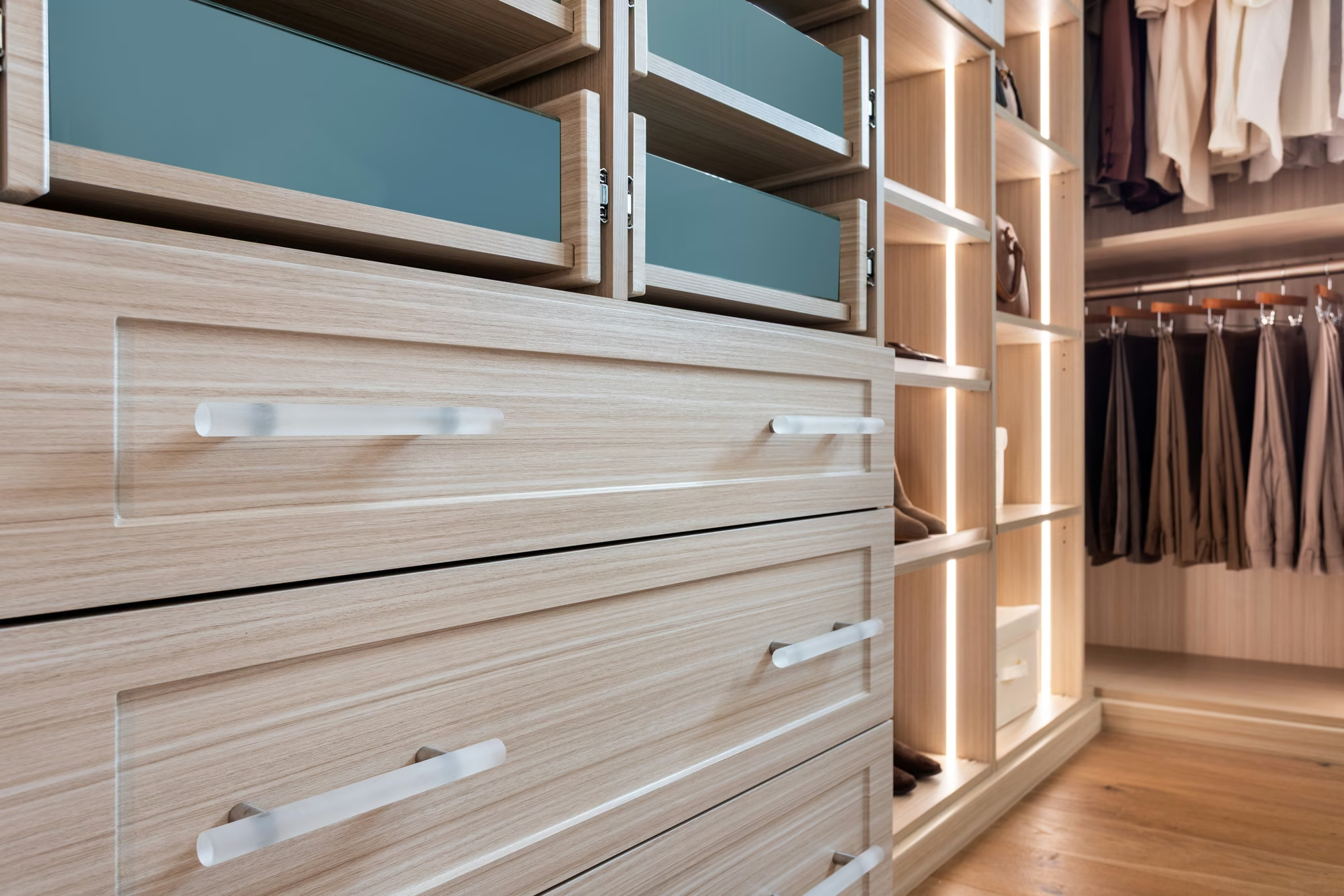
LED puck lights inside drawers and under shelves, plus a motion-sensor overhead fixture, mean you can tell navy from black at 6 a.m. without squinting. Lighting usually gets filed under decoration, but in a closet its function: the difference between a fast morning and "I can't find it."
10. A Seasonal Rotation Cabinet
Enclosed upper cabinets with doors keep off-season coats and holiday sweaters dust-free and out of sight, while open shelving stays reserved for what you actually wear each week. Swap contents twice a year, and the closet never has to hold more than it needs to at once.
Reach-In and Small Closet Organization Ideas | Ideas 11-20
If you live in a California apartment, your reach-in closet probably isn't a supplement to your storage. It's the entire plan. No basement, no attic, no garage to dump the overflow into, so that 24"-30" deep, 5-6-foot-wide box has to hold everything you own. Good news: it's got more to give than you think it does.
11. Double Hang Rods
Add a second rod about 40" below the existing one to split the closet into short-hang (shirts, folded pants) and a full-height section for dresses. In a standard reach-in, this typically adds 6-8 linear feet of hanging space, with zero new walls.
12. Door-Mounted Storage
The back of a hinged closet door is unused real estate in almost every reach-in. An over-the-door rack holds a dozen pairs of shoes or a season's worth of accessories without eating interior space. (Works on hinged doors only; bifold, sliding, and barn doors don't give it anything stable to hang on.)
13. Shelf Risers and Stackers
The 10"-12" gap between a shelf and whatever's sitting on it is usually wasted air. Stackable risers turn one shelf into two, which matters enormously when you've only got two or three shelves to work with in the first place.
14. Slim Velvet Hangers
Swap the wire hangers from the dry cleaner (all bent at odd angles) and bulky plastic hangers for slim velvet ones, and you can reclaim 2-3 inches of usable rod space per foot. In a 5-foot closet, that's often the whole gap between "tight" and "fits everything," no construction required.
15. Vacuum-Sealed Bags for Off-Season Items
Without a garage or basement to store winter coats in July, vacuum-sealed bags are the honest workaround. They compress bulky items down to a fraction of their size, so the closet isn't stuck holding a full year of wardrobe at once. You can also slide them under your bed to reclaim even more space in your closet during warmer months.
16. Vertical Storage Just Outside the Closet
When the closet itself physically can't hold the household's wardrobe (a common reality in California apartment reach-ins with no other storage in the unit), a slim wardrobe cabinet or wall-mounted shelving unit just outside the door absorbs the overflow without cluttering the room around it.
17. Corner Shelf Wedges
Reach-ins with an angled or boxed-in corner waste that triangle of space by default. It just sits there, unclaimed. An angled corner shelf reclaims it for folded items or bins that don't need to hang.
18. Under-Hang Shoe Shelving
The floor space beneath a short-hang section (anything hanging above roughly 34") is almost always empty air. A low shelf tucked underneath fits a full shoe row without competing with anything else for room.
19. A Pull-Out Valet Rod
A small rod that folds out from the side wall gives you a spot to hang tomorrow's outfit or fresh dry cleaning, a dedicated inch of space so it doesn't get buried in the main rod's daily chaos.

20. A Full Reach-In System Redesign
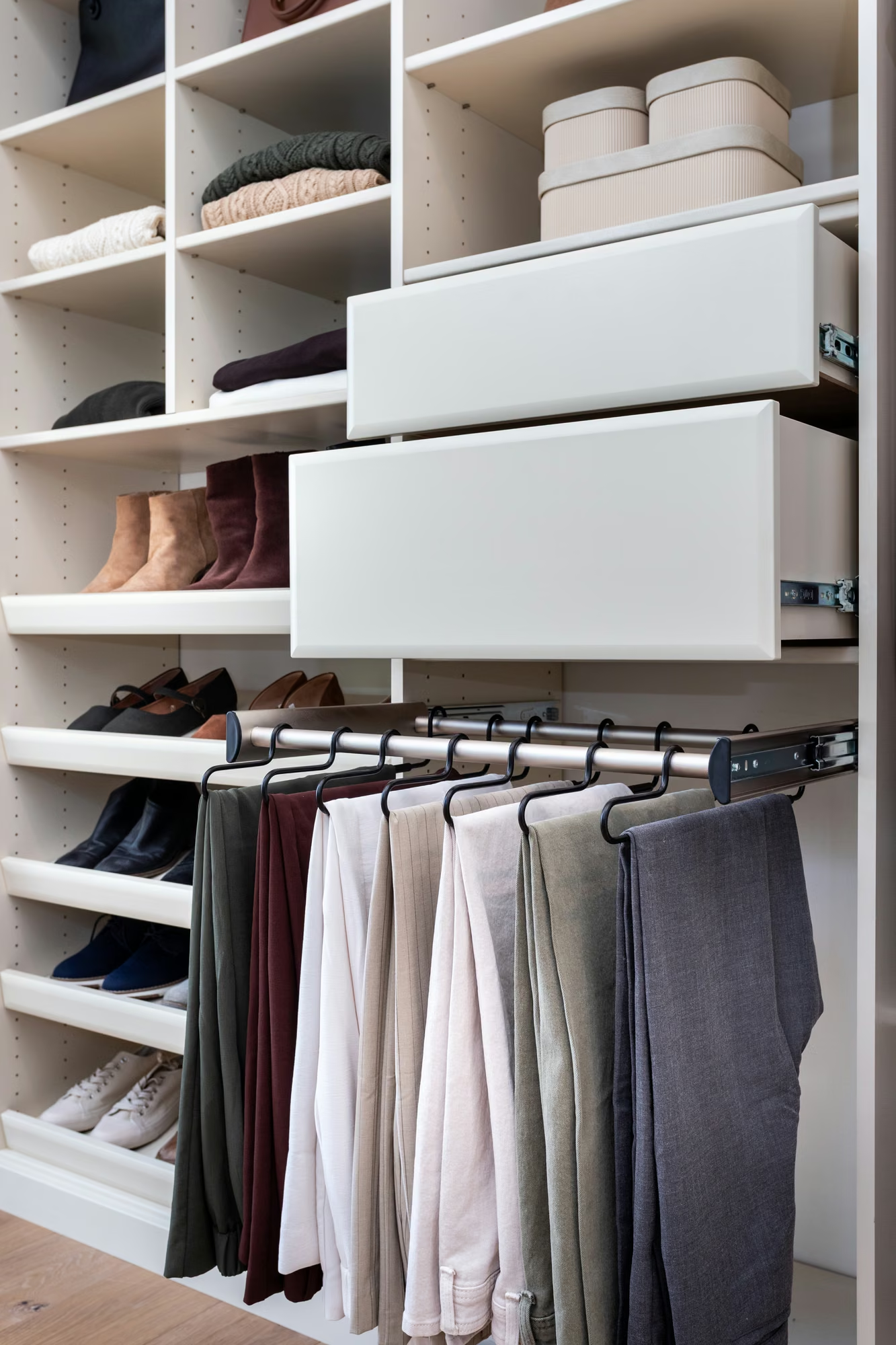
Sometimes the honest answer is that wire shelving and a single rod were never going to cut it. A custom reach-in closet system replaces the sagging shelf-and-rod combo with layered rods, drawers, and shelving engineered for your exact opening, often the single biggest capacity jump available in a small closet. Same four walls. Twice the closet. For a full room-by-room approach, our companion guide on how to organize a small closet walks through the sequence step by step.
Specialty Closet Organization Ideas: Linen, Kids, Coat, Pantry | Ideas 21-27
Not every closet holds clothes, and treating a linen closet like a bedroom closet is how you end up with a stack of pillowcases sliding off the shelf every time someone reaches for a towel. These ideas are built for the specialty closets that quietly run a household, the ones nobody designs on purpose but everybody depends on.
21. Linen Closet Shelf Spacing
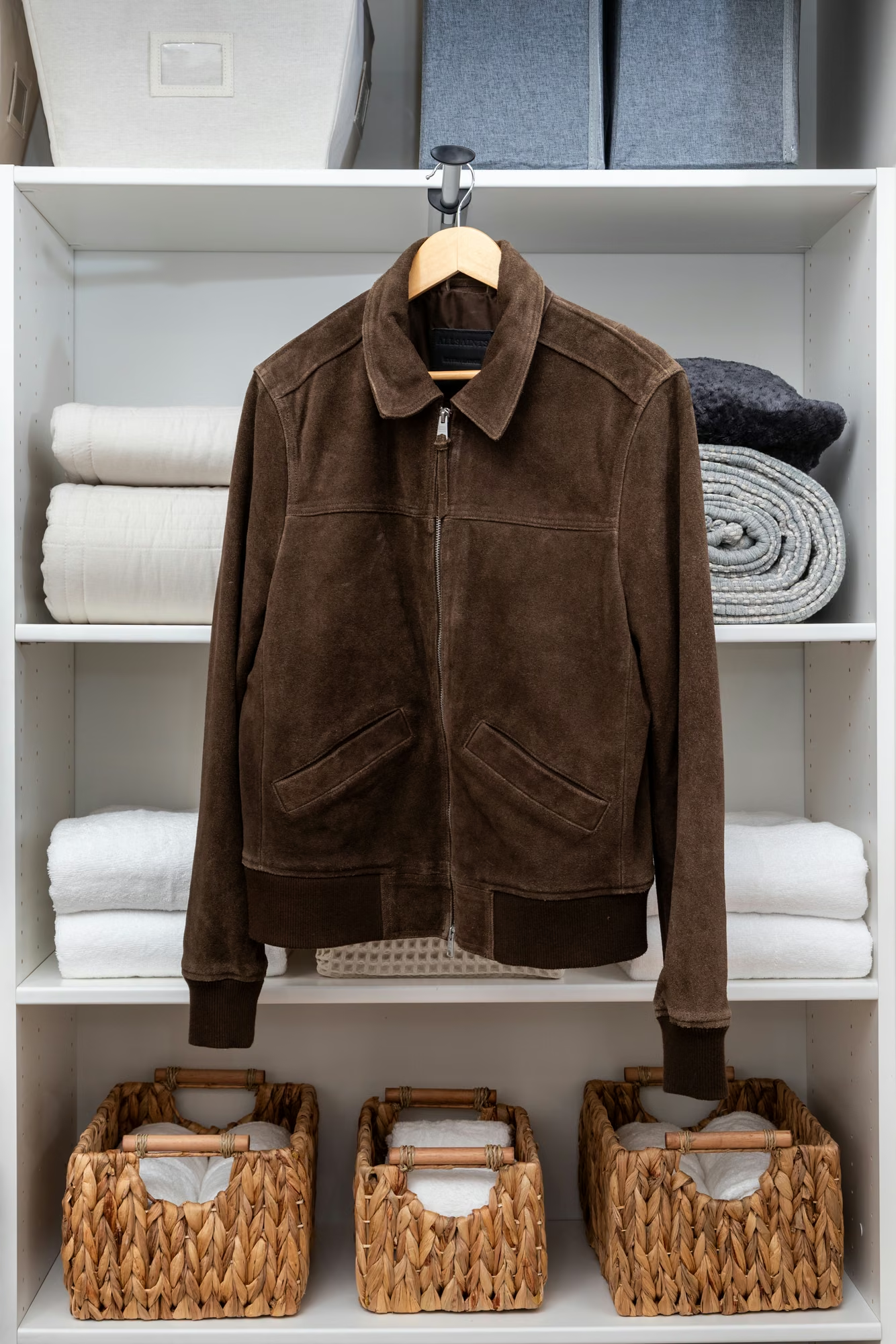
Space shelves 12"-16" apart instead of the standard 14"+ builder spacing and give each shelf one job (sheets on one, towels on another). Label bins by size or bedroom so anyone in the house can put laundry away correctly, not just the one person who memorized the system.
22. Rolled Towel Storage
Rolling bath towels vertically instead of folding them flat lets you see and grab exactly what you need and typically fits 20-30% more towels into the same shelf footprint than flat stacks. Same shelf. More towels.
23. Kid-Height Hanging Rods
Install a rod at 30"-40" off the floor, low enough for a toddler or early-elementary kid to reach, and choose an adjustable rod bracket you can raise as they grow instead of re-installing hardware every couple of years.
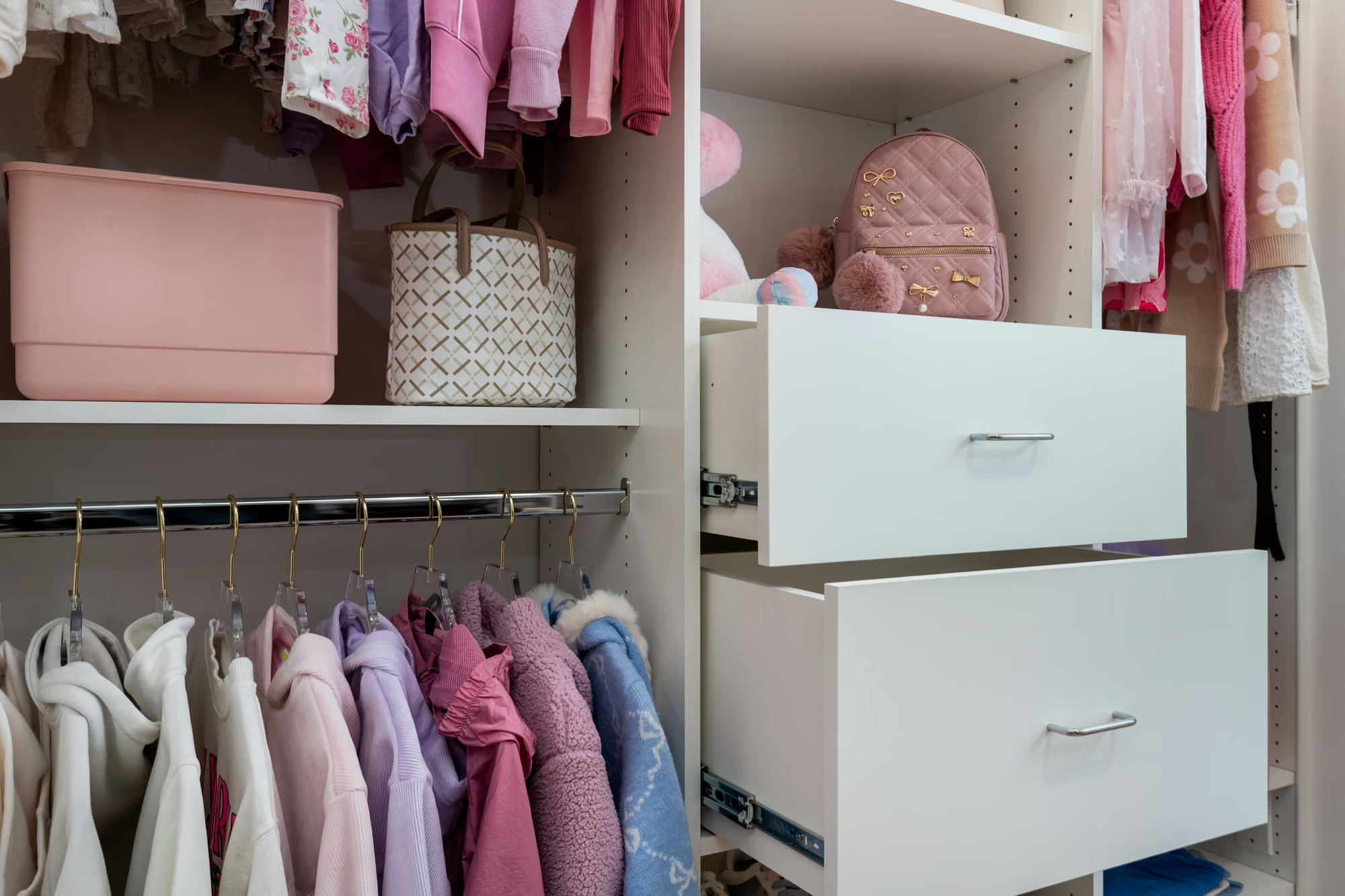
24. Picture Labels for Kids' Bins
Labeling bins with a picture of the contents, not just a word, lets pre-readers put toys and clothes away themselves. It's a small detail that saves you from being the only person in the house who knows where anything actually goes.
25. A Coat Closet Mudroom Zone
Hooks at two heights (adult and kid), a boot tray, and a small shelf with bins for hats and gloves turn a coat closet into a real entry system. No more growing pile of jackets on the nearest chair.
26. Pantry Zones by Frequency of Use
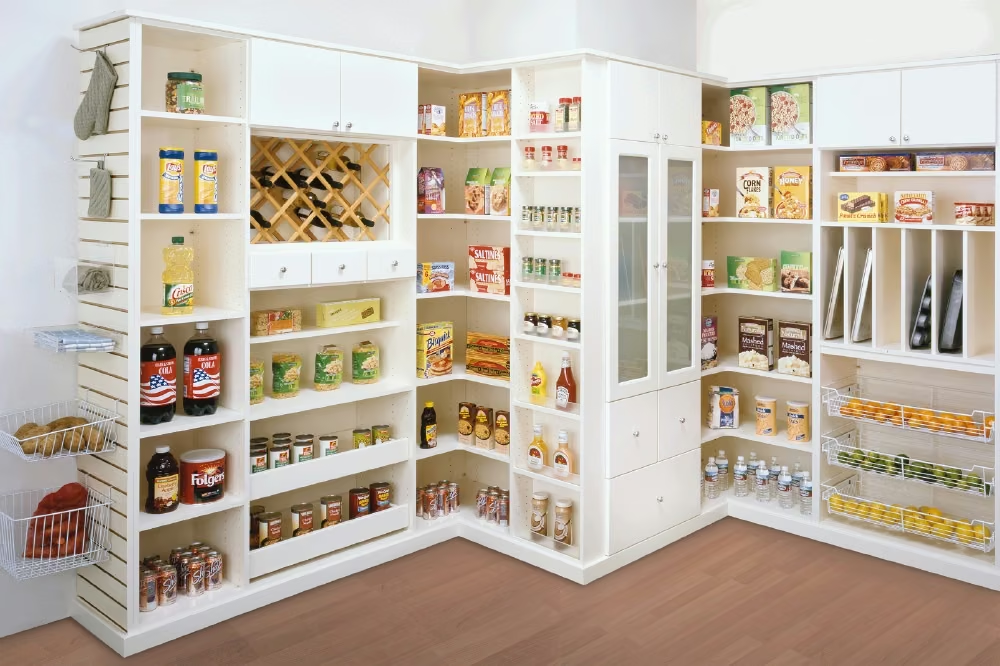
Put what you reach for daily (cereal, snacks, coffee) at eye level and reserve the top and bottom shelves for bulk items, small appliances, and the three cans of something you bought during a recipe phase two years ago. Clear bins and labels keep the zones from drifting back into chaos within a week, because left alone, they will.
27. Pantry Door Storage
A shallow door-mounted rack for spices, foil, and canned goods uses the one surface most pantries waste entirely. It's the equivalent of adding an extra shelf without giving up a single inch of floor space.
Why Isn't Organizing Alone Enough? | Ideas 28-30
Because a single rod and one wire shelf were never built to hold the volume of a modern wardrobe. No folding technique or storage bin fixes a closet that's structurally too small for what you own.
28. Name the Real Problem: It's Capacity, Not Clutter
If you've tried risers, bins, and zones and the closet still overflows some mornings, and you're standing there holding two hangers, quietly negotiating whether that shirt could go a third day, that's not a discipline problem. That's a design problem.
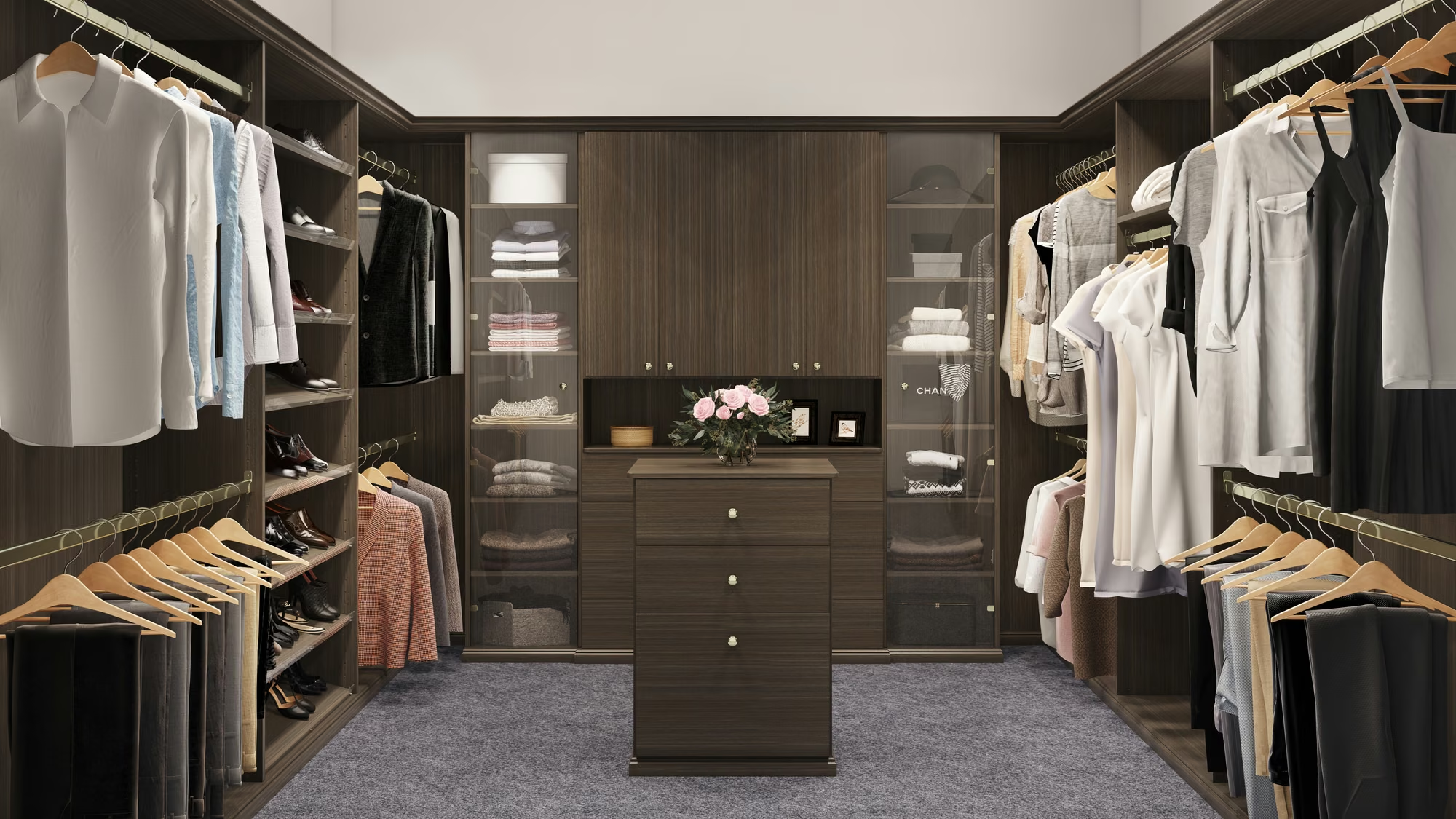
29. A Custom System Built Around Your Actual Wardrobe
Instead of organizing around off-the-shelf shelving, a custom closet system is designed around what you actually own (how many hanging items, how many pairs of shoes, how many drawers of folded clothes) and built to fit your exact opening, down to the inch. That's really the whole idea behind going custom: instead of squeezing your wardrobe into a box that was never sized for it, the closet gets built around the life you actually live. Same place. More space.
30. A Free In-Home Design Consultation
Every custom system starts with someone measuring your actual space, not guessing from a floor plan. We design and manufacture locally in California, then install to the exact measurements of your closet, no gaps, no wasted inches, no one-size-fits-all sizing. If you've hit the ceiling of what bins and hooks can do, book your FREE in-home design consultation and find out what your space could actually hold. Nobody here wants you on the floor at 6:40 in the morning digging for your sweater.
A Couple of Quick Answers
The two questions we hear most, no sales pitch attached:
What's the fastest way to organize a closet on a budget? Start with what's free: empty the closet completely, sort into keep/donate/toss, and put back only what you actually wear. Add slim hangers and a shelf riser or two before spending on anything else. Those two changes alone often reclaim 20-30% more usable space without a single tool.
How often should I reorganize my closet? Twice a year, tied to seasonal swaps, is usually enough for most households (once in spring, once in fall), with a quick 10-minute tidy-up monthly to keep zones from drifting back into chaos.
Whether you've got a walk-in with room to spare or a California apartment reach-in doing double duty as your only wardrobe storage, the right mix of these ideas will get most closets most of the way there. And if you make it through this whole list and your closet is still fighting you, that's a design problem, not a you problem, and making more of the space you already have is what we've been doing since 1991. Same place. More space.