








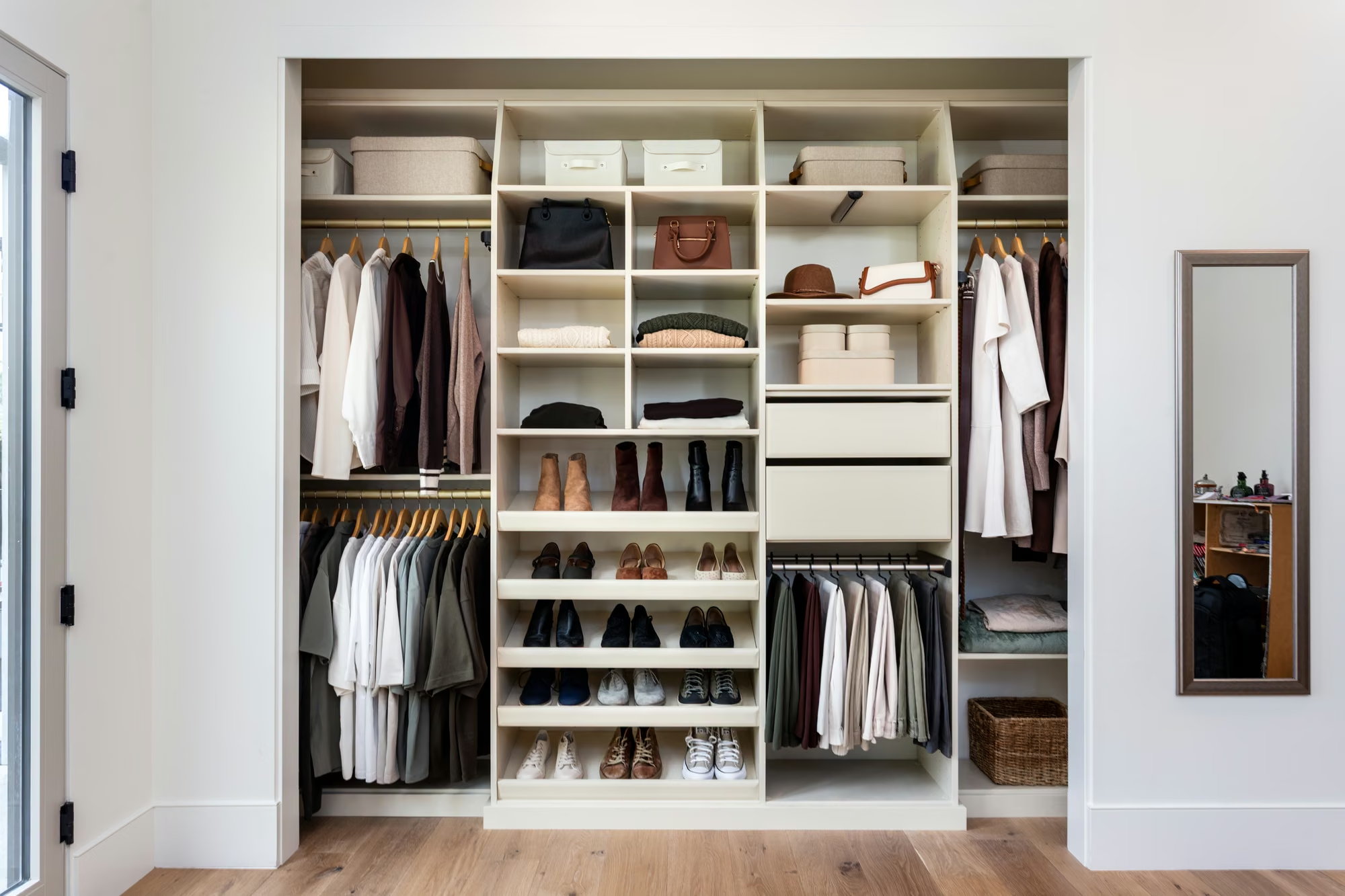
A small closet is not a moral failing. It's a math problem.
If you're here, it's probably because you opened the closet door this morning, looked directly at the one shirt you wanted to wear, and watched it stay pinned behind a coat you've owned since a wedding you can barely remember attending.
Or you have one specific item, a green cardigan, a phone charger, a single ballet flat, that has never once actually lived inside the closet. It lives in a laundry basket, then on a chair, then briefly folded on top of the dresser, before it wanders back to the basket like it's got somewhere better to be.
That's not you. That's a closet that ran out of room years before you ran out of things to put into it.
We've learned over the years that staying organized often has nothing to do with willpower. Most small closets have inches of unclaimed space hiding in plain sight, behind the door, above the rod, in that dead corner nobody plans for. The space is there, it's just not being used effectively.
The answer to this math problem? Here's the short version. To organize a small closet, measure it accurately, cut your wardrobe down to what you actually wear, then match your storage solution to the closet's exact width and depth. Do that in order, and most small closets gain 30-50% more usable space. We've installed closet systems across California since 1991. Here's the exact process, step by step.
How to Organize a Small Closet: Start Here Before Buying Anything
Before you buy a single bin or hanger, do three things first, skip them and you'll be organizing the same crowded closet again in six months.
How do you measure a small closet before organizing it?
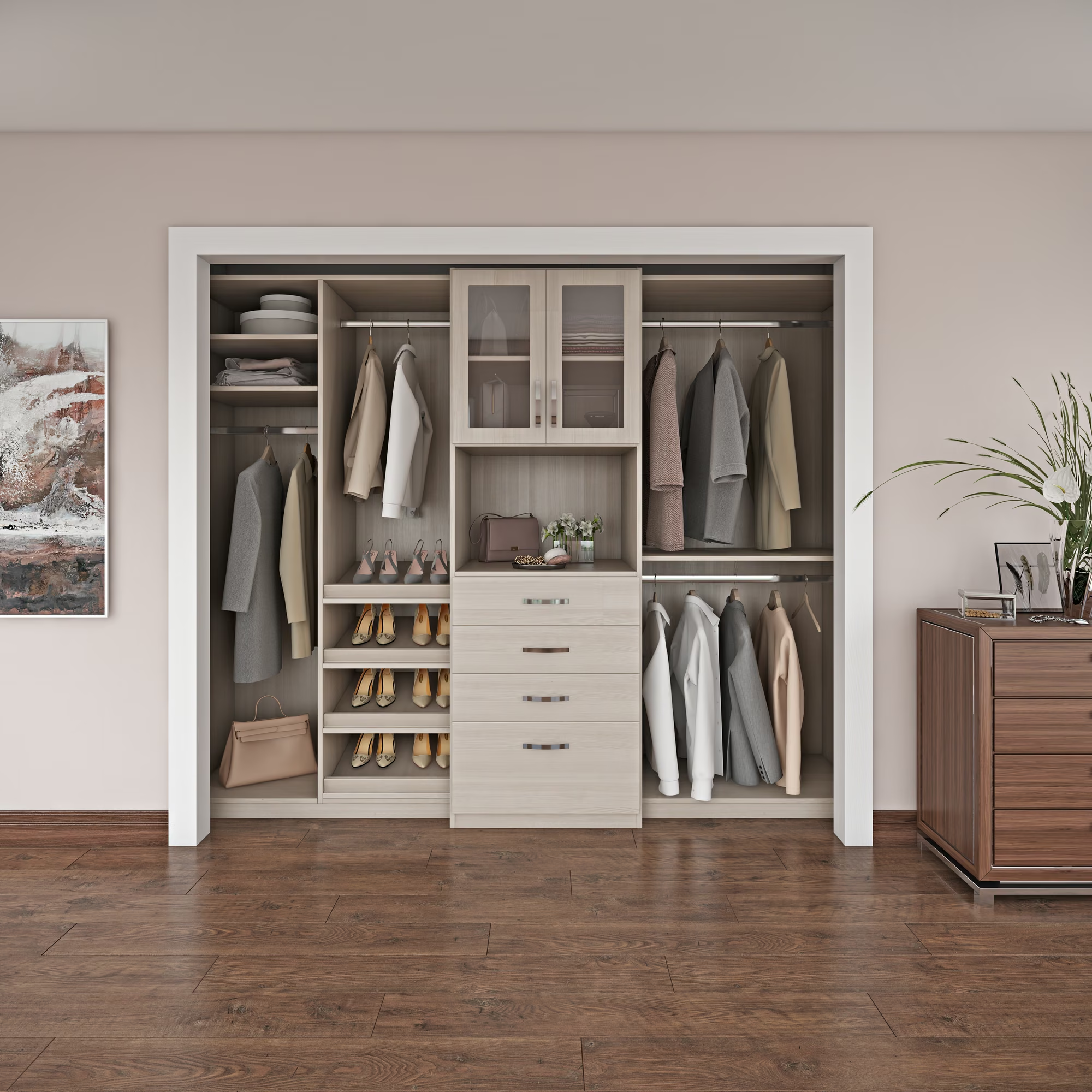
You need three numbers: width, depth, and height (floor to shelf, and shelf to ceiling). These three numbers are what unlock everything else in this guide, so grab a tape measure before you do anything else.
Depth is the number most people skip. A standard reach-in closet is 24 inches deep, enough room to hang clothes facing forward with clearance for the door to close. Closets shallower than 22 inches force clothes to hang at an angle, wasting width you don't have to spare.
Width is where "small" actually gets defined. Based on NAHB (National Association of Home Builders) housing data and what we see on jobs every week, California apartment reach-in closets typically run 36 to 48 inches wide at a 24-inch depth. That's the single most common small closet in our market.
A rough guide to what each width can hold:
- Under 36 inches wide: Tight reach-in. Every inch of hanging space counts.
- 36-48 inches wide: The classic California apartment closet. Room for a double-hang zone if you plan it right.
- 48-60+ inches with an L-shape or corner: Not actually "small," just underused, usually because of dead corner space nobody's designed around.
Write those three numbers down. They decide what fits below.
Declutter Before You Organize
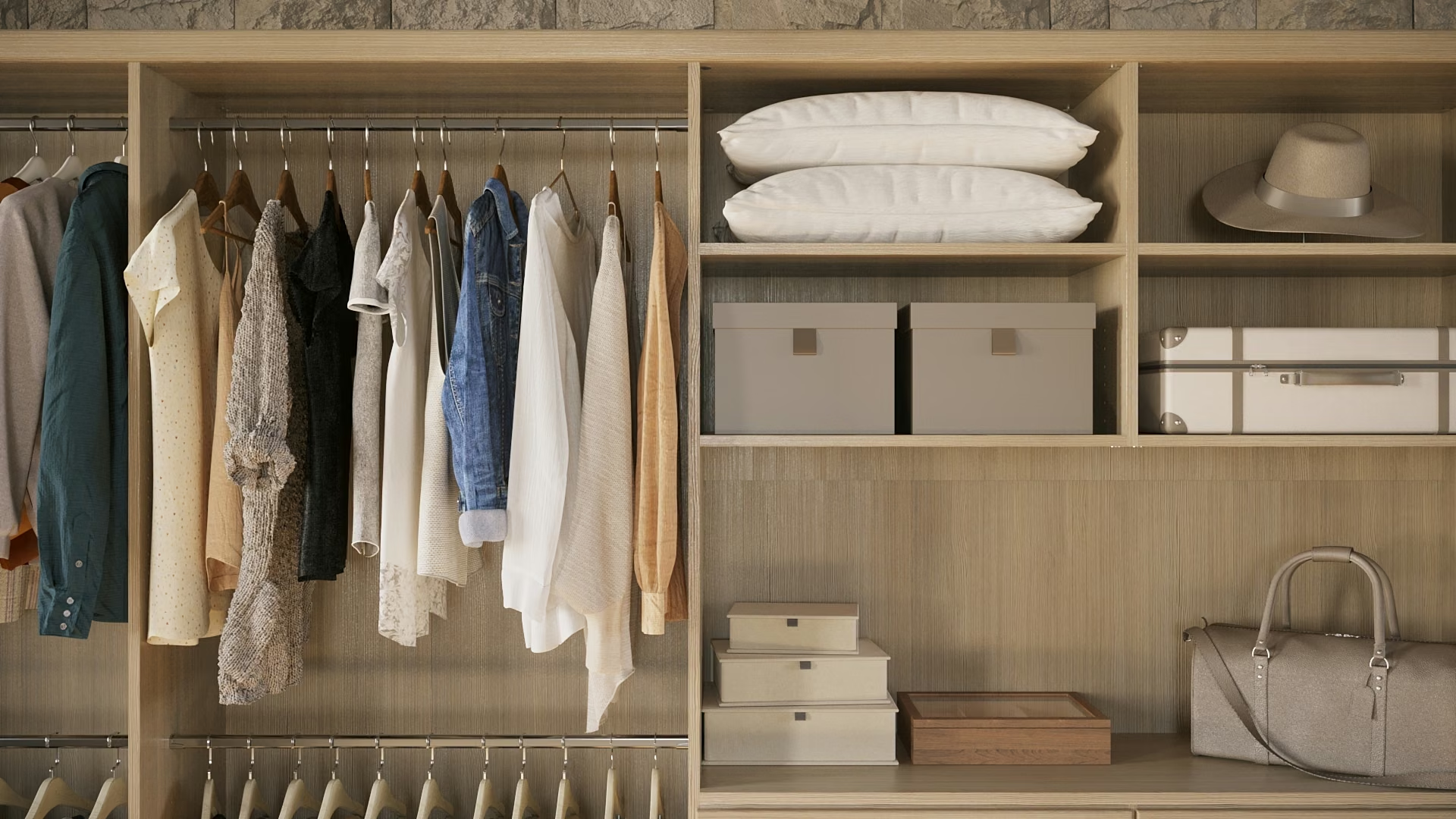
You can't build more space out of a volume problem, only reclaim it. If your closet holds 40 hanging items and you own 90, no bin, hook, or divider changes that math. The fix isn't a better system, it's fewer things asking that system for a home.
The National Association of Productivity & Organizing Professionals (NAPO) recommends a simple gut check: if you haven't worn it in 12 months and it's not genuinely seasonal or sentimental, it goes. In our experience across 30+ years of California closets, most people actively wear about 20% of what's hanging there, the other 80% is inventory, not wardrobe.
Sort into three honest piles: keep, donate, and "I'll deal with this later." That "later" pile has never once sorted itself while you slept, so give it a hard deadline (this weekend works).
Sort by Use, Not Category
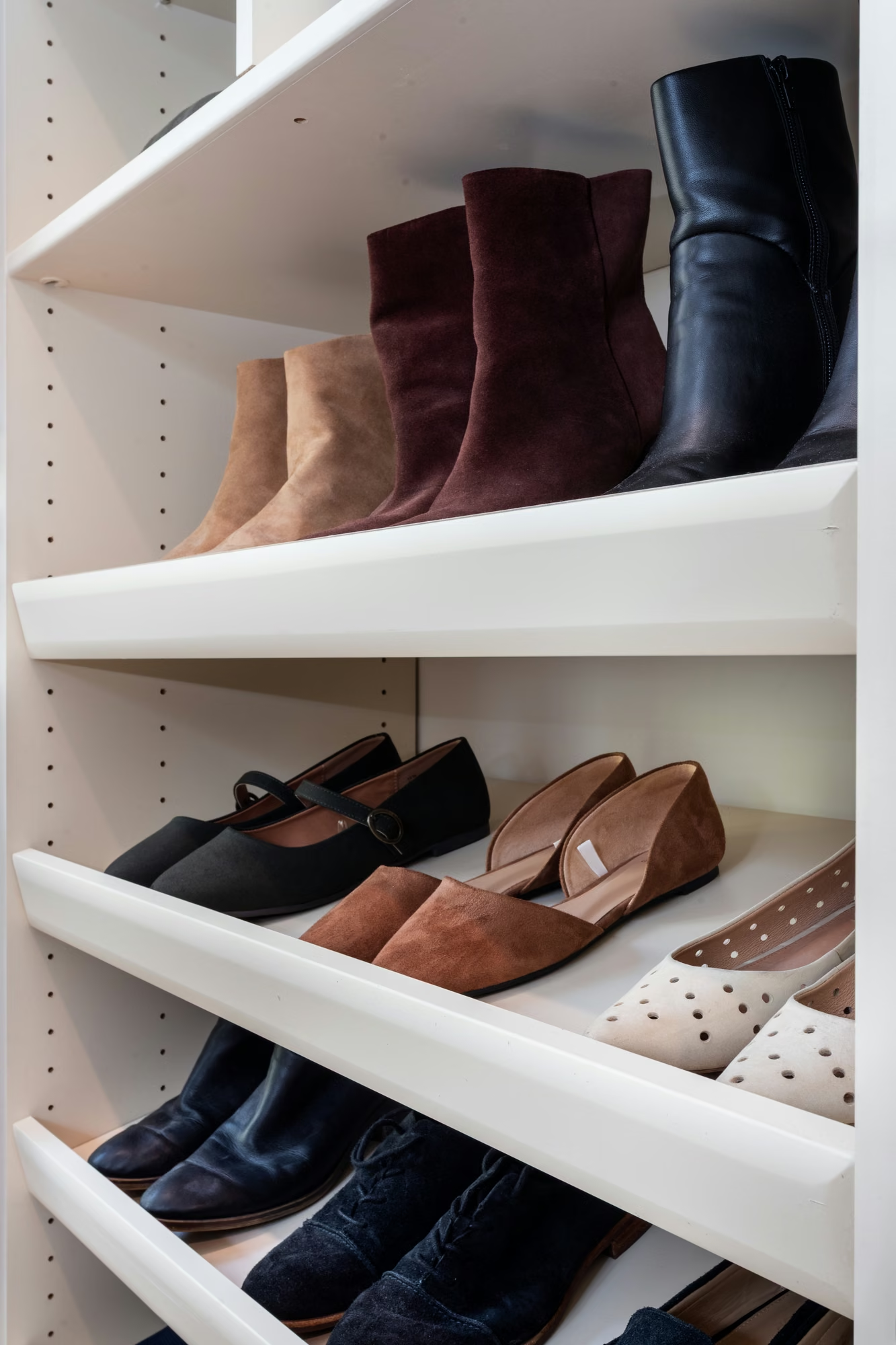
Most organizing advice says group by category. Fine, but it's the wrong first cut for a small closet. Sort by how often you touch it first:
- Daily rotation: what you wear weekly, at eye level and easy arm's reach
- Seasonal: what waits six months at a time, goes up high or in bins
- Occasional: event wear, goes wherever's left, since you're not grabbing it at 7 a.m.
Sort within those three zones by category next, that's what makes a closet click, not color-coordinated hangers.
Small Closet Organization Ideas by Closet Type
Grab those measurements; they tell you how much more this closet can hold.
Shallow Reach-In Closets (36 Inches and Under)
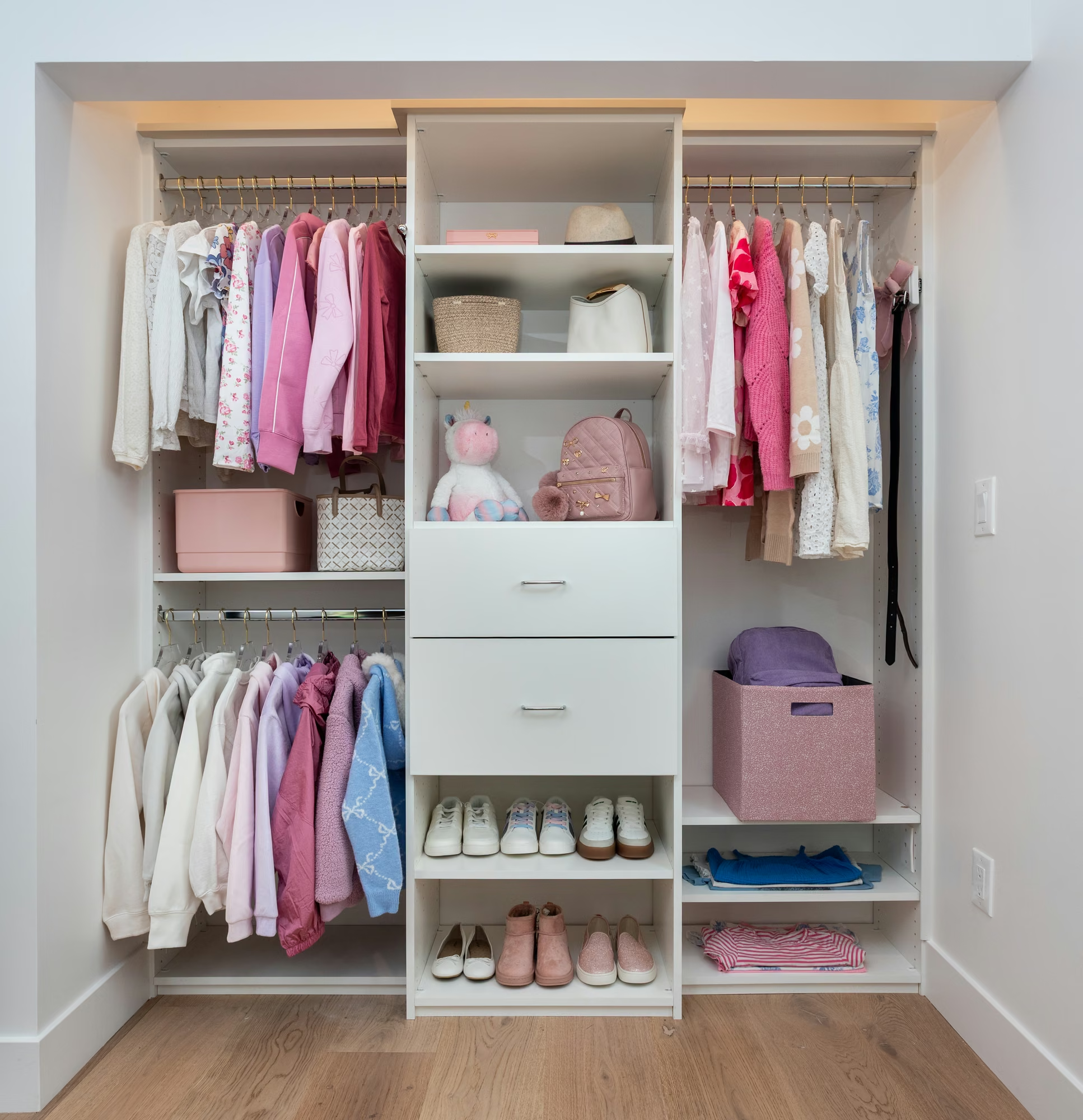
This is the tightest configuration, and it rewards precision over gadgets.
- Double-hang it. Split the rod into an upper hang (around 80-82 inches high) for shirts and folded pants, and a lower hang (around 40 inches) for skirts and short items, roughly doubling hanging capacity on the same wall.
- Swap wire or wood hangers for slim velvet ones. A standard wood hanger eats about 1.5 inches of rod space versus 0.5 inches for a slim one, the difference between hanging 24 items and 60-plus on a 36-inch rod.
- Use the door. An over-the-door rack handles shoes, accessories, or a laundry bag, free real estate you're already walking past.
- Add a shelf above the rod. Most builder-grade reach-ins waste the top 12-18 inches of vertical space. A single shelf turns dead air into off-season storage.
Narrow Closets (36-48 Inches, the Common California Reach-In)
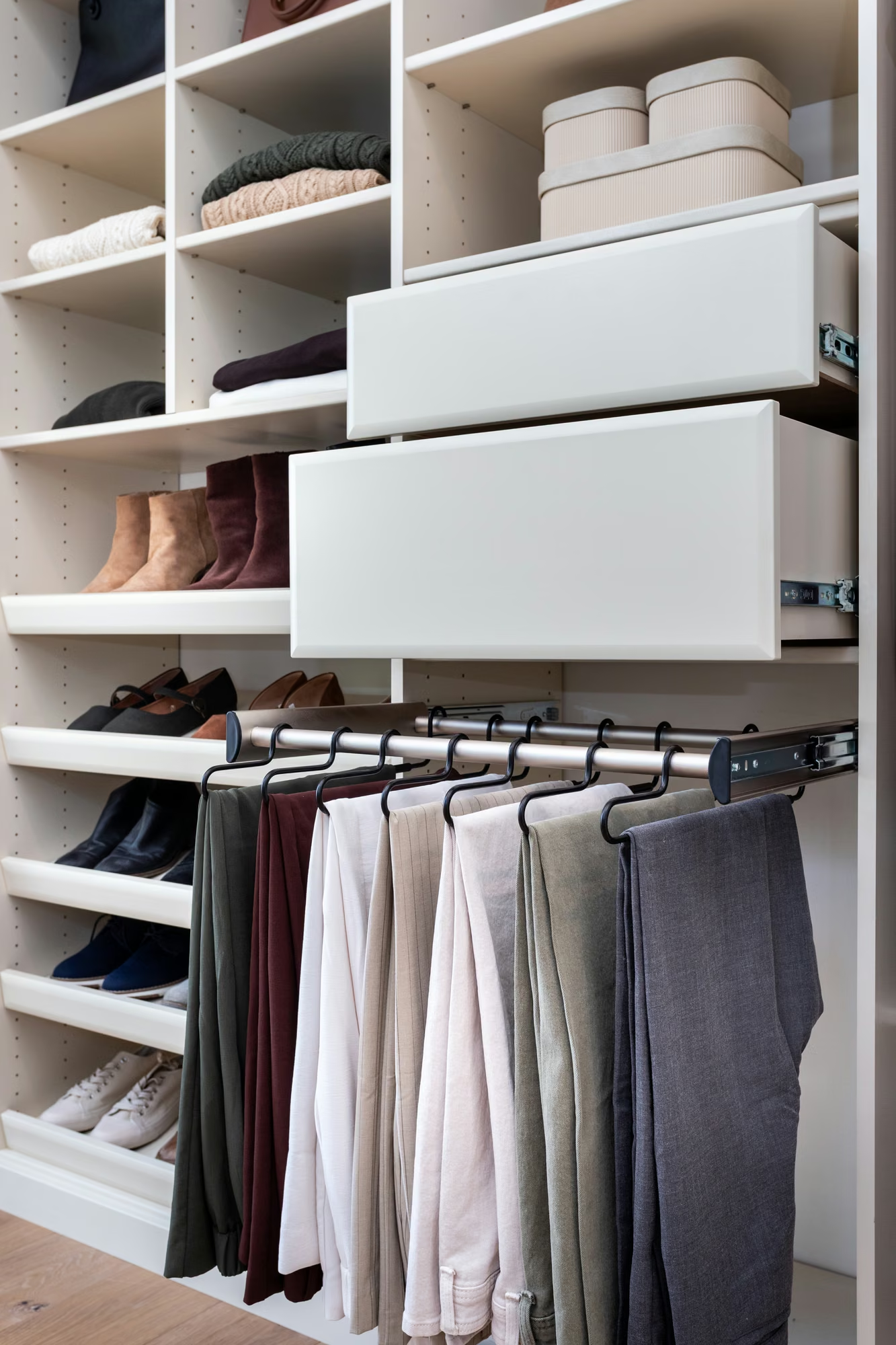
This is the width most CA apartment dwellers are working with, and it's got more room than people give it credit for.
- Split the width, not just the height. A 42-inch closet can comfortably run a double-hang section on one side and a shelf-and-drawer tower on the other.
- Build vertically, all the way to the ceiling. Most reach-ins only use the bottom 6 feet of an 8-foot opening. Add stacked shelving above the rod for bins, luggage, or extra linens.
- Drawer inserts beat stacked bins. Sliding drawers for folded knits, workout gear, or intimates keep everything visible, so you're not digging through a stack of bins to find something specific.
Deep Closets with Dead Corner Space

If your closet is deep (24+ inches) but L-shaped or has a corner that swallows anything you put in it, the fix isn't more stuff, it's smarter access to space that's already there.
- Add a second rod perpendicular to the main one to catch corner width a straight rod can't reach.
- Use corner-specific shelving angled at 45 degrees instead of square shelves that leave dead space in the back corner.
- Keep the deepest, hardest-to-reach zone for the occasional pile. The stuff you touch twice a year doesn't need prime real estate.
The Best Space-Saving Solutions for Small Closets
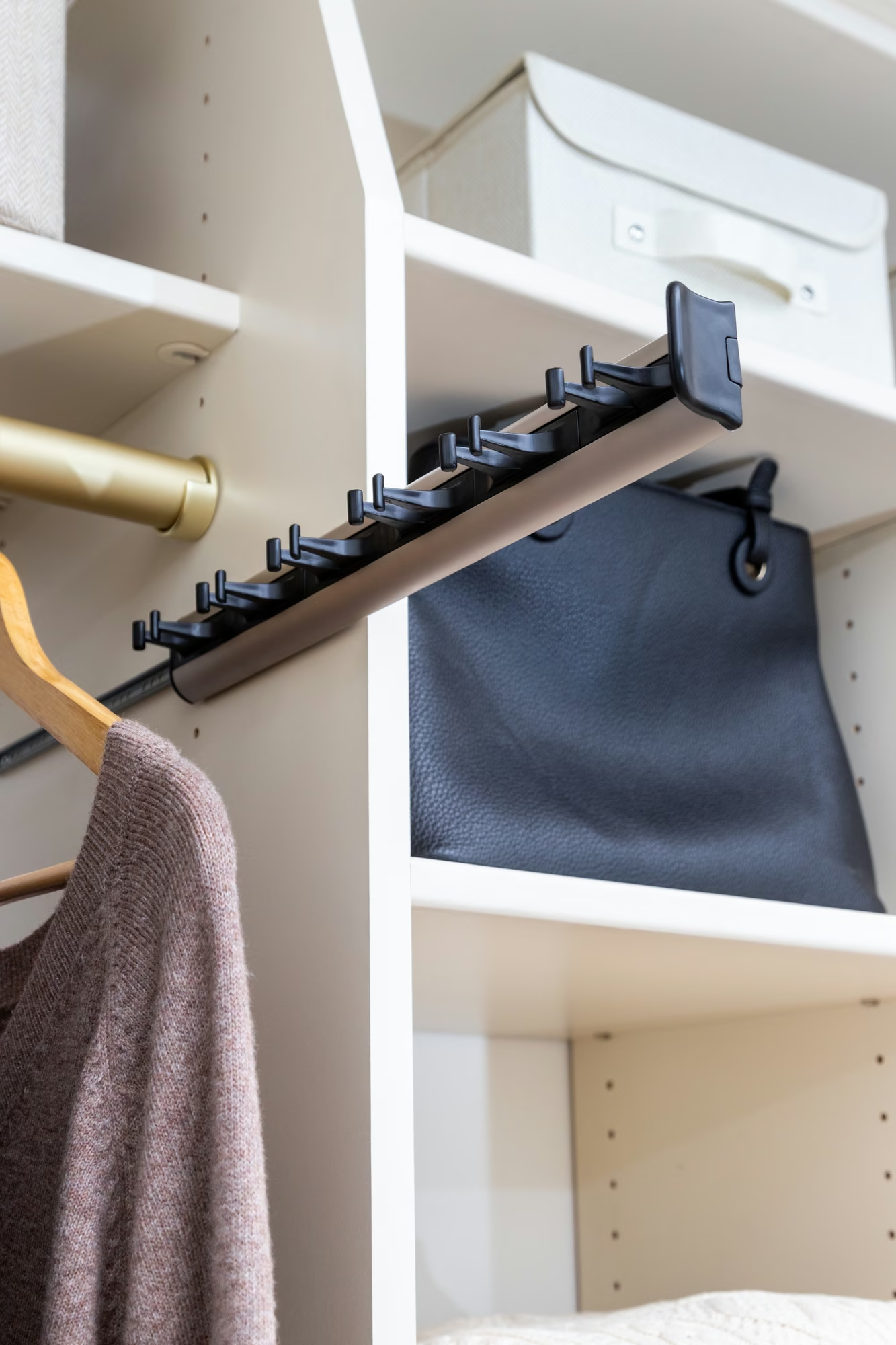
A few upgrades pay off in almost any small closet:
- Slim, matching hangers: the single highest-ROI swap for hanging capacity.
- Shelf dividers: stop folded stacks from avalanching every time you pull a sweater from the middle.
- Vertical space to the ceiling: the most underused real estate in almost every closet we've measured.
- Labeled bins for rotation: seasonal swaps take 15 minutes instead of an afternoon.
- Hooks for the "no home" items: bags, robes, tomorrow's outfit, anything currently living on a chair because the closet never gave it a place.
If the whole apartment is working against you, not just the closet, our guide to space-saving solutions for tiny apartments goes deeper on the rooms around it.
What if you've organized everything and your closet still isn't big enough?
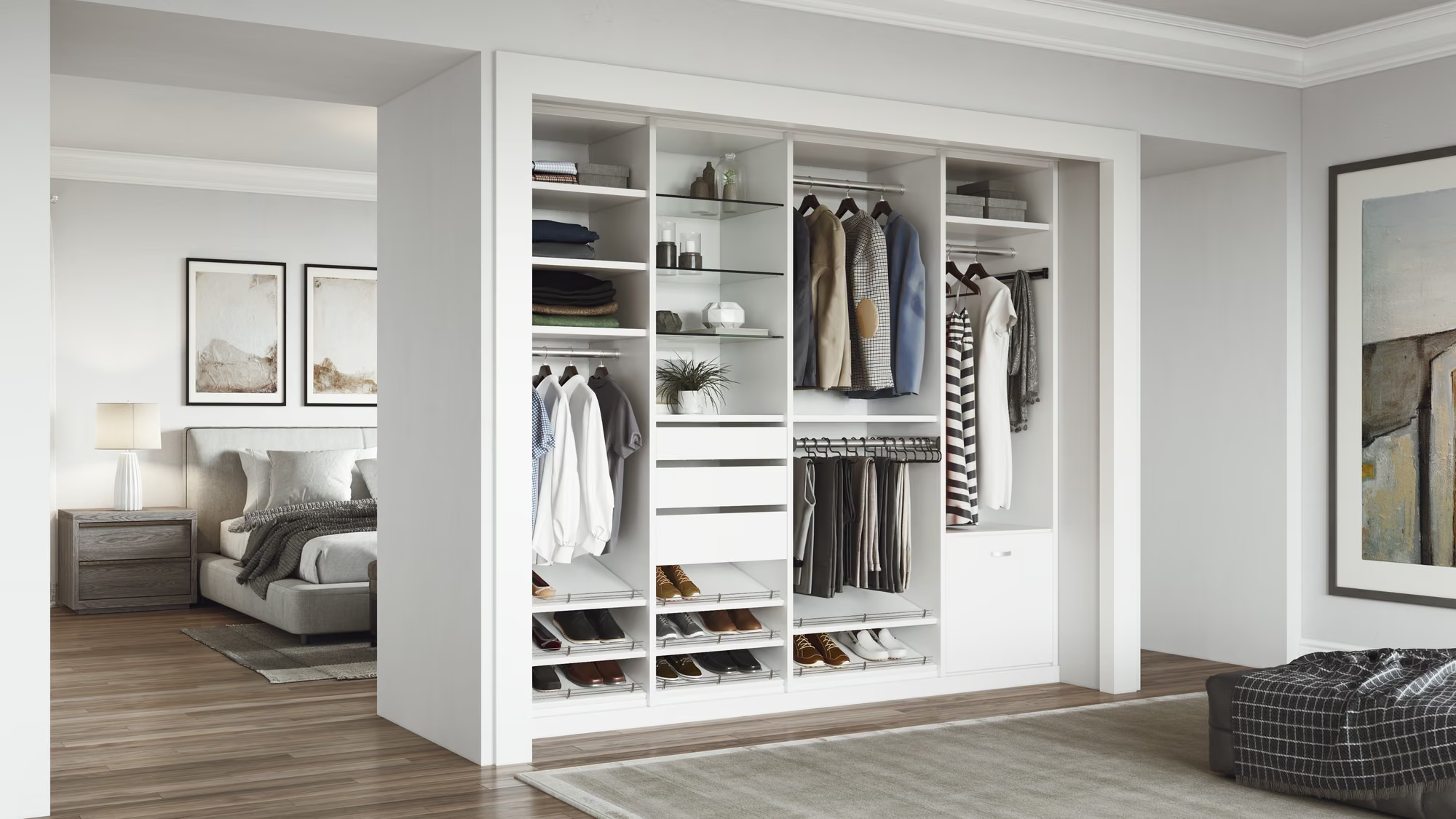
Sometimes the honest answer is that organizing isn't the problem anymore. The closet itself has hit a hard capacity ceiling that no amount of clever bin-stacking is going to raise.
Here's how to tell the difference between "organize better" and "need an actual system."
Quick Answer: How do I know my closet just needs a real system, not more organizing?
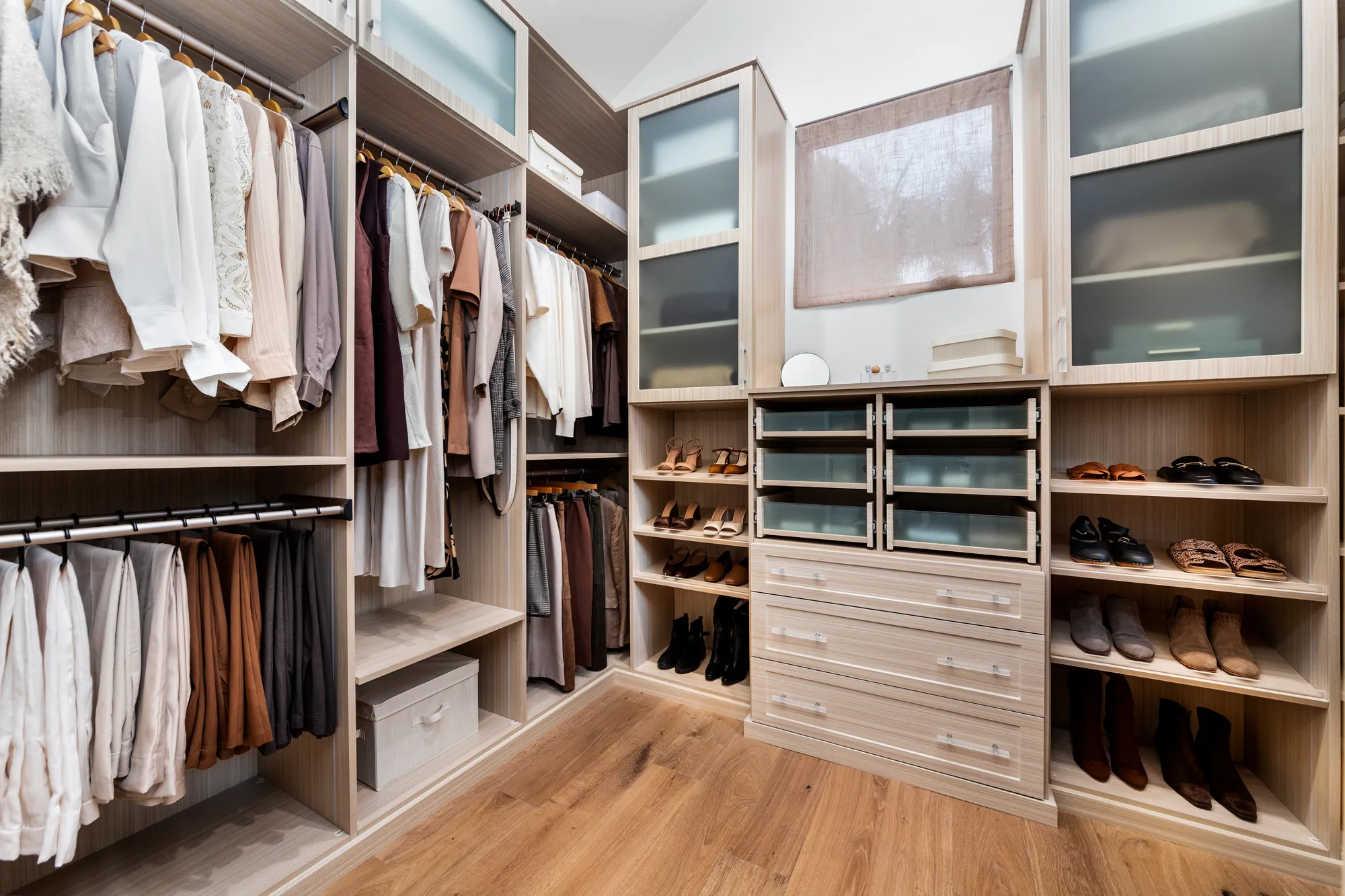
If you find yourself re-decluttering the same closet every few months, buying a second round of bins, or still stacking things on the floor after following every tip above, the closet itself is too small for what a store-bought system can do, and ready for what a custom-built one can. That's the point where a professionally designed reach-in closet system starts paying for itself: built-in double-hang towers, drawer banks sized to your actual inches, and shelving that uses every corner instead of guessing at it.
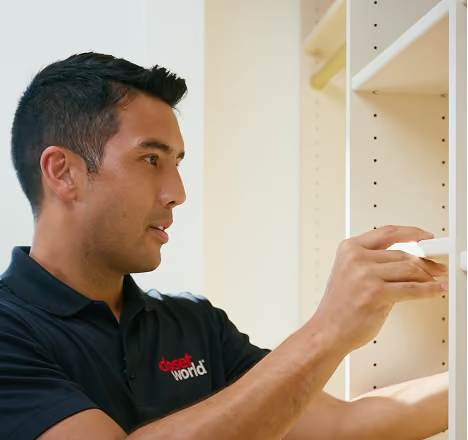
We've been building these in California since 1991. Closet World started with a simple idea from founder Frank Melkonian: figure out exactly what a space can hold, then design and build to it, instead of selling a one-size-fits-all kit. Our design consultants measure your closet the same way we walked through the process above. Then, we build a system engineered to those exact numbers. Same closet, more space than you thought it had.
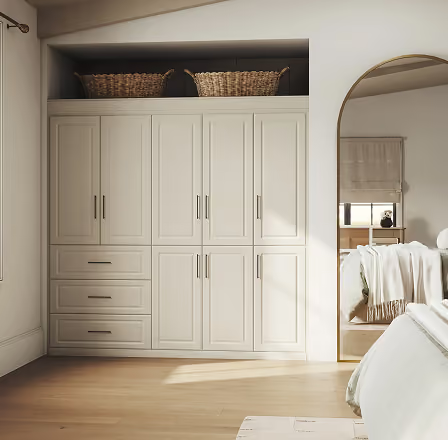
And if the honest answer is that your storage needs have outgrown a reach-in entirely, it might be time to talk about adding a custom wardrobe closet. For years we've been creating closets in all sorts of spaces where you didn't know you could have one. Each is designed from scratch around how you actually live and dress.
Either way, the next step is simple and pressure-free: Book your FREE in-home design consultation. Bring your measurements, or let our designers take them for you, and find out exactly how much more your closet can hold once it's built to work for you. That green cardigan is finally getting an actual home. No chair required.