









You hung the TV yourself. Toggle bolts, a level, forty-five minutes on a Saturday. It's crooked. Half an inch, maybe less. Nobody else in the house has noticed. You will never stop noticing.
Or maybe your spouse hung it, and you've stopped saying anything out loud, but you think about it during every single episode.
Either way, the crooked TV was never really the problem. The real problem is everything piled around it: a heap of gaming console cords with nowhere to go, a bookshelf built for books that now holds a PS5, and your teenager's new turntable and growing vinyl collection, none of which has a home either.
Same wall. More space. Here's how to make a small living room do more without adding a single square foot.
Entertainment Center Ideas by Format: What Works in a Small Space
Before you pick a style, pick a format. Style is the fun part you get to argue about for three weekends. Format is the part that actually decides whether your room feels bigger or smaller.
Built-In Wall Units

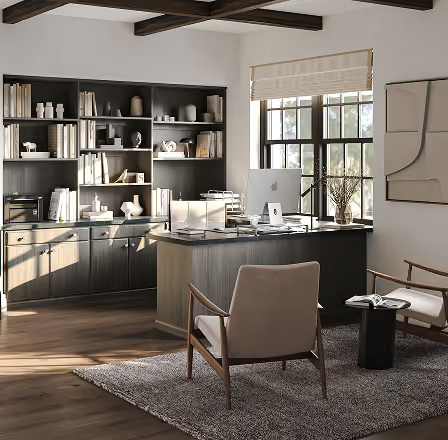
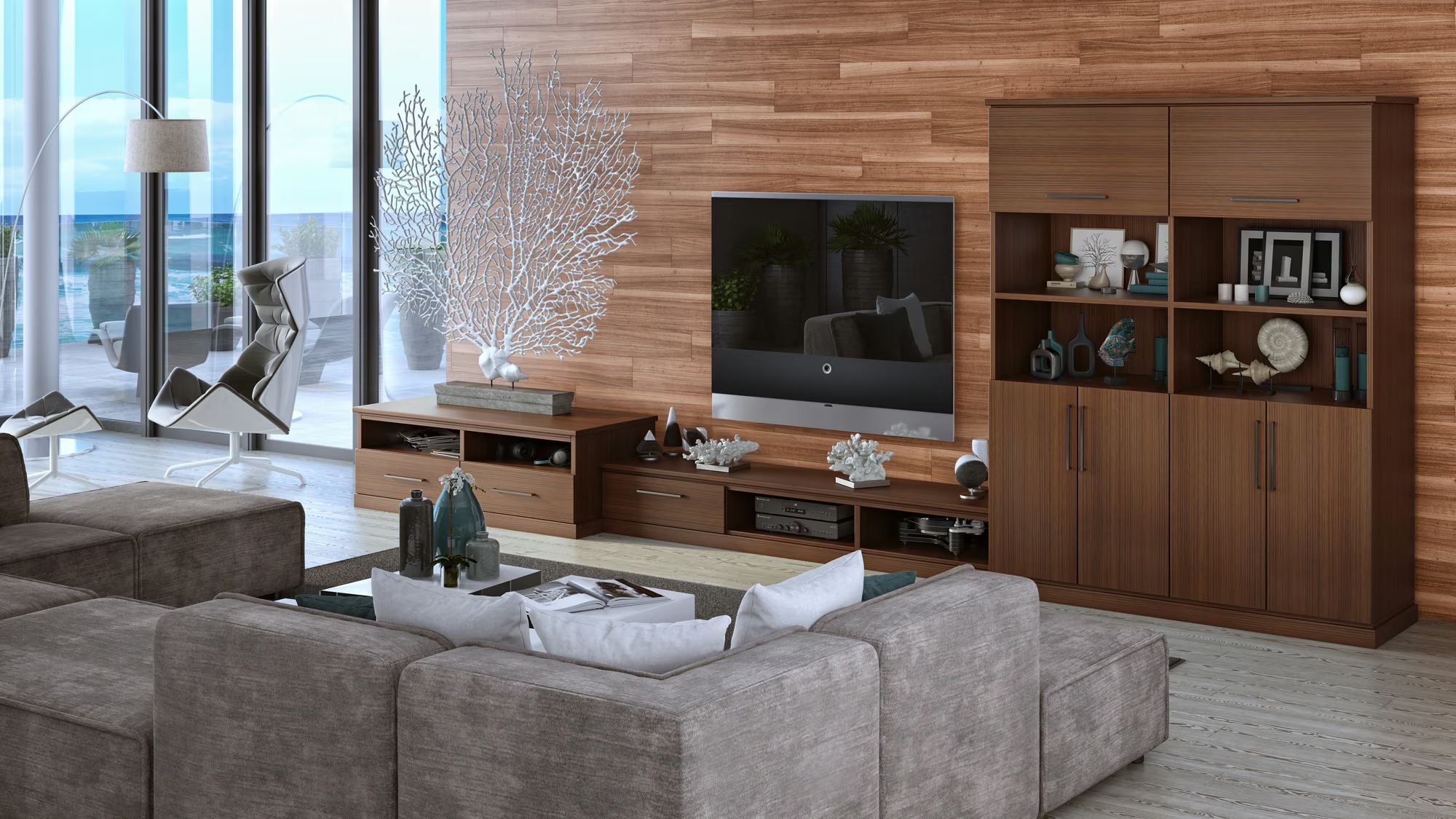
A built-in entertainment center runs floor-to-ceiling and wall-to-wall (or close to it), which sounds like more furniture but actually works out to more room. Flush cabinetry leaves no gap collecting dust, no crevice where a stray Lego and exactly one sock always seem to end up, and no visual stop where furniture ends and empty wall begins. It's the kind of wall that makes guests assume you also have a color-coded pantry. You don't have to correct them.
Built-ins also mix closed storage (cable box, remote, streaming devices, and a real drawer for the nest of gaming console cords currently living behind your TV) with open display shelving (perfect for a growing vinyl collection and the turntable that showed up sometime last spring), so every inch pulls its weight instead of picking a side. Clients often borrow ideas from vertical storage ideas built for closets, like stacked cubbies and full-height columns.
Floating Entertainment Centers
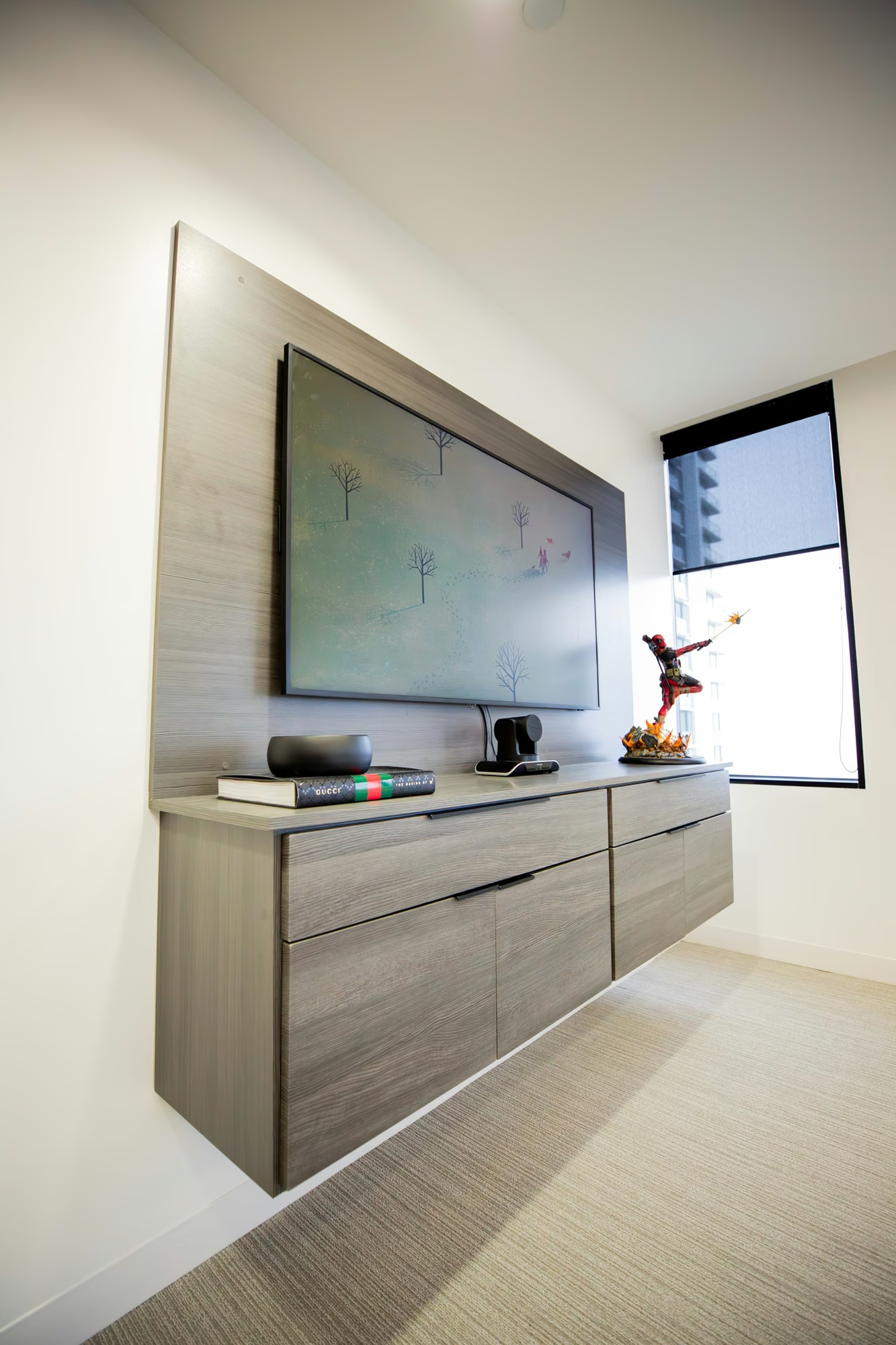
A floating entertainment center is wall-mounted with no legs or base touching the floor, hovering a few inches to a foot off the ground. That visible strip of floor underneath tricks the eye into reading more square footage than you actually have.
If someone in your house is already shaking their head about that (a spouse, a teenager, or your dad, who watched one video on wall anchors and now considers himself an engineer), here's the honest answer:
Are floating entertainment centers actually sturdy enough for a real TV setup?
Yes, when done right. The unit needs to anchor into wall studs (not drywall anchors alone) using a French cleat or steel mounting rail rated for the combined weight of the cabinetry, TV, and gear. Built correctly, it comfortably supports a 65-inch TV without any sag. Built with off-the-shelf hardware and no engineering behind it, it won't, which is why we build these on-site instead of shipping a flat-pack and hoping for the best.
Freestanding Media Consoles
The familiar option: a low cabinet you buy, load into the car, and plug in the same afternoon. It's the cheapest entry point, but it's also the format most likely to work against a small room: floor clearance on all sides, rarely matching your trim. You know the one leg that's slightly shorter than the others, propped level with a folded napkin for two years running.
| Format | Best For | The Tradeoff |
|---|---|---|
| Built-in wall unit | Rooms wanting max storage and a finished look | More planning and lead time, but a wall that hides every game cord and looks like you always had it together |
| Floating entertainment center | Modern rooms, exposed flooring, minimalist aesthetic | Needs real studs, not wishful thinking, but that visible strip of floor makes the room look bigger than it is |
| Freestanding console | Renters, budget-first, frequent movers | Cheapest and fastest, but it eats floor space and shows off every cord you were trying to hide |
How Do You Size an Entertainment Center for a Small Living Room?
Three numbers matter most: depth, width relative to your seating, and TV height, scaled to the room you actually have. National Association of Home Builders data shows living rooms in new construction trending smaller, so "small living room" guidance can't just mean "buy a smaller console." It needs specific proportions:
- Depth: In a room under 300 square feet, keep the unit 16 to 18 inches deep. Deeper starts eating your walking path or forces the sofa too close.
- Width: Aim for a media wall that matches or slightly exceeds your seating: a 7-foot sofa pairs well with an 8- to 10-foot wall unit. Narrower reads as an afterthought.
- TV height: Center the screen 42 to 46 inches off the floor for a seated eye level, not crammed near the ceiling to "save space," which just creates neck strain.
- Ceiling height: Standard 8-foot ceilings still support a full floor-to-ceiling built-in with shallower upper cabinets (12 inches or less) so the top doesn't overhang the room.
Skip any of these and the room will let you know, usually within the first week, and usually via a stubbed toe.
California living adds its own curveball: many clients live in open-plan condos with no basement or garage overflow, so the entertainment center doubles as board-game closet and permanent home for the blanket everyone insists is "the good one." We build deeper lower cabinets for exactly that.
What Separates a Good Entertainment Center from a Great One?
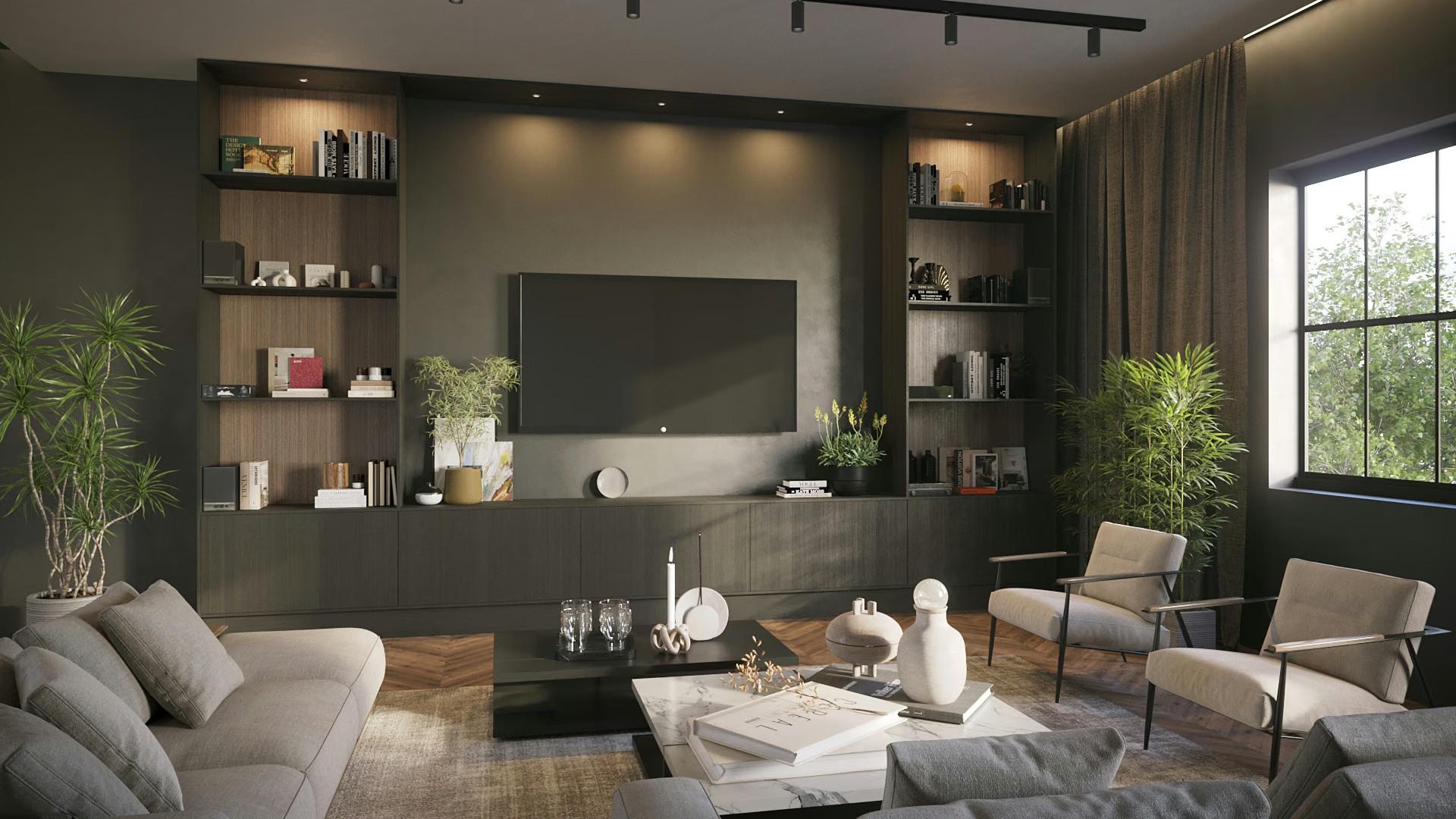
What you don't see, no cords running down the wall, no power strip in plain sight, no mystery cable coiled behind the console that nobody can identify or bring themselves to throw away just in case, is what actually separates a good entertainment center from a great one.
A properly built unit routes power and low-voltage cable through a concealed rear channel or in-wall raceway (installed by a licensed electrician where local code requires it), so the soundbar, streaming box, and router disappear without a visible wire. The remote goes in a shallow drawer built for it, not lost in the couch cushions. Add integrated LED shelf lighting for shelving that looks designed on purpose.
Entertainment Center Styles: Modern, Transitional, Rustic
Format comes first; style is where the room gets its personality:
- Modern: handleless slab fronts, walnut or white oak veneer, and a floating silhouette. Pairs naturally with the floating format above.
- Transitional: shaker-style cabinet doors mixed with open display niches, a safe bet if you're not ready to commit to a full statement wall.
- Rustic: reclaimed or wire-brushed wood tones with black iron brackets and open cubbies, the warm look clients chase in walk-in closet island ideas.
None of them are wrong. All three still need a home for the remote, the popcorn bowl, and the game controller nobody else in the house is allowed to touch.
Custom Built-In Entertainment Centers for California Living Rooms
Closet World has built custom storage for California homes since 1991: closets first, then kitchens, garages, and now entertainment walls. The principle stays the same: a room works better when designed for how you actually use it. Design and manufacturing happen right here in California, a state full of open-concept condos and no-basement floor plans.
If your living room is fighting your TV setup for space, a custom wall unit built to your exact dimensions is the straightforward next step. Book your FREE in-home design consultation, and we'll bring the tape measure, a real design, and a few decades of opinions on what works in a small room. Nobody here will ask you to identify that mystery cable. We'll just make sure it disappears.