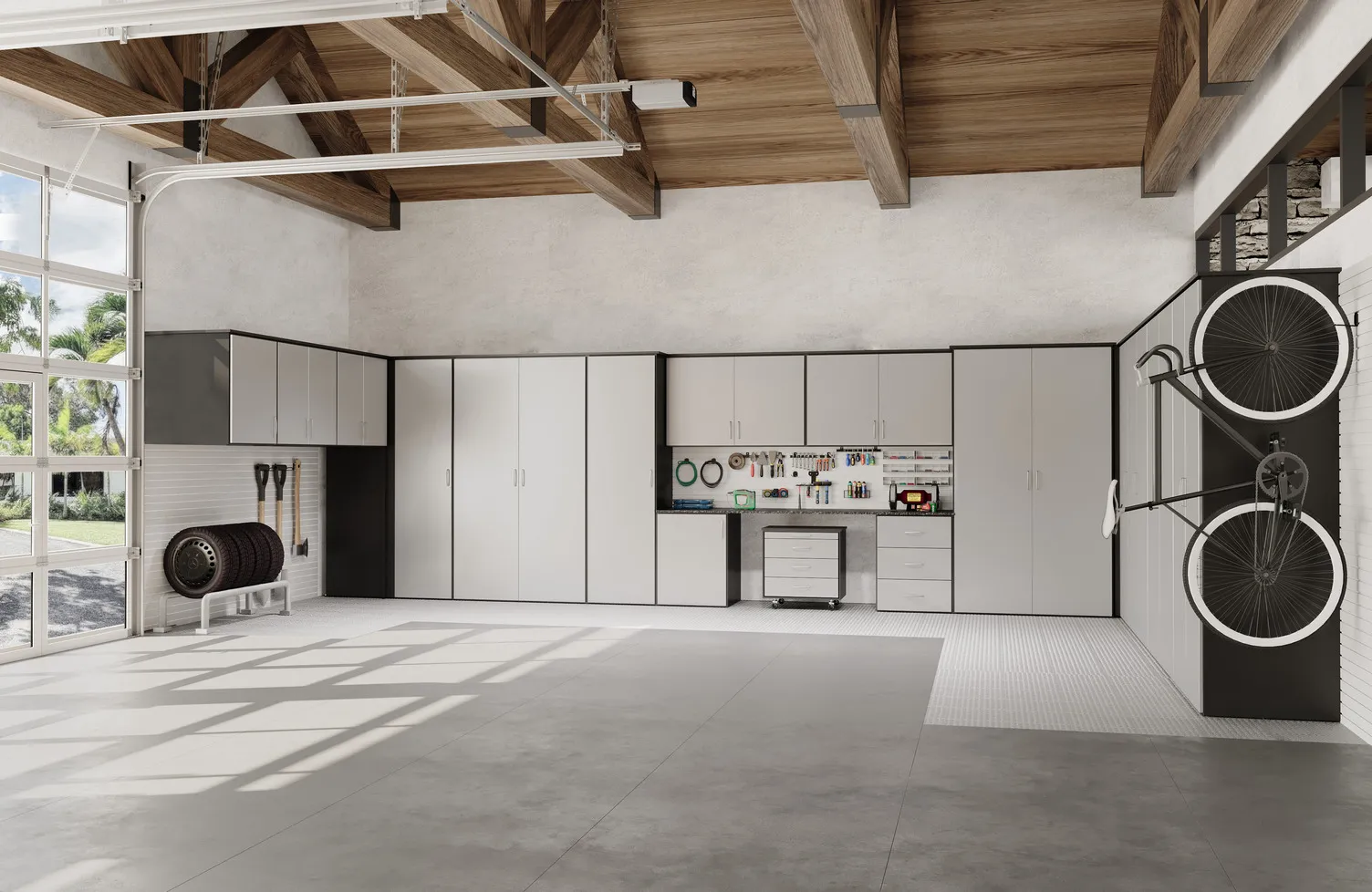


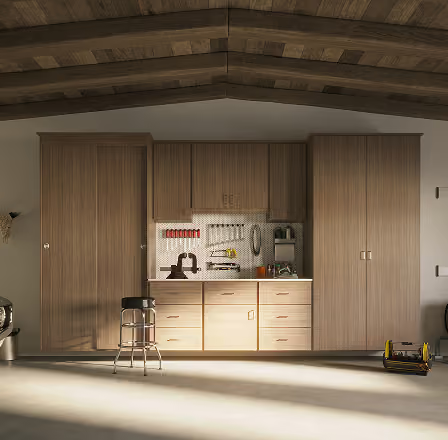







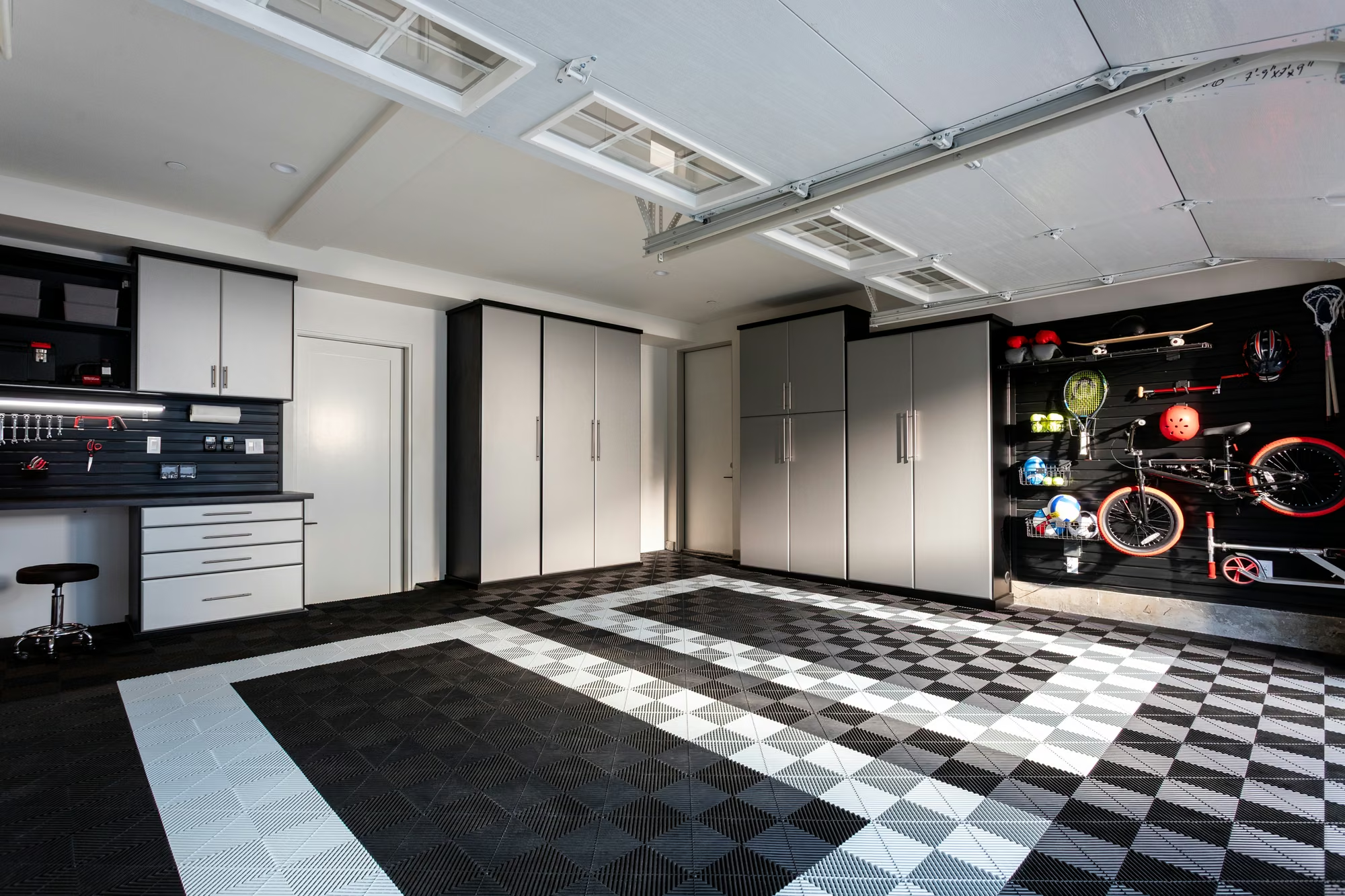
Some people dream of a home improvement professional's garage system: slatwall vertical storage, cabinets, a work bench with drawers, tools hung in outline so you always know what's missing before you go looking for it. Others just want their car to fit again. Both of you are in the right place.
Picture it: you need one specific screwdriver. Twenty minutes later you're holding a rake, a tennis racket, and a blender manual. You just found everything except the screwdriver. You haven't been able to park your car in the garage since your kid was in diapers, and your neighbors wonder if you're hiding something in there. (You are. It's the spin bike you bought during pandemic lockdown which you now use as a sawhorse.)
Sound familiar?
You don't need a bigger garage. You need a garage organizing system built to keep your stuff off the floor, stacked in piles and stuffed into mismatched bins.
At Closet World, that's our whole mission: maximize the space you already have, not talk you into a bigger house. We've been designing and installing garage storage and organizing systems across California since 1991, from high-desert garages where the temp can fluctuate by 40 degrees in a day, to coastal garages that hold more surfboards and snowboards than cars.
Below are 30 garage storage ideas designed to get your car back into your garage and make it a place you'll want to spend time in, instead of hurry through.
How Should You Approach Garage Storage by Zone?
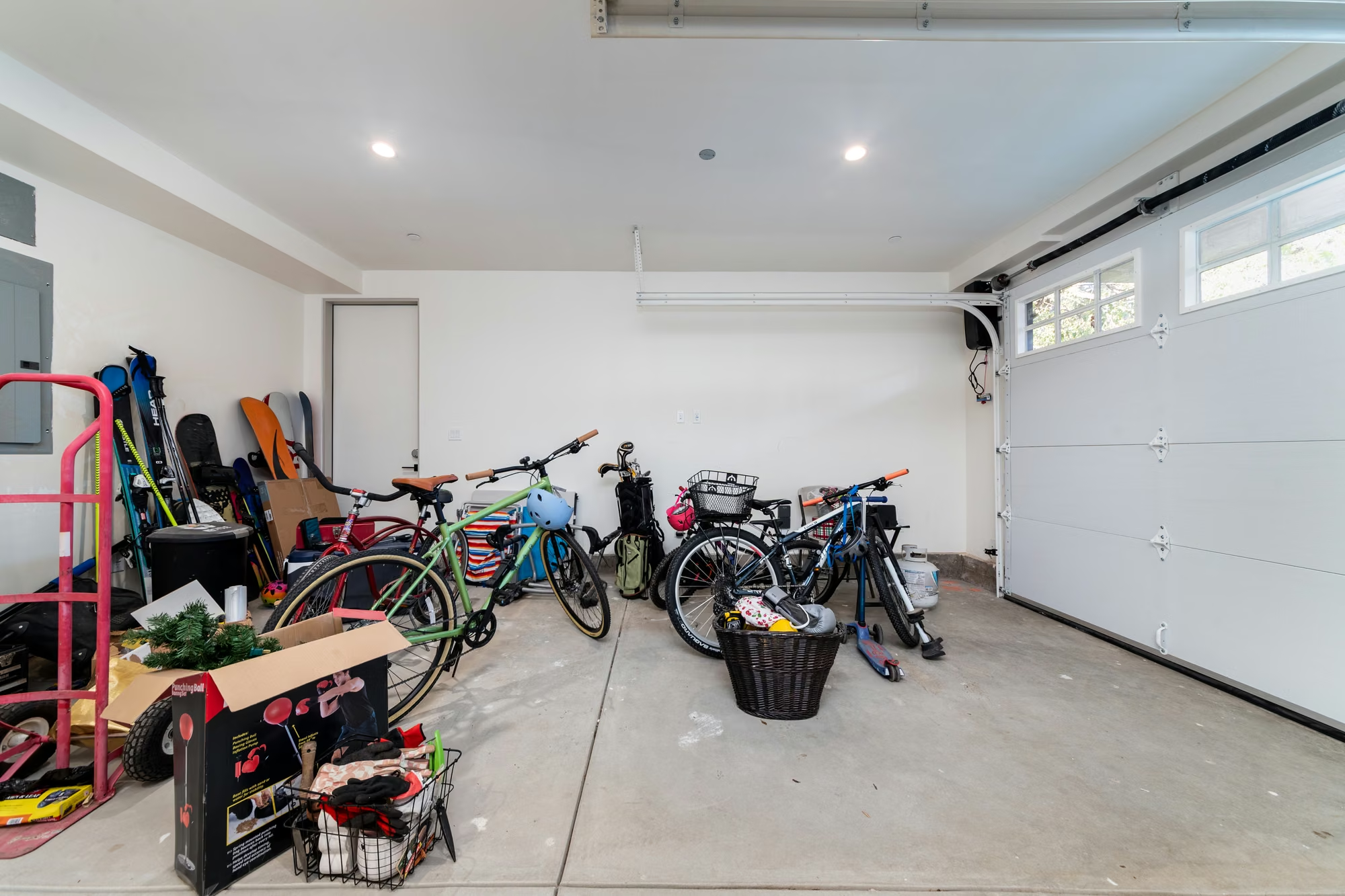
Think in zones, not projects: walls, ceiling, cabinets, and floor are four separate opportunities to make room, and tackling them in order unlocks space you already have.
1. Full-Wall Slatwall Panels
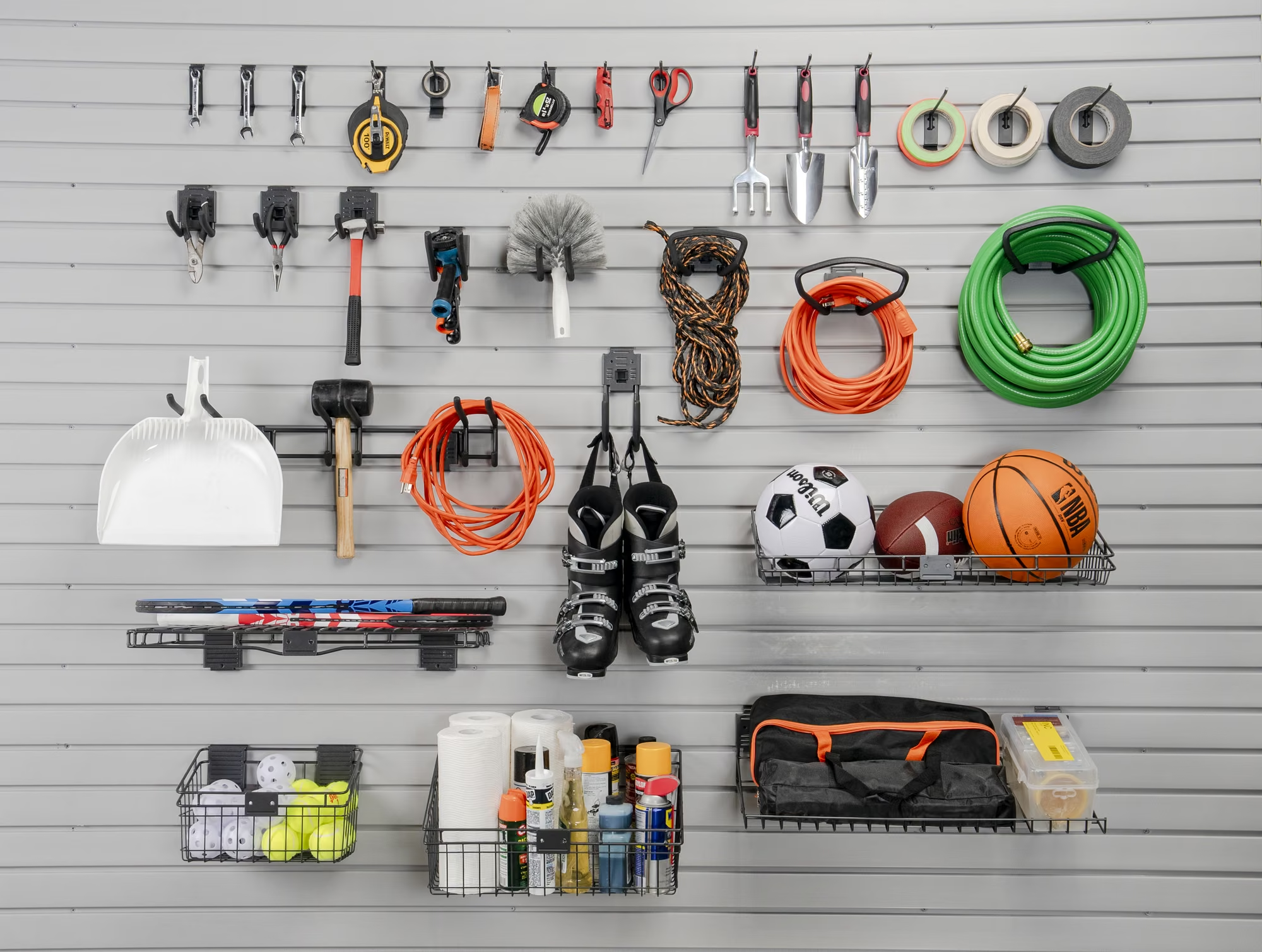
A blank wall is unused square footage; slatwall turns it into flexible storage without a single stud finder search. Standard 4-by-8-foot panels hold hooks, baskets, and shelves rated up to 50 pounds per hook, and every piece repositions in seconds. In California's dry climate, painted or laminate slatwall won't swell or warp the way it can in humid regions.
2. Pegboard for High-Rotation Tools
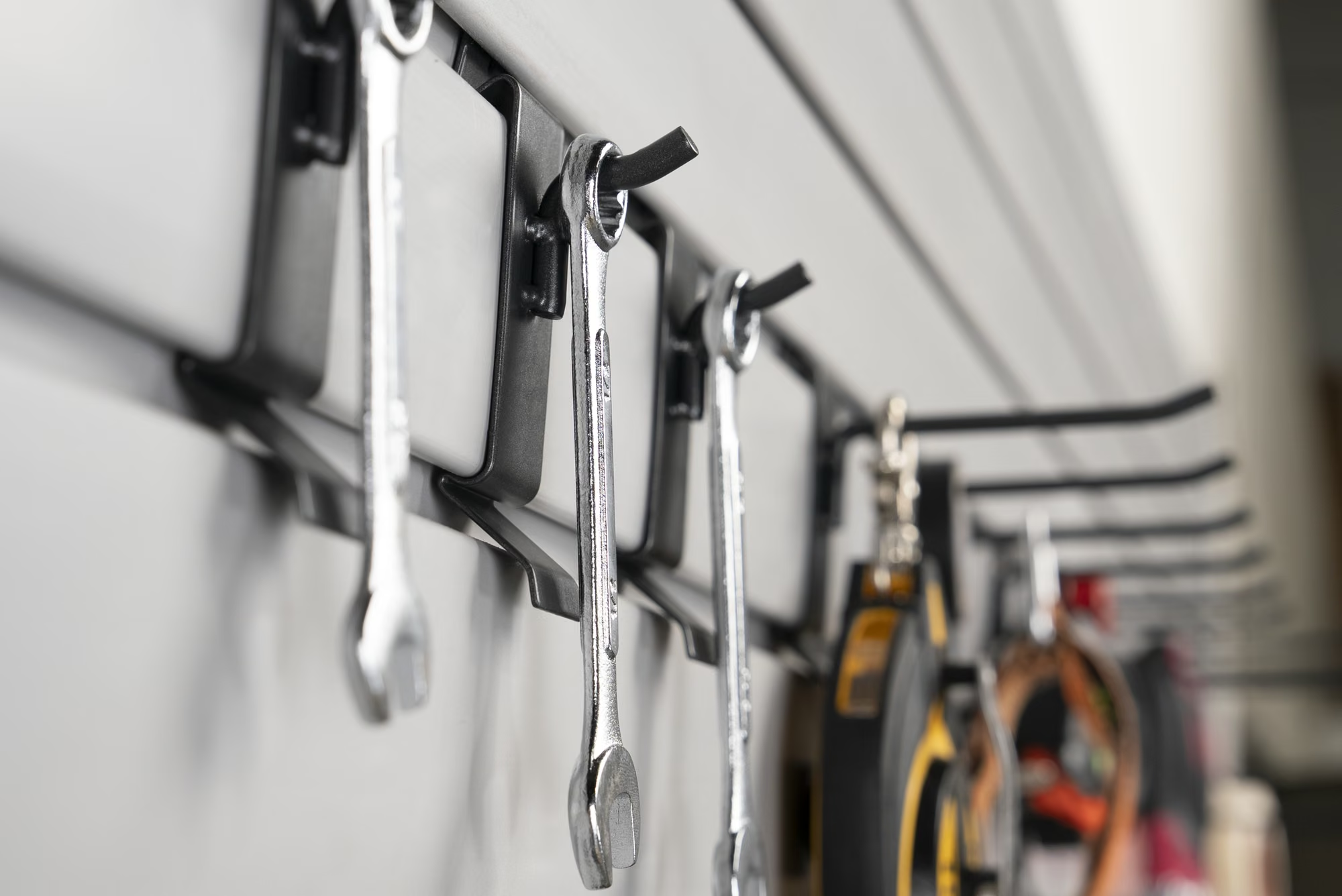
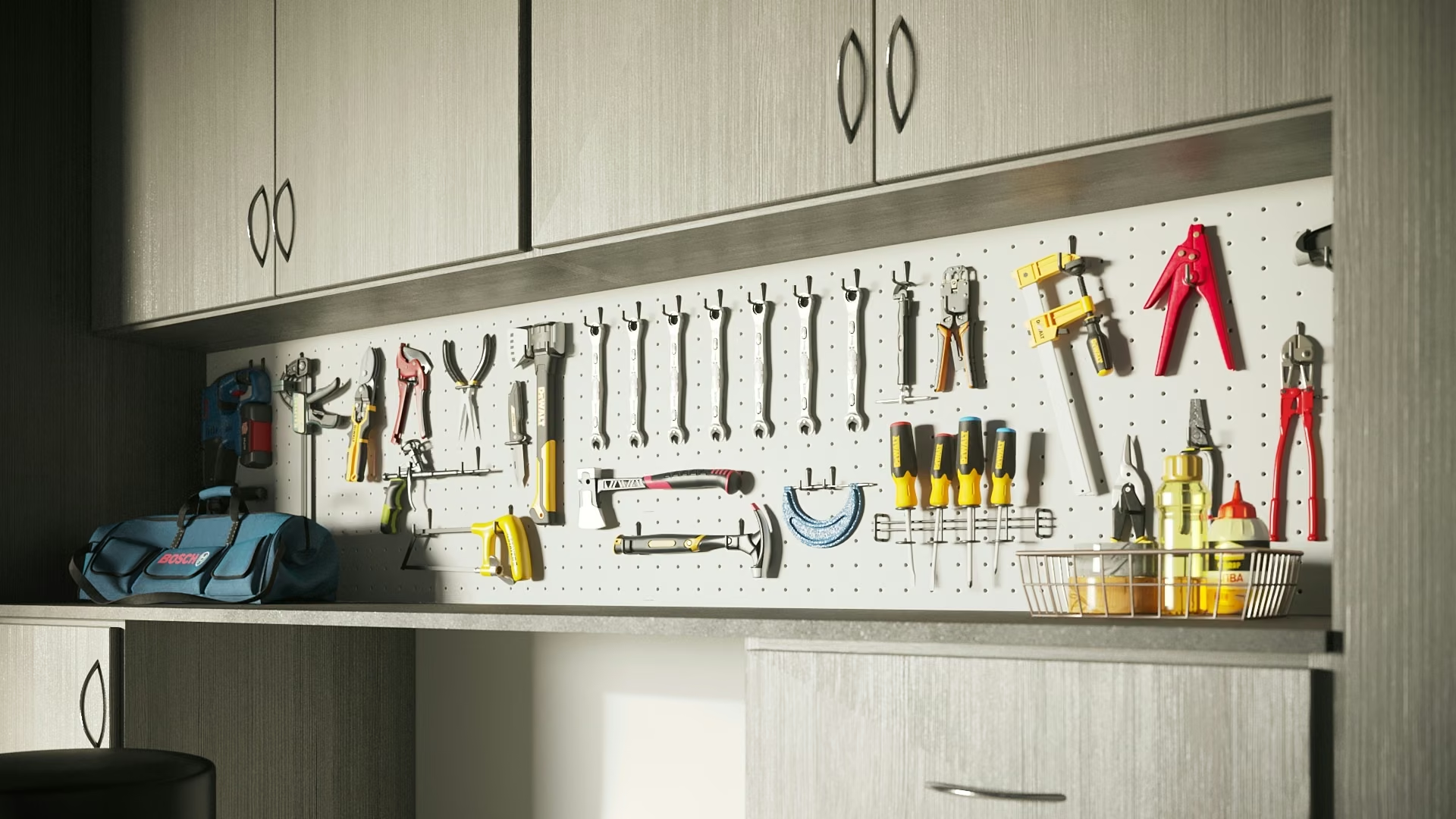
Bob Vila has recommended pegboard setups for decades because they still work, and the shadow-board technique of tracing an outline around each tool so it's obvious when something's gone isn't hard to do. All it takes is quarter-inch tempered hardboard and metal hooks, and you'll know exactly what's missing. You'll still have no idea which kid dragged the heavy duty pipe wrench into the yard, or what they're trying to use it for, but at least you'll know to start looking, pronto. (No, really. Go now.)
3. Vertical Rail for Long-Handled Tools
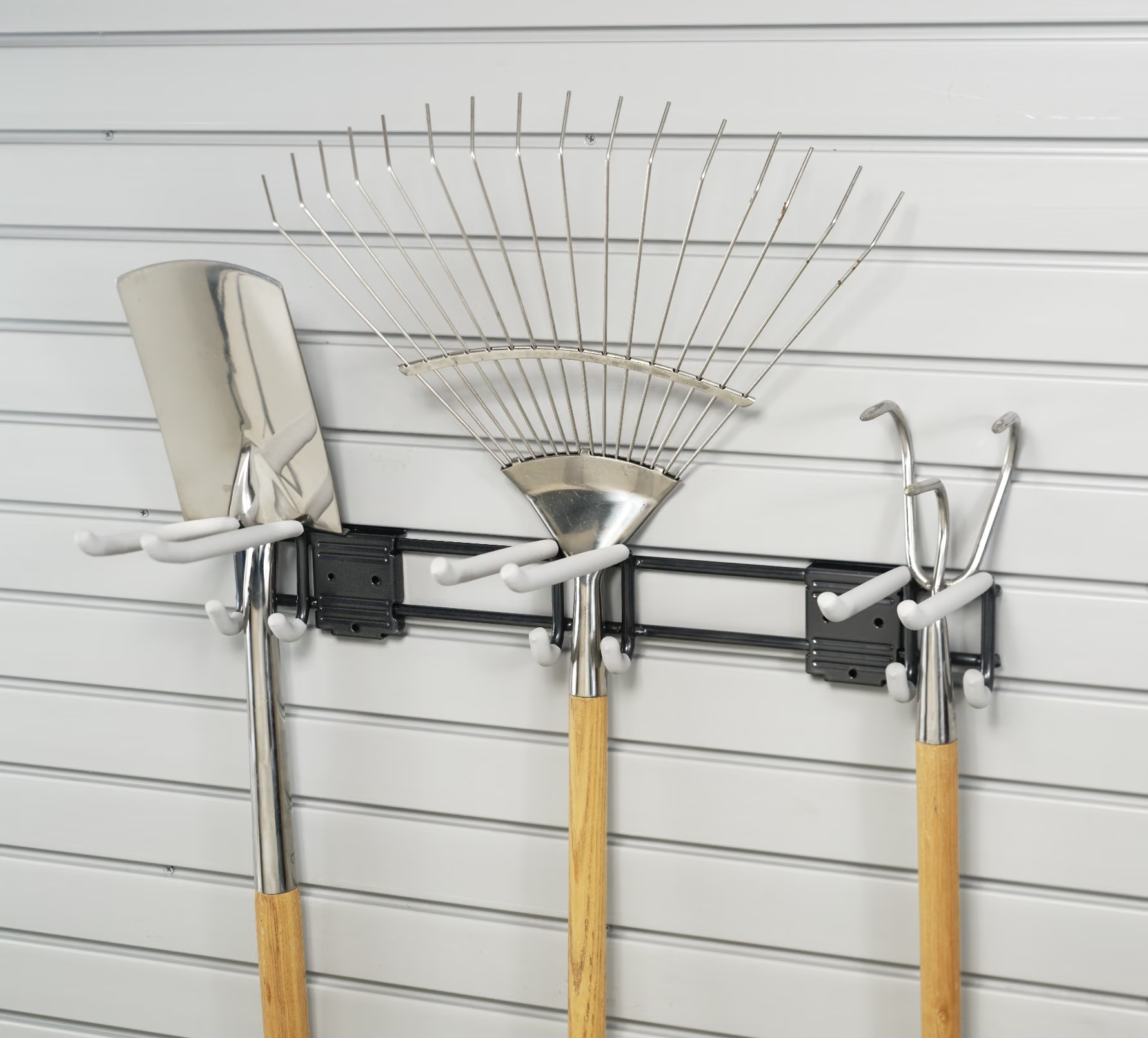
Rakes, shovels, and 2x4 offcuts don't belong leaning in a corner, waiting for a car door to start an avalanche that ends with you lunging to save the windshield from a rake. A slotted steel rail system holds long items vertically against the wall, handing back floor space a leaning pile would otherwise claim.
4. Ceiling-Mounted Storage Platforms
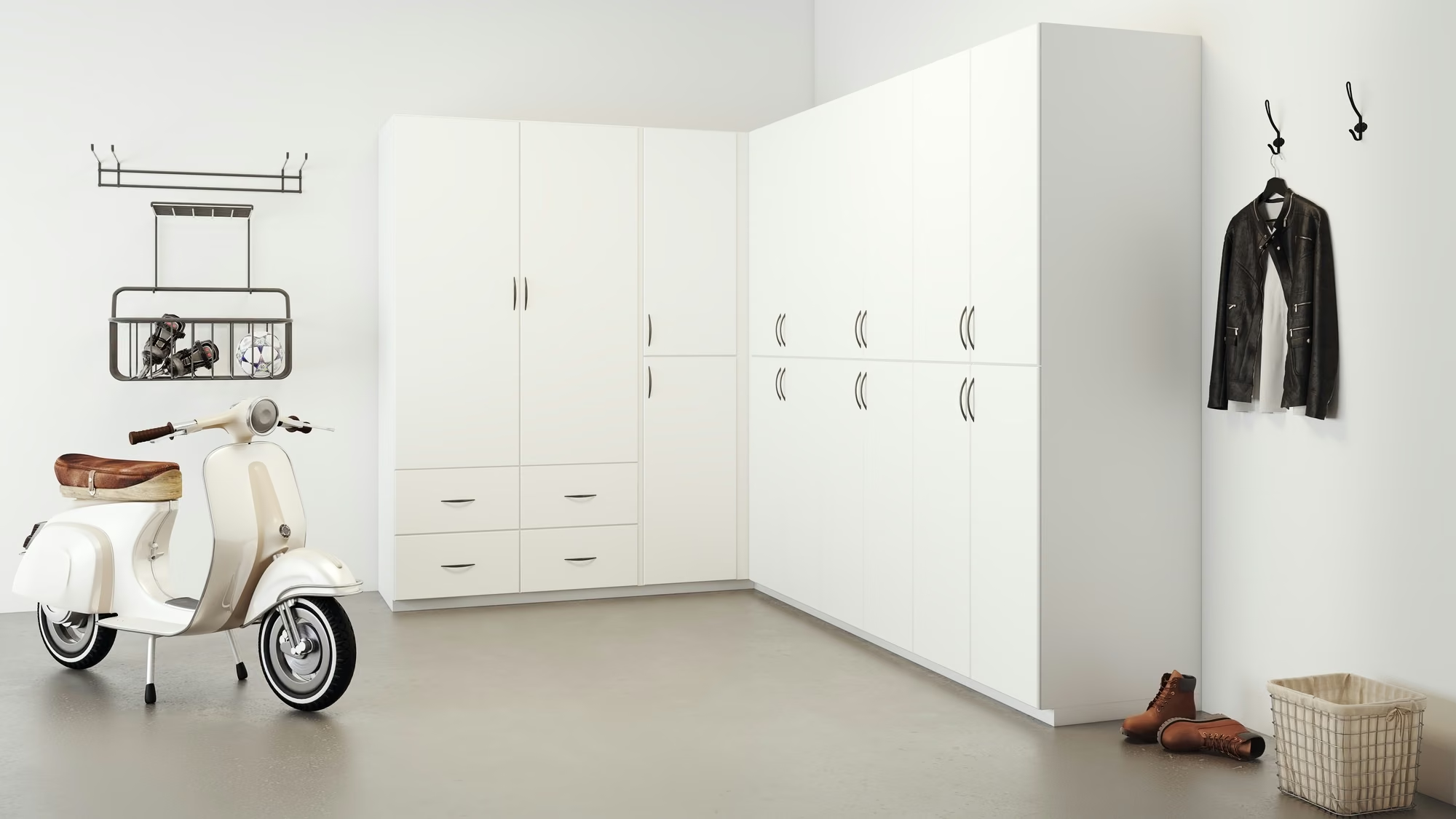
A 4-by-8-foot overhead platform, properly anchored to ceiling joists, can hold 250 to 600 pounds of bins depending on the system. Mount it at least 78 inches above the floor, enough for an SUV with a roof rack to clear without a scrape.
5. Pulley-Operated Hoists for Bikes and Kayaks
A hoist system rated for 100 to 125 pounds lifts bikes, kayaks, or a canoe straight up and out of the way, then lowers them back down in under a minute.
6. Overhead Racks Positioned Over the Garage Door Track
The space directly above the garage door track is almost always dead air. A rack here puts it to work, holding seasonal bins you touch twice a year (holiday decor, camping gear, off-season clothes), clear of the parking space below.
7. Floor-to-Ceiling Garage Cabinets
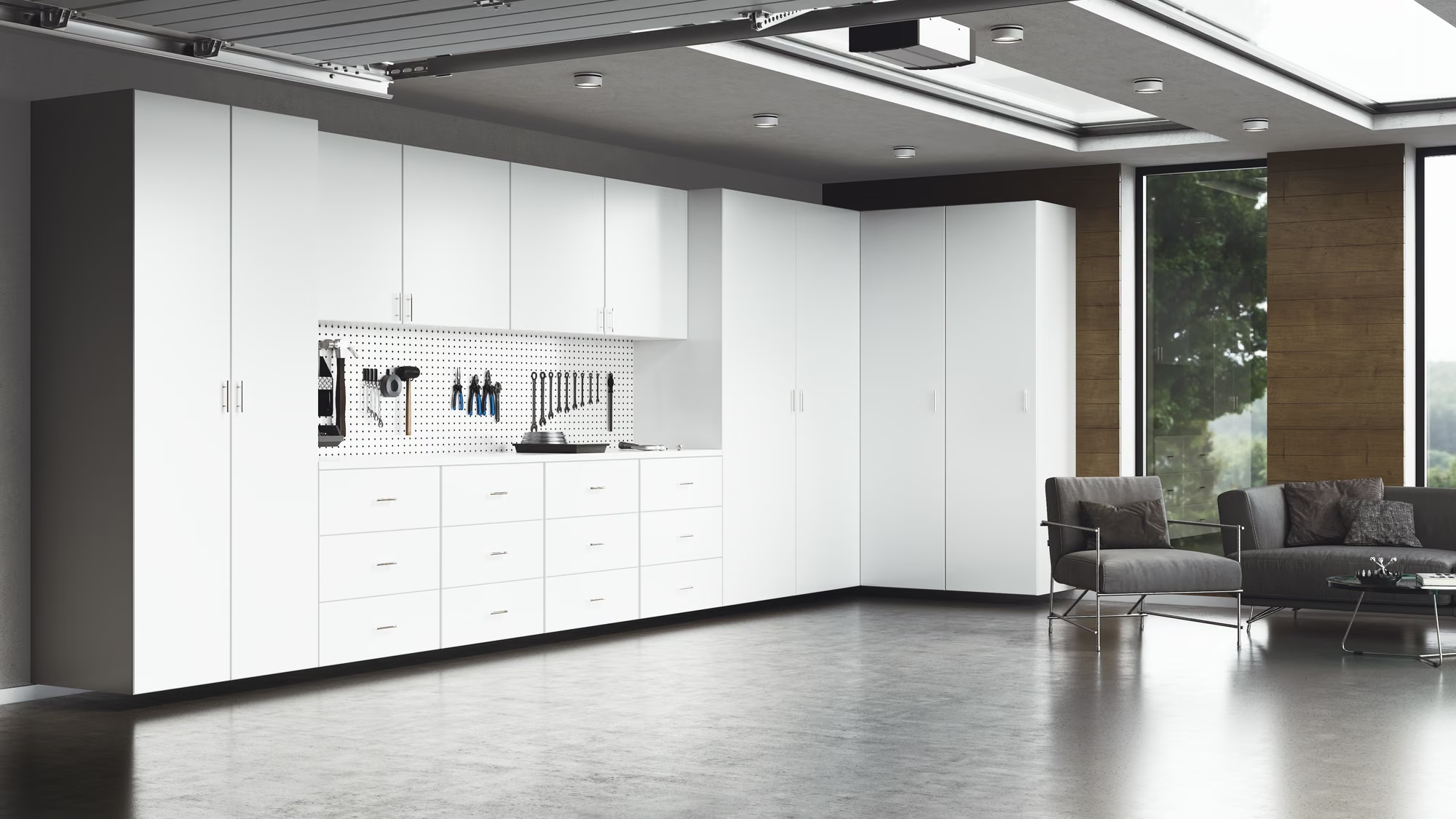
This is where garage cabinets earn their keep: powder-coated steel or laminate cabinet runs, typically 24 inches deep, keep paint cans, chemicals, and anything else out of sight. Unlike open shelving, sealed cabinets protect contents from garage dust, a real issue in California's drier counties.
8. Locking Cabinets for Hazardous Materials
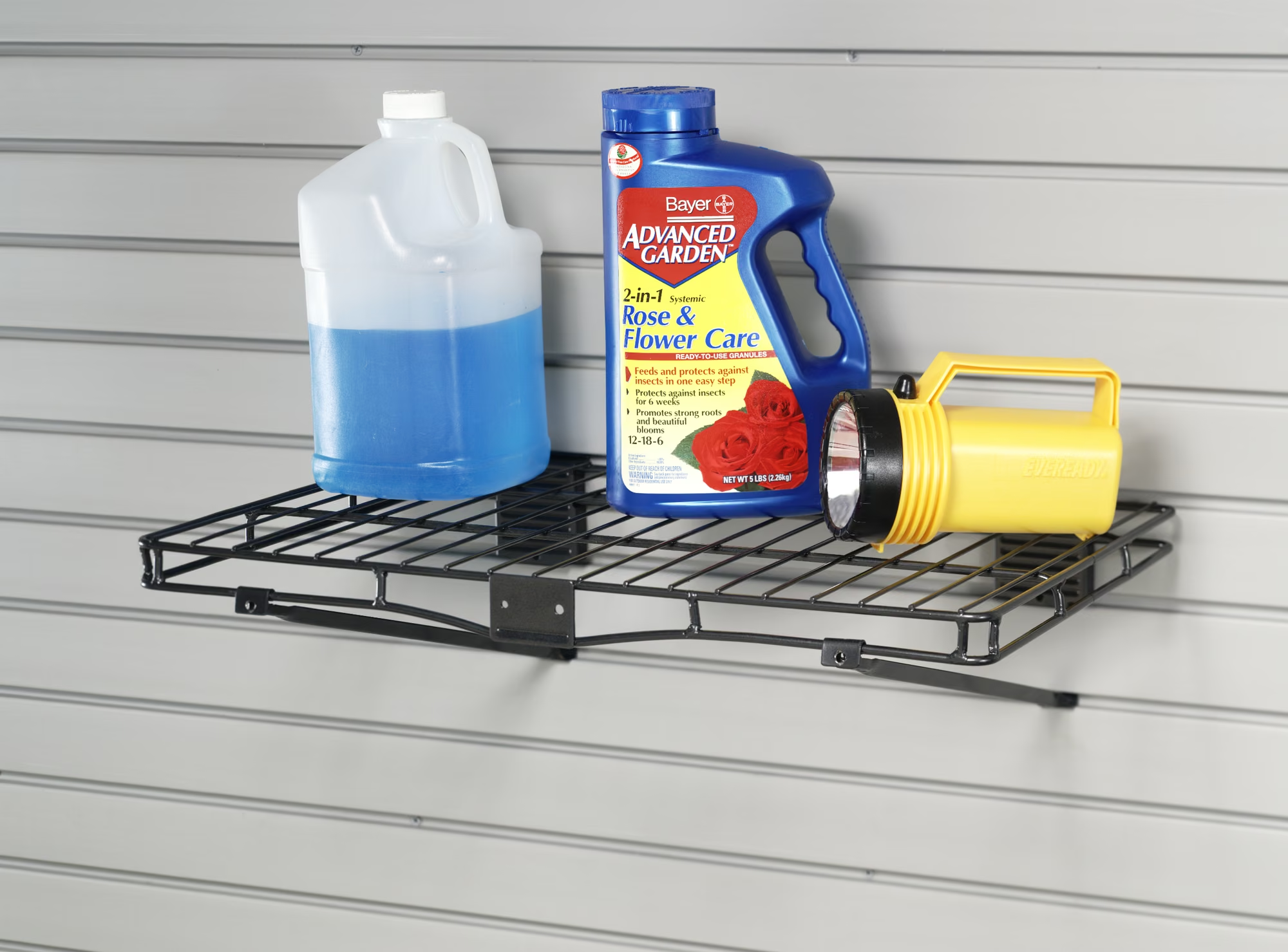
Pesticides, fertilizer, and automotive fluids need a cabinet with an actual latch. A dedicated locking unit keeps curious kids and pets away from what's genuinely dangerous, and frees the rest of your cabinets for the things you reach for daily.
9. Map Your Parking Envelope Before You Design Anything
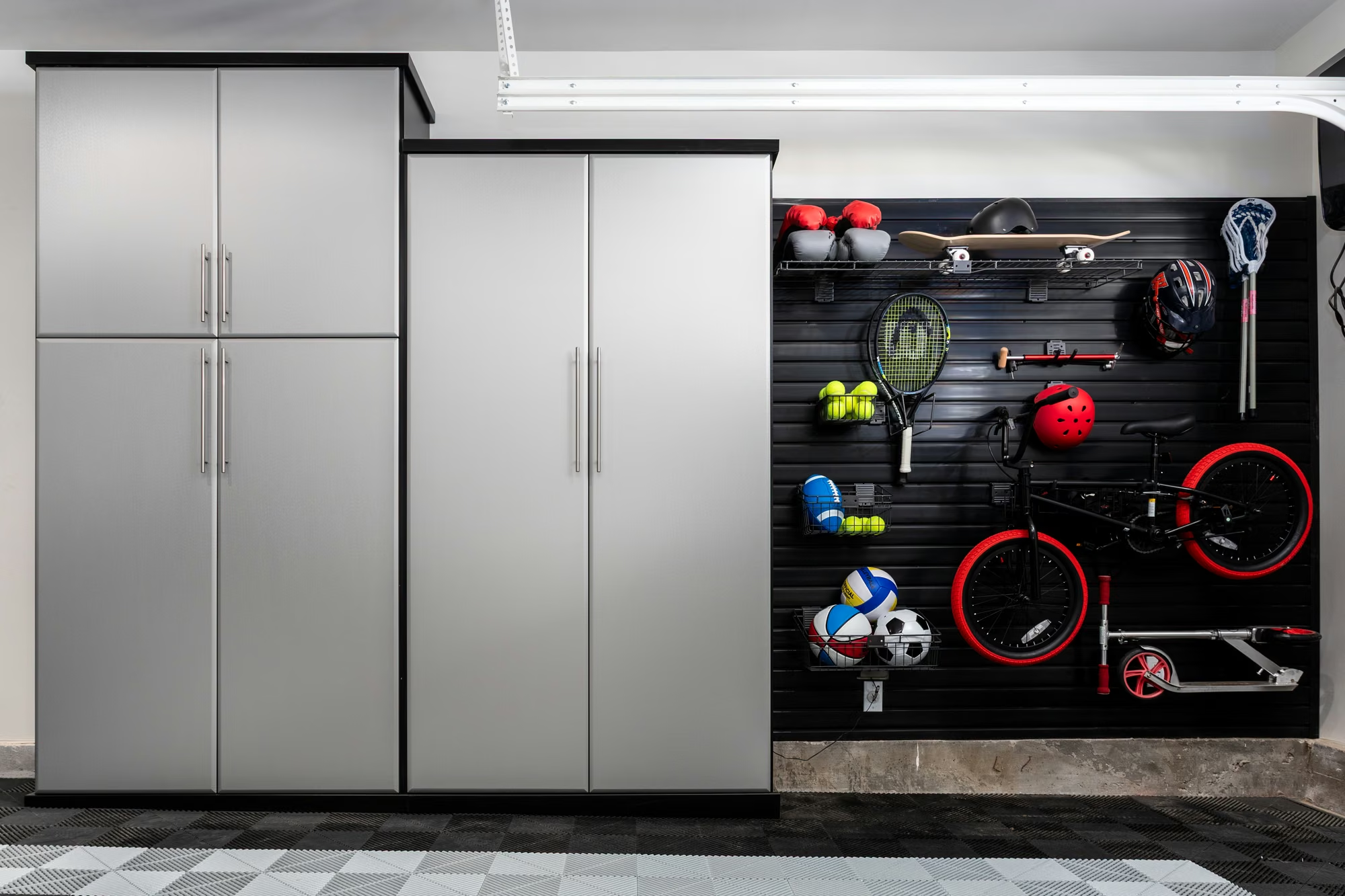
A standard sedan needs roughly 9 by 18 feet, and you'll want at least 2 feet of clearance on each side for doors to swing open. Measure that footprint first (painter's tape works; expect questions about the crime scene), and design storage around what's left.
10. Slim-Depth Cabinet Runs on the Non-Door Wall
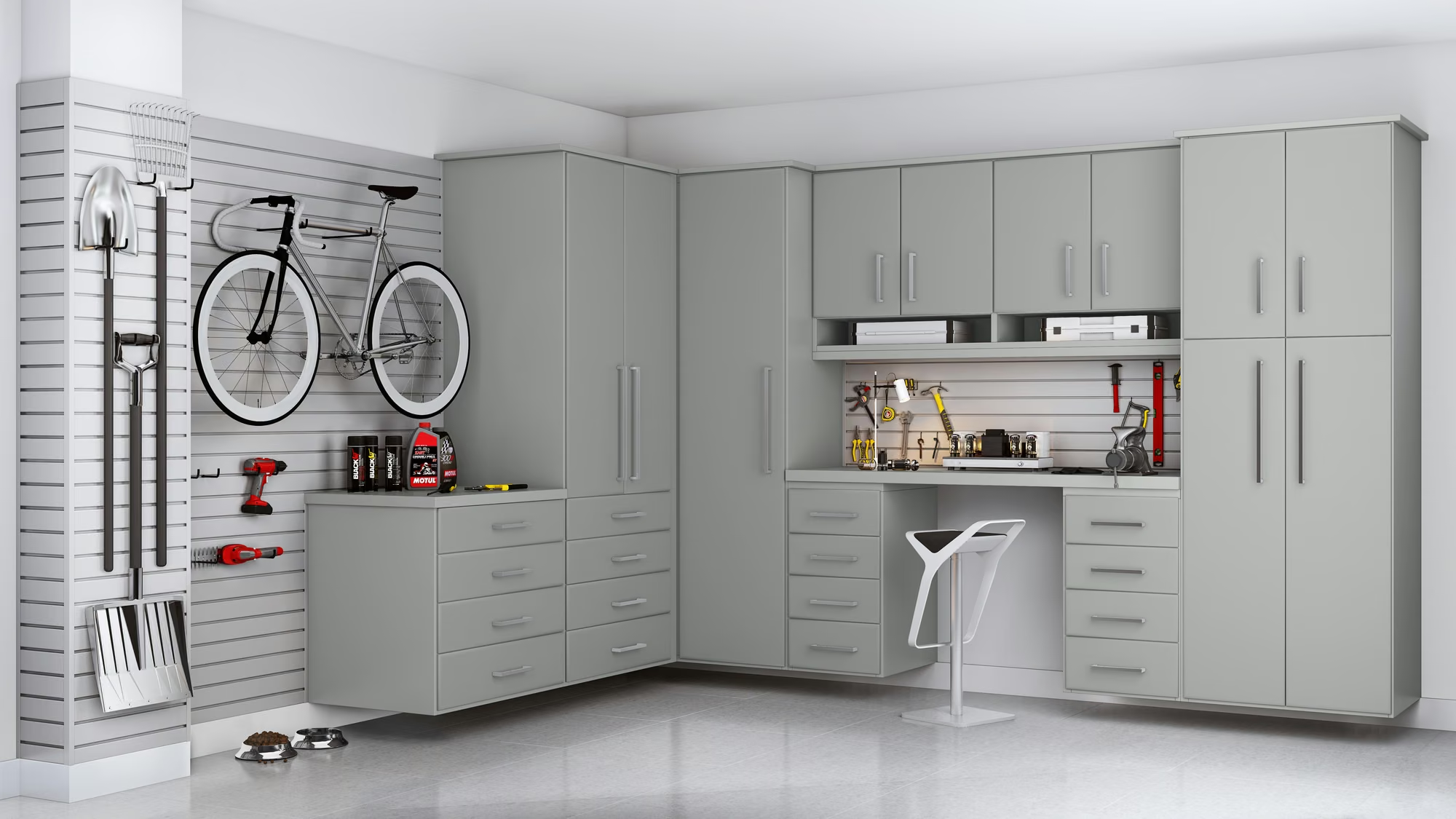
Twelve- to sixteen-inch-deep cabinets along the wall opposite the garage door add serious storage without narrowing your drive lane. In California, where two-car garages routinely run just 400 to 460 square feet per National Association of Home Builders data, that's most of them.
Garage Storage Ideas by What You Store (Ideas 11-20)
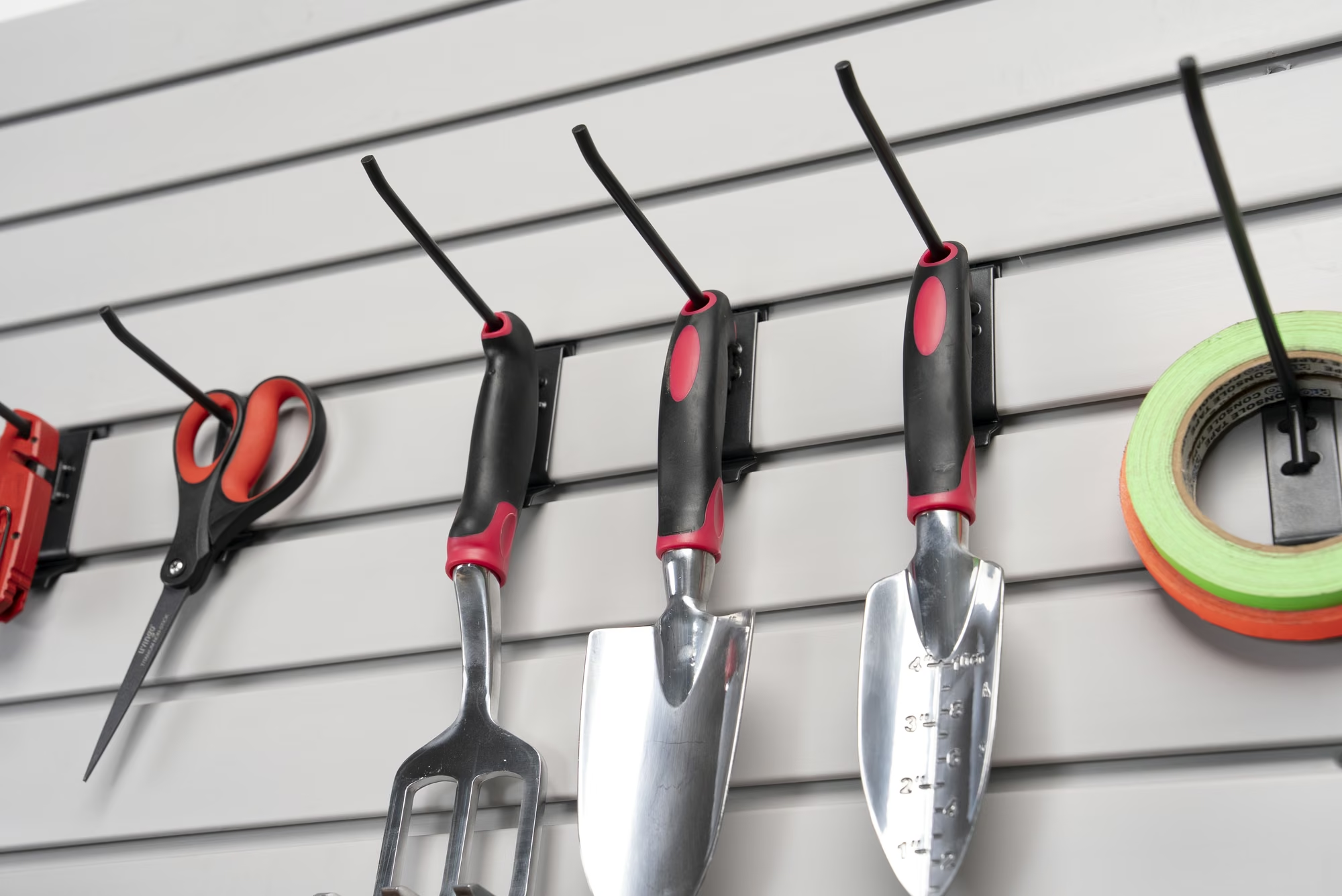
Zones tell you where to build; what you own tells you what fills it.
11. Rolling Tool Chests Tucked Under a Workbench
A tool chest on locking casters slides under a bench when not in use and rolls out to wherever the project is. It keeps tools mobile instead of bolted to one corner.
12. A Fold-Down Workbench
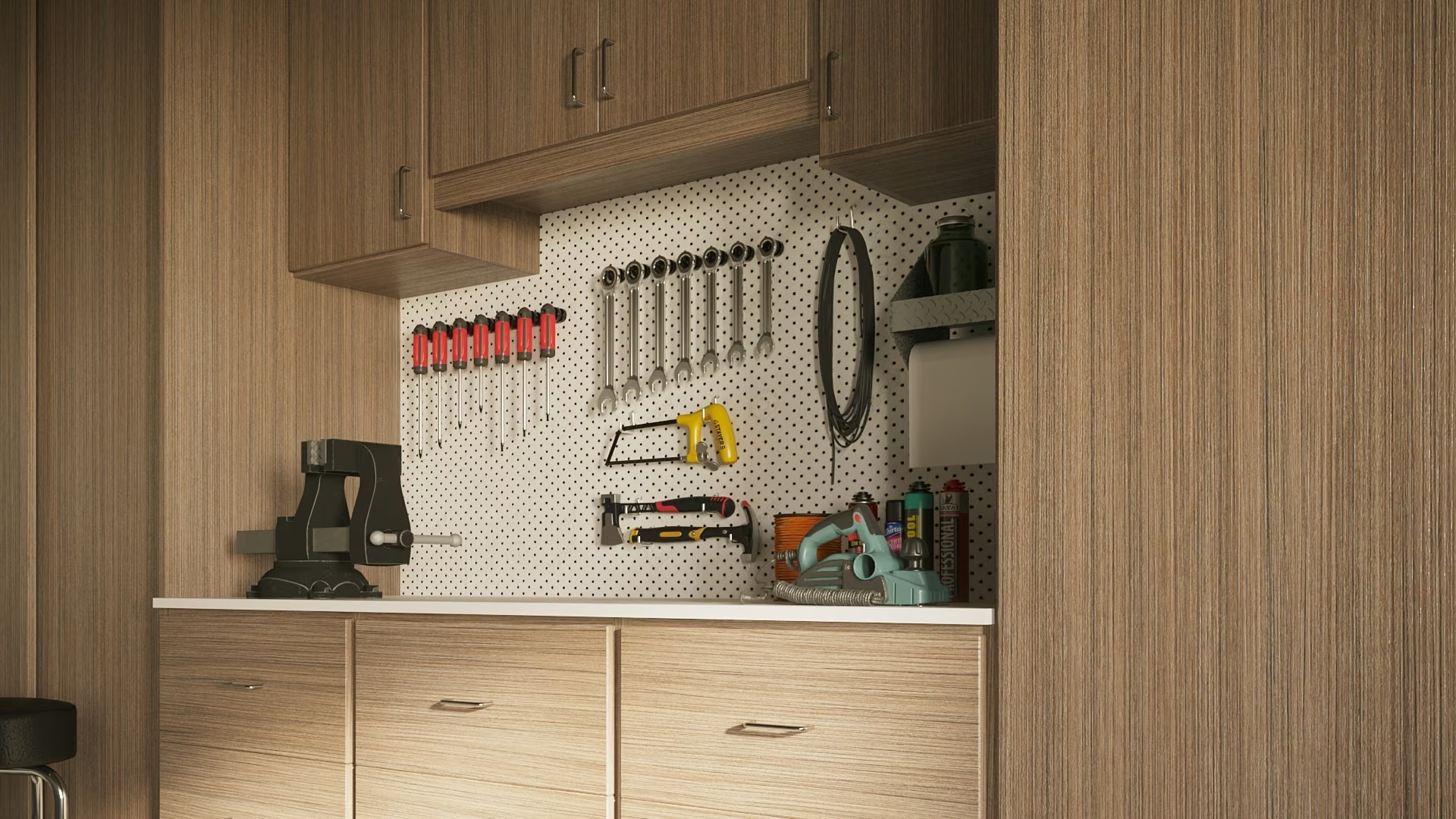
A hinged bracket system lets a full workbench fold flat against the wall when you're not using it, which matters most in single-car garages where every square foot pulls double duty on parking day.
13. Clear Bin Walls for Small Parts
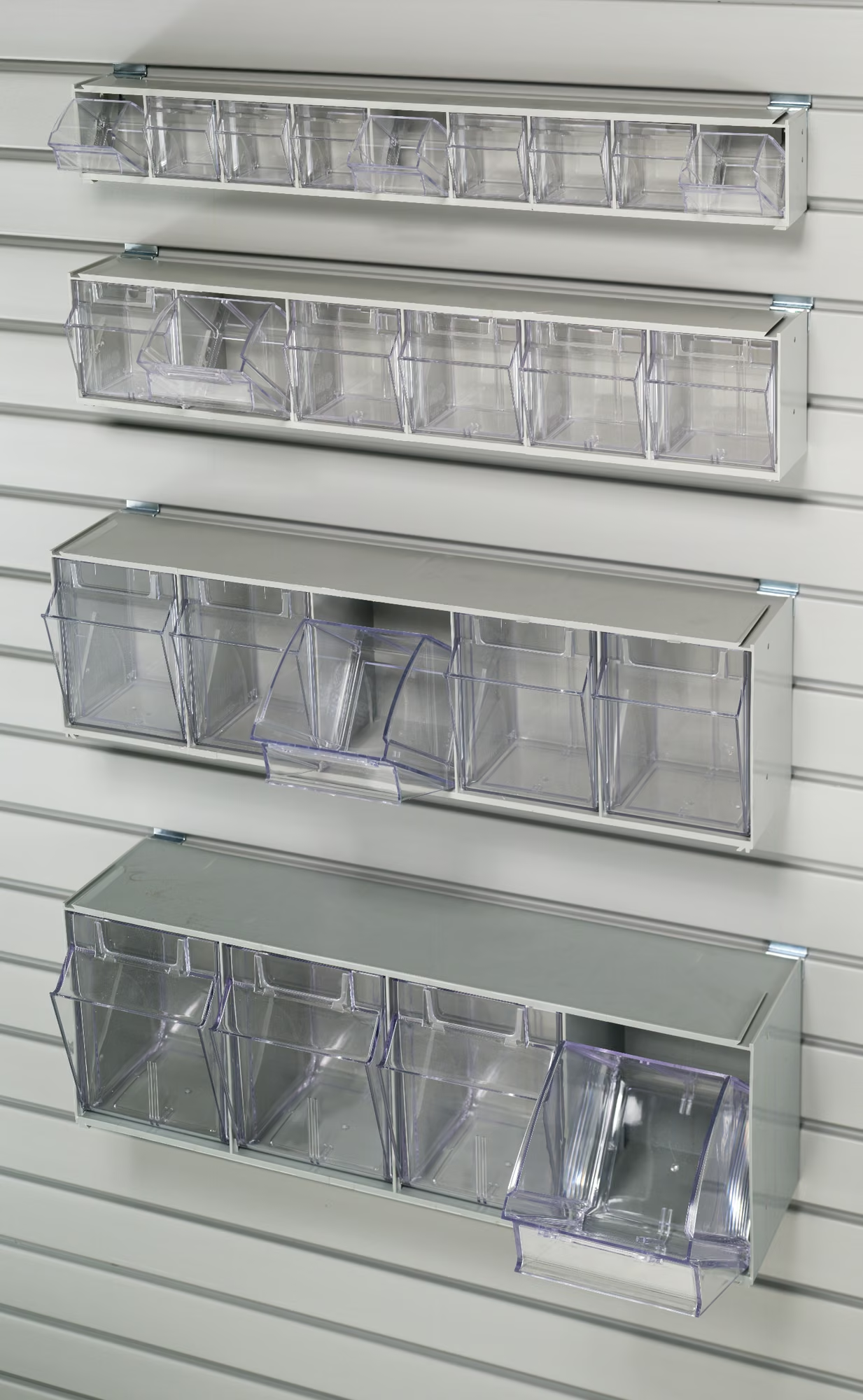
Screws, bolts, and hardware disappear into junk drawers forever. Wall-mounted clear bins, sorted by size, turn a five-minute hardware hunt into a five-second glance.
14. Golf Bag and Ball Storage Cubbies
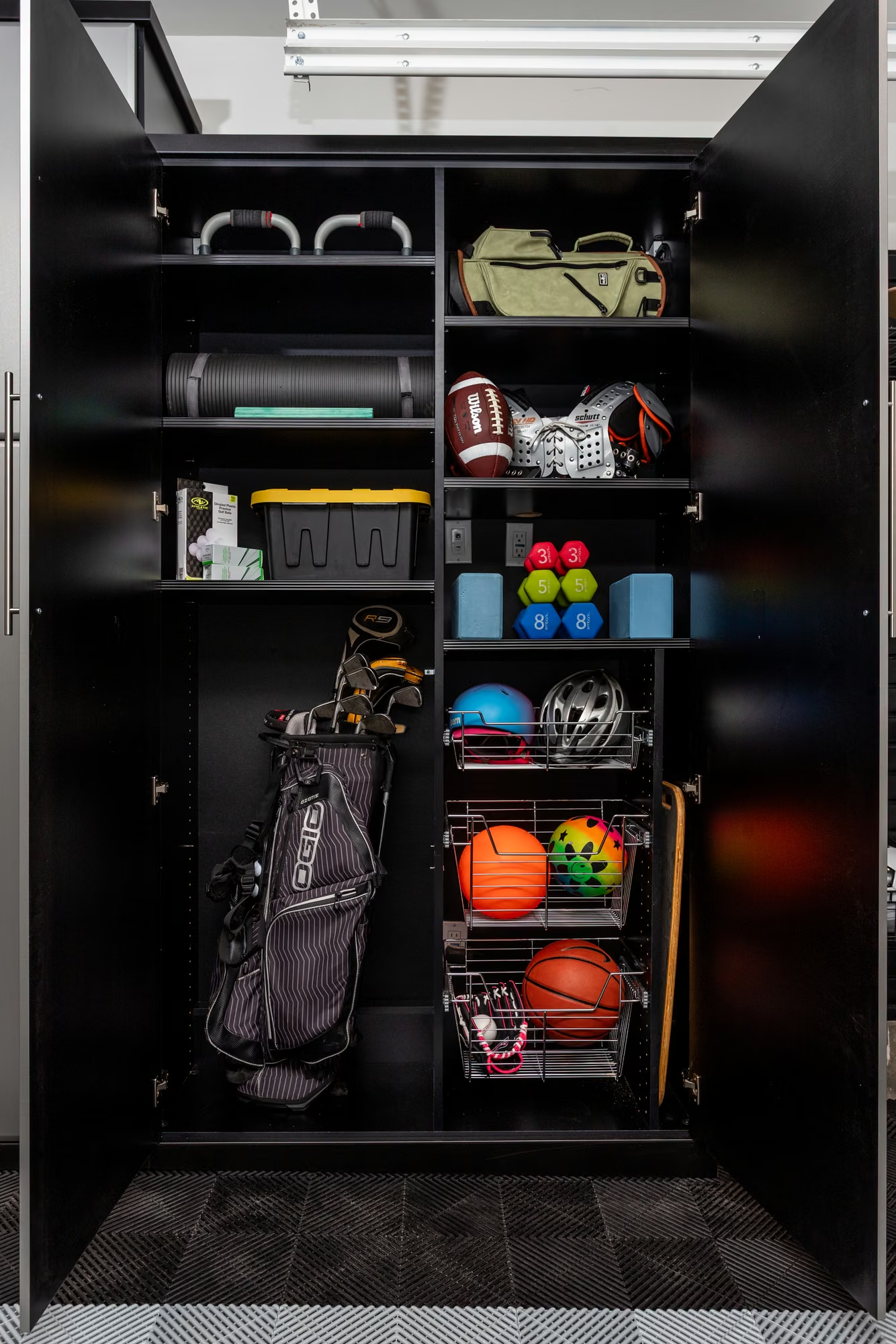
Open cubbies sized for golf bags (roughly 10 by 10 inches) keep clubs upright and accessible instead of leaning against a wall and jamming the garage door track.
15. Camping Gear Grab-and-Go Bins
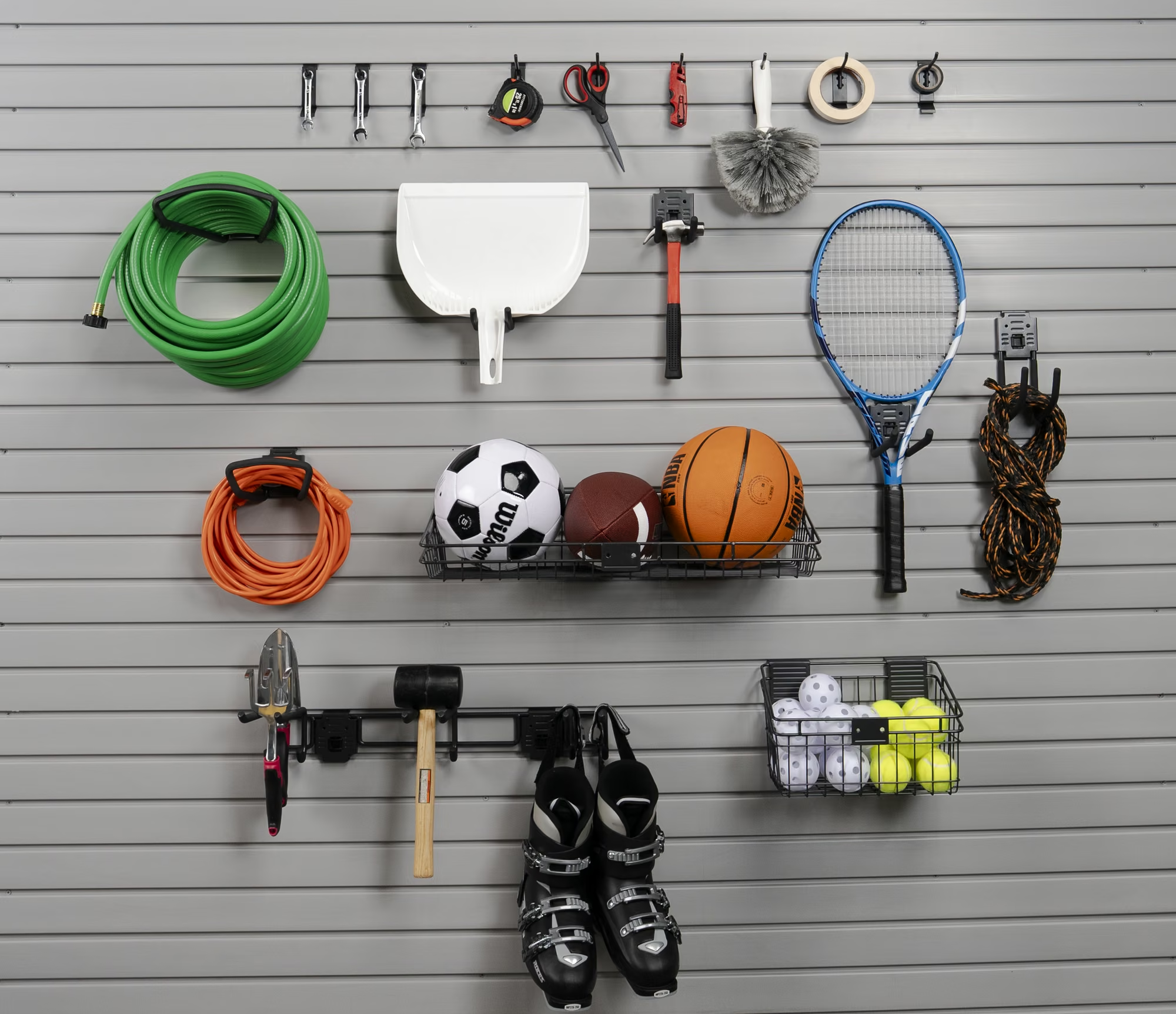
Group tents, sleeping bags, and camp chairs into a labeled bin cluster near the door you exit from. When a weekend trip is a spontaneous decision, gear that's scattered across three shelves costs you an hour you don't have.
16. Pool Float and Patio Storage
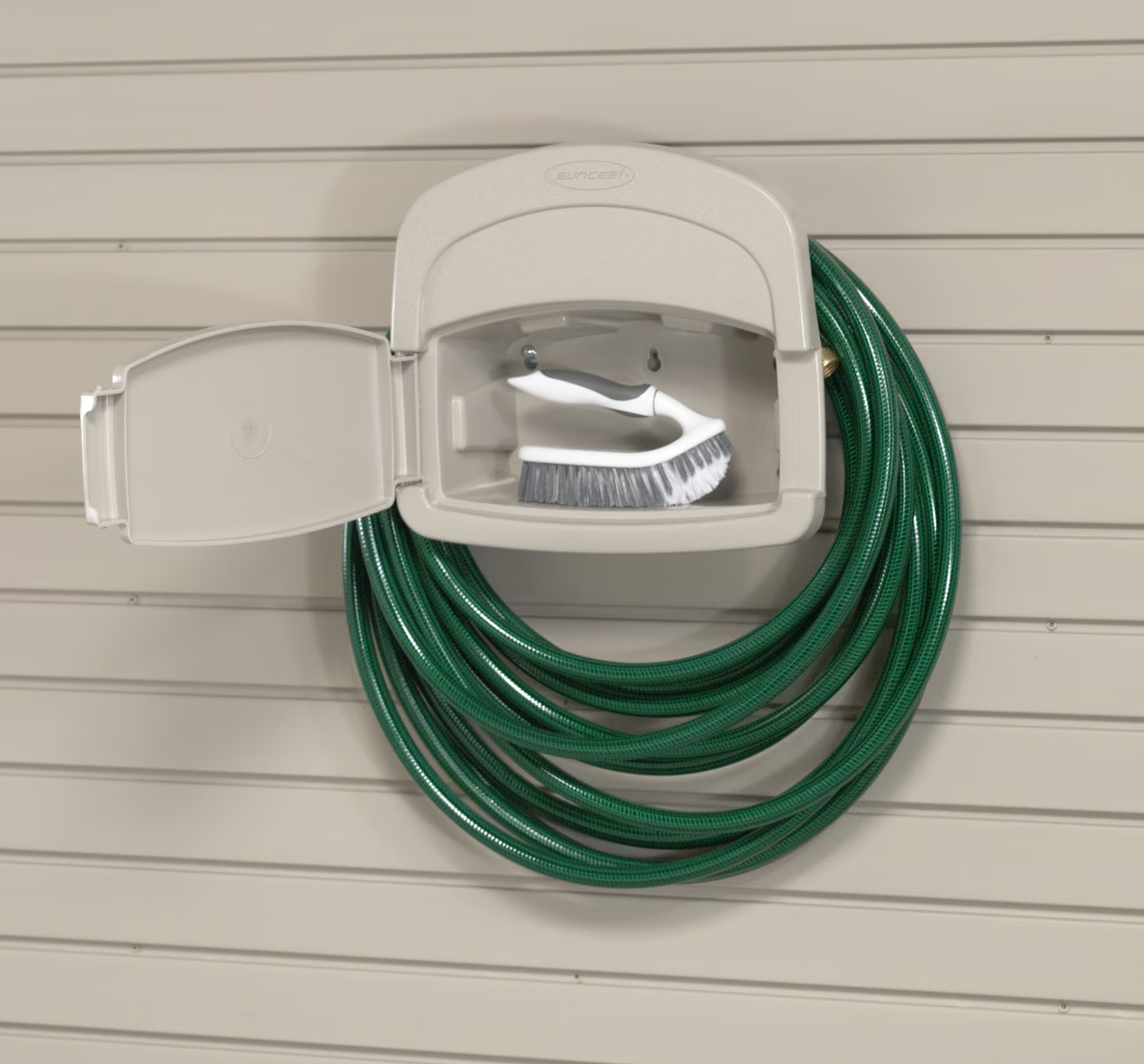
Pool noodles, floats, and folding chairs take up way more room than their weight justifies, practically a full shelf for maybe five pounds of actual stuff. A simple net hammock or overhead bin handles the bulk without spending prime wall space on it.
17. Vertical Bike Hooks
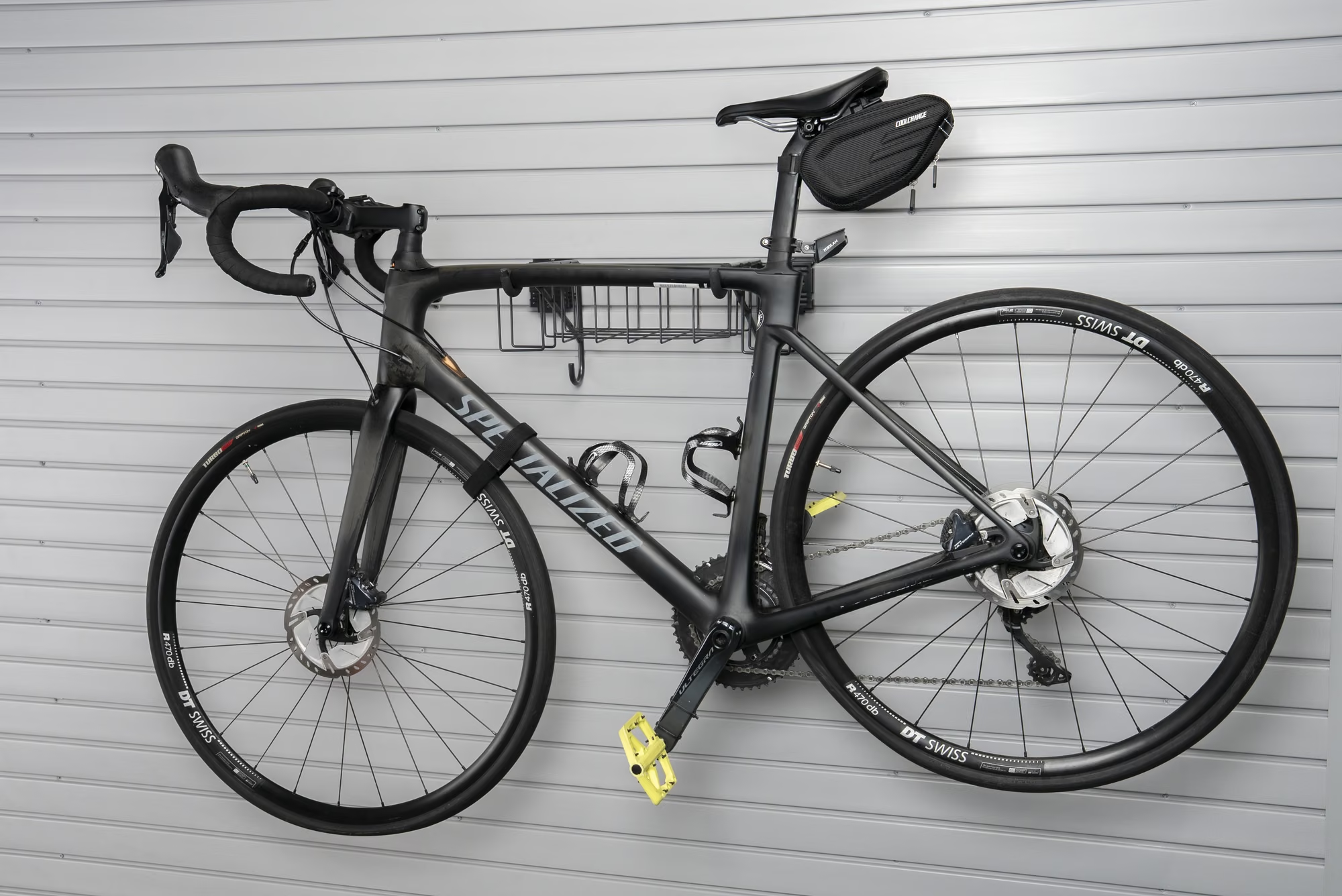
Wheel-mounted hooks hang bikes vertically against the wall, and a 4-foot run of wall can typically hold three to four bikes.
18. A Dedicated E-Bike Charging Nook
E-bikes need a real outlet, a shelf for the charger, and clearance to keep the battery away from anything flammable. It's a small build-out that's become one of the most-requested additions in California garages.
19. Labeled Holiday and Decor Bins
Uniform, labeled bins on an overhead rack beat a pile of boxes marked "MISC" and "XMAS???" in someone's questionable handwriting. It's a twenty-minute setup that saves an hour every holiday season, instead of shaking a box on a stepladder to guess what's inside. If you're applying the same logic inside the house, our closet organization ideas guide covers the same system for reach-ins and walk-ins.
20. Off-Season Wardrobe and Linen Overflow
When a closet runs out of room, the garage can pick up the overflow, as long as it's in a sealed cabinet and not an open bin. Cedar-lined or sealed cabinet storage keeps moths and dust away from anything you're not wearing this season.
California Garage Storage: Desert Climate and Outdoor Lifestyle
Here's the part every national "garage organization" list skips: California garages aren't a bonus room. For most California homes, there's no basement and no attic worth the ladder, so the garage ends up as the only real utility storage space in the house.
21. Open Shelving Instead of Sealed Cabinets for Everyday Gear
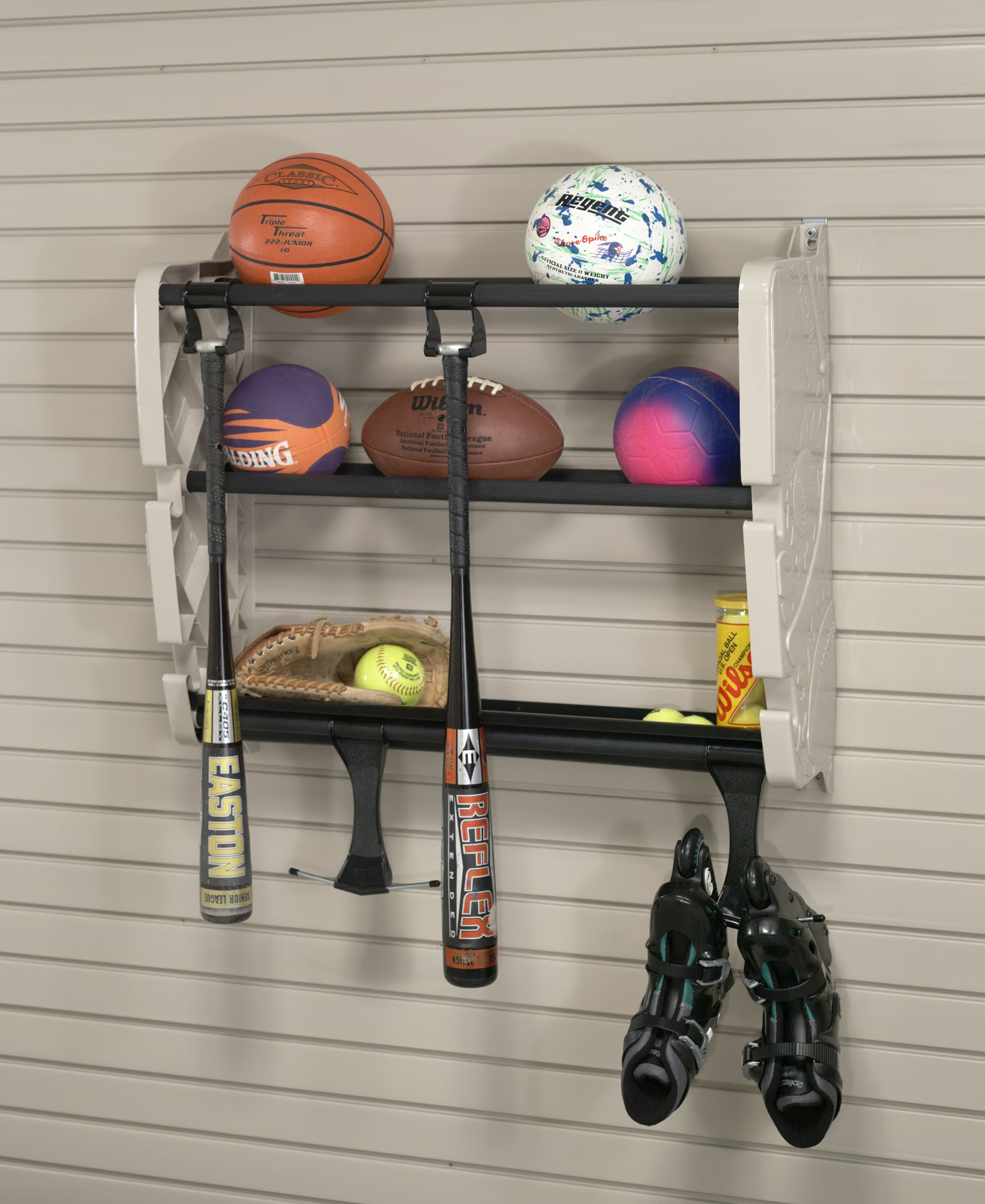
In humid climates, sealed cabinets protect against moisture and warping. California's dry air flips that logic for a lot of items: open, ventilated shelving actually works better for things like sports gear and coolers, since moisture and mildew are far less of a risk here.
22. Surfboard and Paddleboard Wall Racks
Padded horizontal or vertical racks, sized for boards up to 9 or 10 feet, keep boards off the floor. Anyone within an hour of the coast knows a leaned board is one bumped car door away from a repair bill.
23. Kayak and SUP Ceiling Hoists
For lake and coastal households, a ceiling hoist rated for 100-plus pounds gets a kayak or paddleboard out of the way between weekend trips.
24. Seismic Strapping for Shelving and Overhead Storage
This one's non-negotiable in California: every wall-mounted shelf and overhead platform should be strapped or braced against seismic movement, anchored into studs or joists rather than drywall alone. It's a five-minute step that prevents a genuinely dangerous outcome.
25. Ventilated Storage for Fire-Season Fuel and Propane
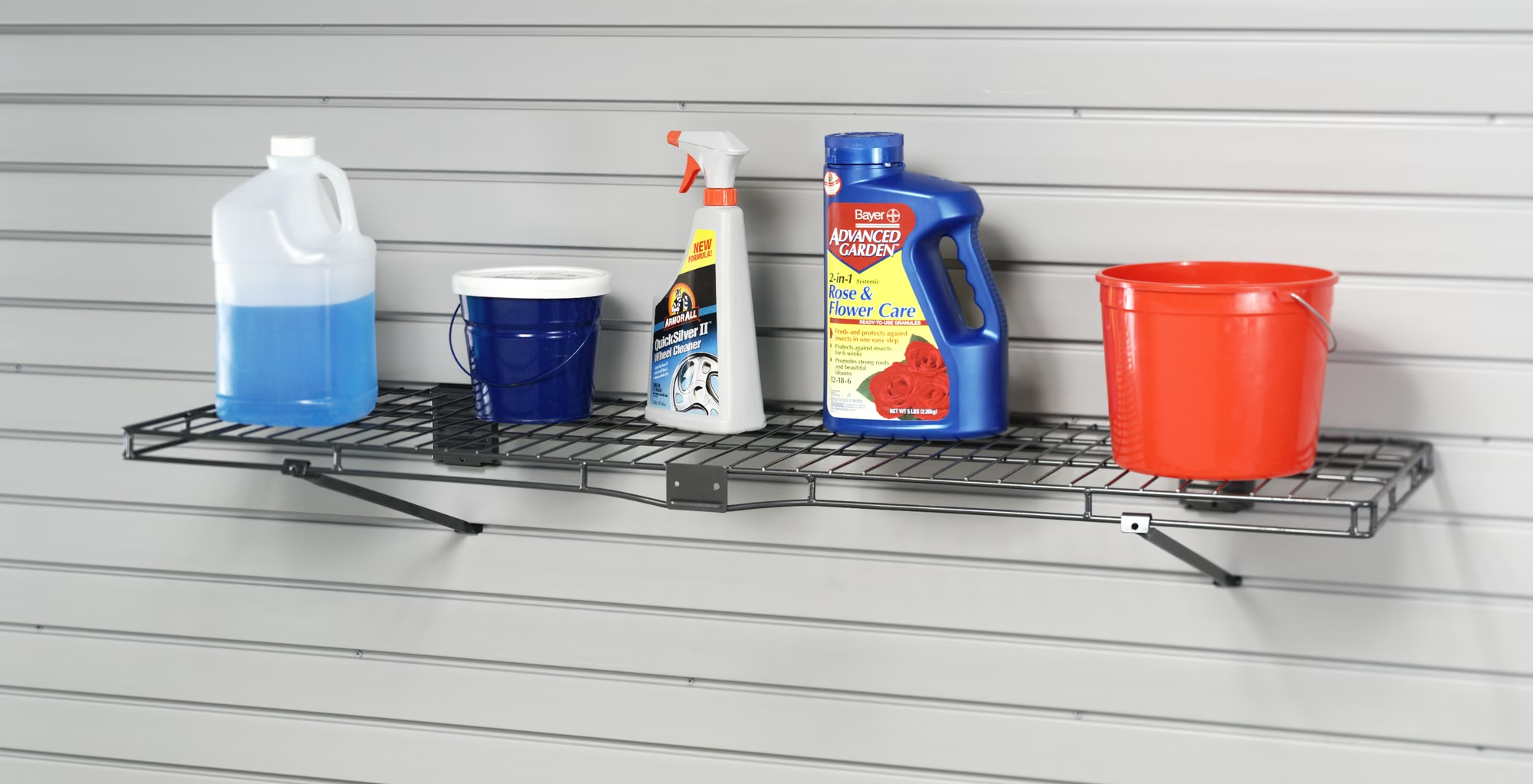
Gas cans, propane tanks, and other flammables belong in a ventilated metal cabinet, positioned away from water heaters and any ignition source, a detail that matters most in California's fire-prone counties.
26. Heat-Stable Finishes for Desert and Inland Valley Garages
Inland and desert garages can swing from the 40s to well over 110 degrees Fahrenheit across a single day. Powder-coated steel cabinets hold up to that range far better than raw laminate, which can delaminate over time.
27. Primary Storage Systems, Not "Overflow" Systems
Because there's no basement to fall back on, a California garage system needs to be built as your primary storage, not a catch-all. That means real capacity planning: cabinets, overhead, and wall storage sized for what the house doesn't have room for.
When Is a Custom Garage System the Right Answer?
A custom system earns its keep once patchwork fixes top out: wire shelving sagging, a car that hasn't parked inside in years. Here's how to know you're there, and what a real custom build includes.
28. Know the Signs You've Outgrown Off-the-Shelf Shelving
Wire shelving sagging under paint cans, bins marked "temporary" that have held the same spot for two Christmases, a car that hasn't parked inside since gas was under $3 a gallon: these are the tells that big-box fixes have hit their ceiling. Time for a system actually built for the space you have.
29. Understand What a Custom-Designed System Actually Includes
A real custom garage system starts with a measured layout of your space, parking envelope included, then a 3D design and cabinetry built to fit, with most installs finishing in a day.
30. Start With a Free Design Consultation
Every Closet World system is designed and manufactured in California, built to handle the heat swings, seismic code, and outdoor-gear lifestyle this state actually has. Book your FREE in-home design consultation and see exactly what fits, no pressure, just a plan built around the garage you own. Browse garage cabinets or explore a full custom garage system to get started.
Quick Answer: How Much of My Garage Can I Turn Into Storage and Still Park?
Most two-car garages can turn 60 to 70 percent of their wall and ceiling area into usable storage without losing an inch of the parking envelope, because well-designed systems max out at 24 inches deep and stay off the floor. The real parking-space killer is floor-standing shelving placed where a car door needs to swing.
Ready to stop parking in the driveway? Book your FREE in-home design consultation and we'll build a layout around the garage (and the cars) you actually have. Your car gets to come home. The neighbors will just have to find something else to speculate about.